How to Install Landscape Fabric for Weed Control (So It Actually Works Long-Term)
By Ashley Chalmers | Published on July 28, 2026
Key Takeaways
- Landscape fabric can be a strong weed-control tool only when the site is prepped correctly, seams are overlapped, and the fabric is covered (UV exposure and dirt buildup are what ruin most installs).
- Fabric is best used under gravel, rock, and permanent beds (shrubs/perennials). It’s usually a poor choice for vegetable gardens or areas you plan to dig and amend often.
- Expect some weeds eventually most “fabric weeds” sprout in windblown dust and decomposed mulch on top. The long-term win is preventing weeds from rooting into the soil below.
In This Article
What Landscape Fabric Does and What It Doesn’t
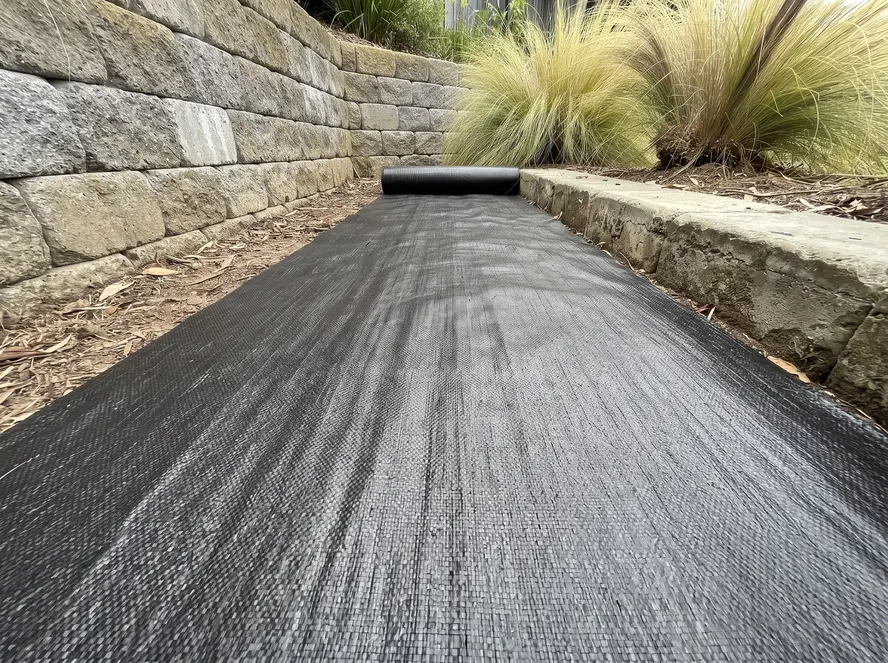
Landscape fabric works by blocking light at the soil surface. Without light, many weed seeds can’t germinate successfully, and existing weeds struggle to keep growing.
But fabric is not magic :
- It won’t kill established weeds with deep roots unless you remove them first.
- It won’t stop weeds that sprout in debris that collects on top over time.
- It can reduce how easily water enters the soil if you use thick mulch layers, fine dust clogs the pores, or the soil is already compacted.
Think of fabric as a physical system: prep + overlap + secure + cover + maintain.
Where Fabric Works Best (and Where to Avoid It)
Best uses
- Under gravel/stone paths and patios (it also helps separate stone from soil)
- Around shrubs and perennial beds where you won’t dig often
- Under raised planters or decorative rock to reduce weeds pushing up through
Usually avoid (or choose alternatives)
- Vegetable gardens : you’ll want to add compost, cultivate, and replant fabric gets in the way and can create messy seams and holes.
- Beds you plan to redesign often : fabric removal later can be frustrating.
- Areas with aggressive spreading weeds (bindweed, bermudagrass, etc.) unless you combine fabric with strong edge control and thorough removal first.
Good alternative for many garden beds : overlapping cardboard + a thick organic mulch layer (biodegradable and easier to refresh).
Choosing the Right Fabric : Woven vs Nonwoven vs “Plastic”
Not all weed barriers behave the same.
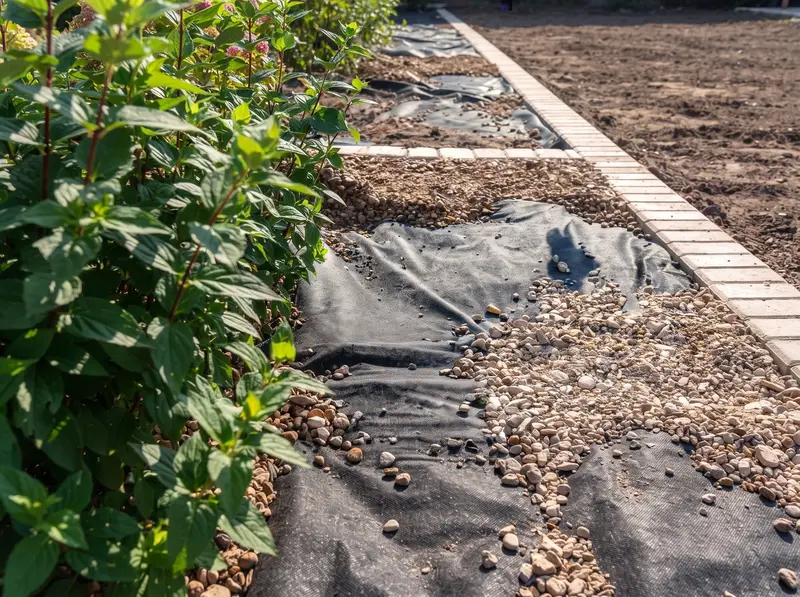
Woven landscape fabric (common “weed barrier”)
- Strong, tear-resistant
- Good for general landscape beds and many gravel installs
- Can fray at cut edges (seal with overlap and cover)
Nonwoven geotextile (often used under gravel)
- Excellent at soil separation and drainage under stone
- Typically tougher for paths and hardscape applications
- Often the best choice where the main job is “keep gravel from sinking into soil” and reduce weeds
Plastic sheeting (not fabric)
- Blocks water and air; can create soggy, unhealthy soil
- Tears and degrades; problems show up later
- Better reserved for specialized uses (like soil solarization), not permanent landscape weed control
What to look for in quality fabric
- UV stabilization (still cover it—UV eventually wins)
- Strong weave/weight (thin fabric tears during installation and weeding)
- Enough width to reduce seams (seams are where weeds sneak through)
Tools & Materials
- Landscape fabric (woven or geotextile, depending on use)
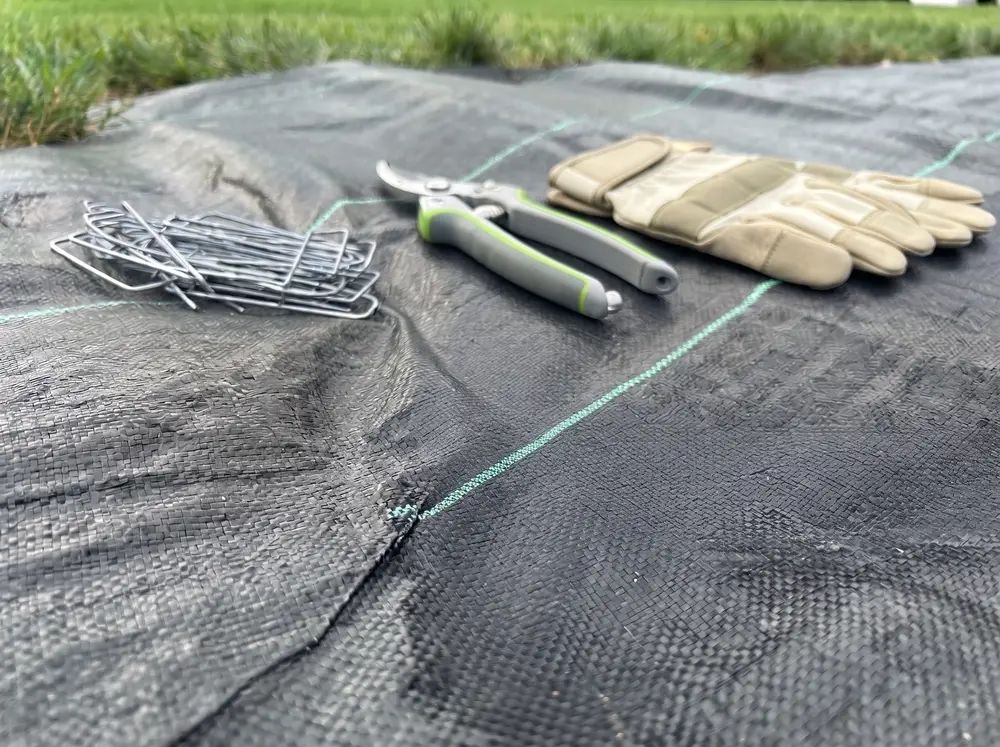
- Fabric staples/pins (U-shaped) or anchoring nails for hard ground
- Utility knife or sharp scissors
- Steel rake + shovel/hoe
- Optional: edging material (metal/plastic/stone) for clean borders
- Mulch or gravel/stone (your top layer)
- Marker chalk or spray paint (for layout)
- Work gloves
Step-by-Step : Install Landscape Fabric the Pro Way
Step 1 : Remove existing weeds and roots (don’t skip)
Pull/dig weeds thoroughly, especially :
- grasses with runners
- weeds with thick taproots
- any plant that resprouts from fragments
If you bury living weeds under fabric, you’re often just delaying the problem.
Step 2 : Grade, smooth, and clear sharp debris
Rake the surface flat and remove :
- stones with sharp edges
- sticks
- old roots and clumps
A smooth surface prevents punctures and stops fabric from “bridging” over dips (where water can pool).
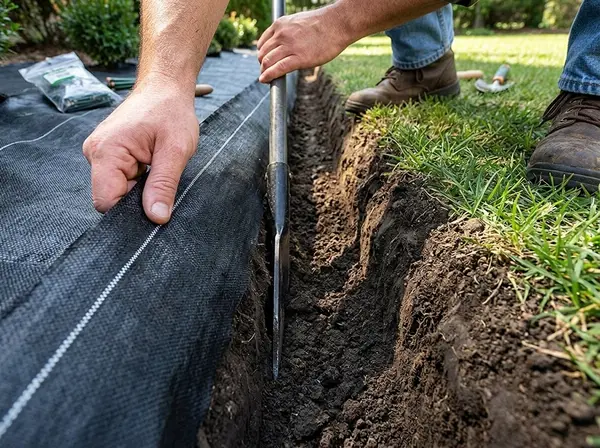
Step 3 : Decide on edging before the fabric goes down
A clean edge makes a huge difference :
- It prevents mulch/gravel from sliding off
- It reduces gaps where weeds enter from the sides
- It keeps the install looking intentional
Install edging now if you’re using it.
Step 4 : Lay fabric in the direction that minimizes seams
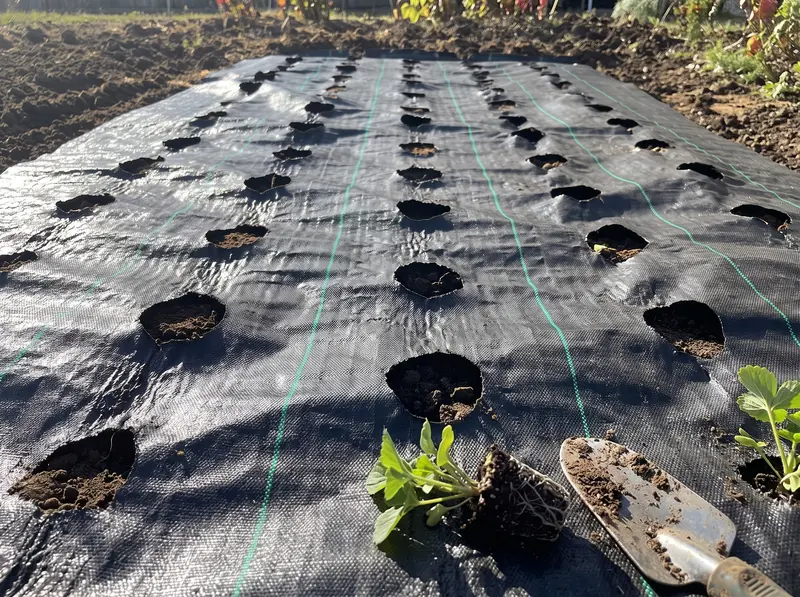
Roll out fabric so you use the fewest pieces possible. More seams = more weak points.
Overlap rule : overlap seams generously (aim for several inches; more is better in weedy areas).
On slopes, overlap so the upper layer laps over the lower layer like shingles, helping water flow over seams.
Step 5 : Secure fabric tightly (especially edges and seams)
Pin the fabric so it’s snug to the soil :
- Place staples along edges and seams first
- Add staples in the field so the fabric can’t billow or shift
- Use extra pins on slopes, corners, and high-traffic spots
If the fabric moves, mulch/gravel shifts, light reaches soil, and weeds find openings.
Step 6 : Cut only what you must
Every cut is a potential weed entry point. Keep openings minimal and purposeful.
Planting Through Fabric (Without Creating Weed Gateways)
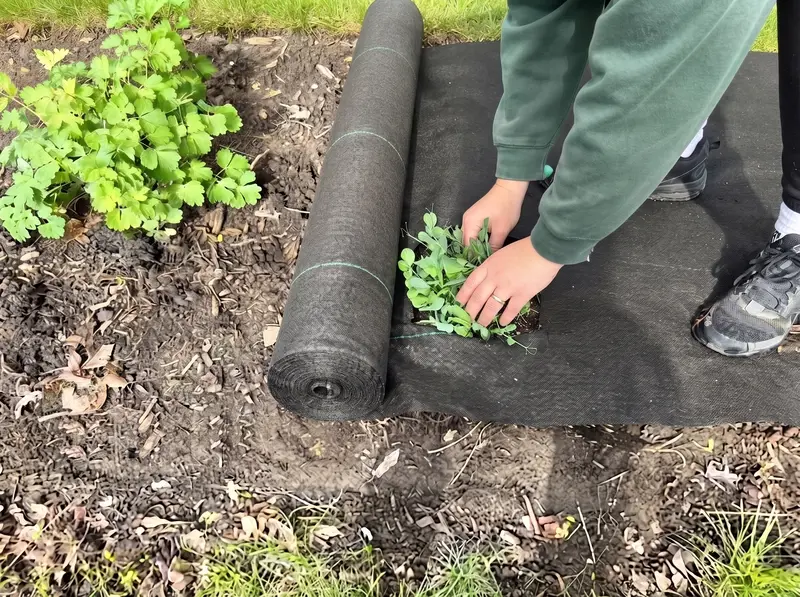
If you’re planting shrubs/perennials through fabric :
- Mark plant locations before cutting.
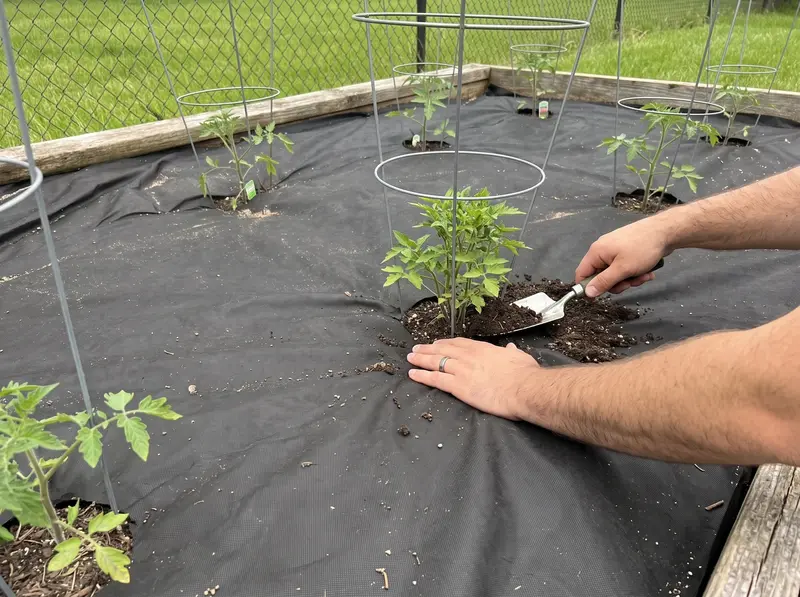
- Cut a small X or slit just large enough to dig.
- Pull flaps back, dig the hole, and keep excavated soil off the fabric (soil on top = future weeds).
- Plant, backfill, firm lightly, then fold flaps back tight around the stem base.
Important : Don’t leave wide open circles around plants. Those open gaps turn into perfect weed nurseries.
Watering note : If you rely on rainfall, monitor plants closely at first. Drip irrigation under fabric is often the most reliable setup for planted beds.
Mulch and Gravel Depth : How Much to Use Over Fabric
Fabric should be covered. Cover does three jobs :
- protects fabric from UV
- weighs it down
- blocks light that sneaks through seams
Over fabric + organic mulch
Use a moderate layer. Too thick can turn into “new soil” as it decomposes, and weeds will sprout on top.
Over fabric + gravel/stone
Use enough gravel to fully cover and hold the fabric in place. For paths, a deeper layer usually performs better than a skim coat.
Maintenance : Keeping Fabric Areas Weed-Free for Years
Landscape fabric reduces weeds, but it doesn’t eliminate maintenance.
Do this a few times per year:
- Blow or rake off leaves and debris before they break down into soil
- Spot-pull weeds while they’re small (they usually pull easily because they root shallowly in top debris)
- Refresh mulch/gravel where thin spots appear
- Check edges and seams for lift, then re-pin if needed
The number-one reason fabric “fails” is simple : dirt builds up on top, and weeds grow in that dirt.
Troubleshooting
Weeds are growing everywhere on top of the fabric
Cause : mulch decomposed into soil, dust accumulation, or not enough cover thickness.
Fix : rake off contaminated top layer, add fresh mulch/gravel, and keep debris from building up.
Weeds are coming through seams
Cause : overlap too small or seam lifted.
Fix : re-lay seam with a larger overlap, pin tightly, and cover well.
Fabric is tearing during installation
Cause : fabric too thin, ground not cleared, or pulling fabric too tight over rocks.
Fix : smooth the soil, choose heavier fabric, and avoid dragging it across sharp ground.
Water is running off instead of soaking in
Cause : compacted soil beneath, clogged fabric pores, or too-fine top material creating a crust.
Fix : address compaction before installation, use appropriate top cover, and avoid letting fine sediment seal the surface.
FAQs
Do I have to remove weeds before laying landscape fabric ?
Yes. Fabric works best as prevention, not as a cover-up for established weeds with strong roots.
Is landscape fabric good under mulch ?
It can be, but mulch decomposes into soil over time. If you don’t maintain it (remove debris, refresh mulch), weeds will grow in the “new soil” layer on top.
Can I put landscape fabric under gravel ?
Yes this is one of the best uses, especially when you want to separate stone from soil and reduce weed growth.
Does landscape fabric stop weeds forever ?
No. It strongly reduces weeds from below, but weeds can still sprout from windblown seeds in debris on top. Maintenance is part of the system.