The Smartest Time to Water Your Garden (Plus a Simple Schedule That Works in Any Climate)
Key Takeaways
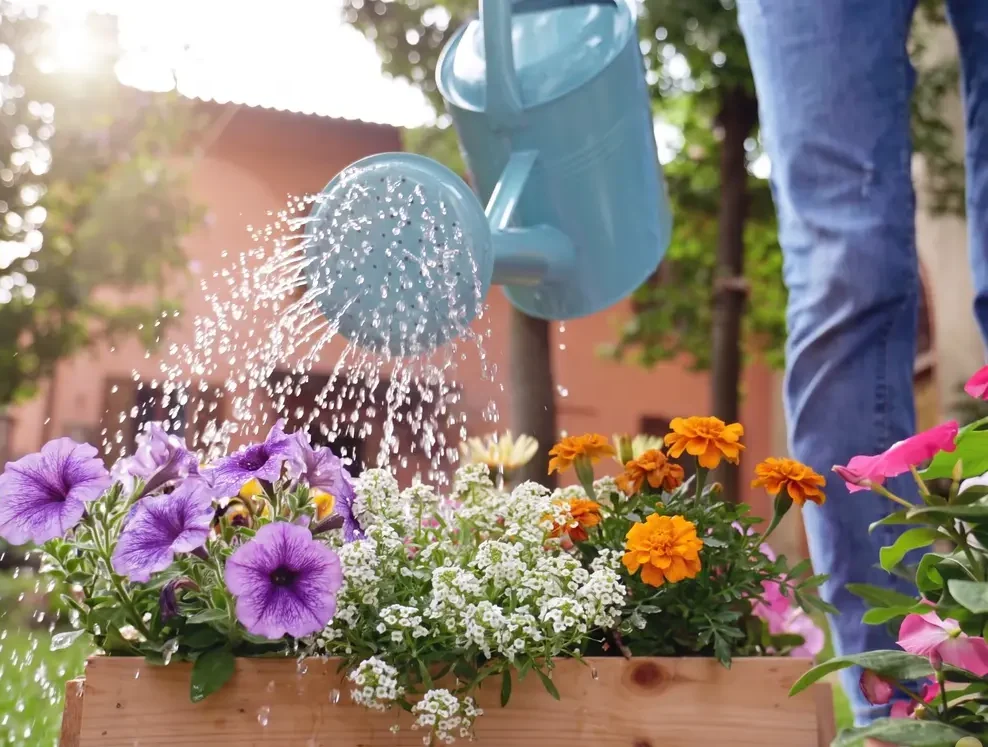
- Early morning watering is best for most gardens because plants hydrate before heat builds and foliage dries faster, reducing disease risk.
- The goal isn’t “water often” it’s water deeply enough to reach active roots, then let the soil breathe.
- Your ideal schedule depends on soil type, weather, plant stage, and planting method but you can dial it in quickly with a simple soil check and a one-time sprinkler/drip “calibration.”
In This Article
The Best Time of Day to Water Your Garden
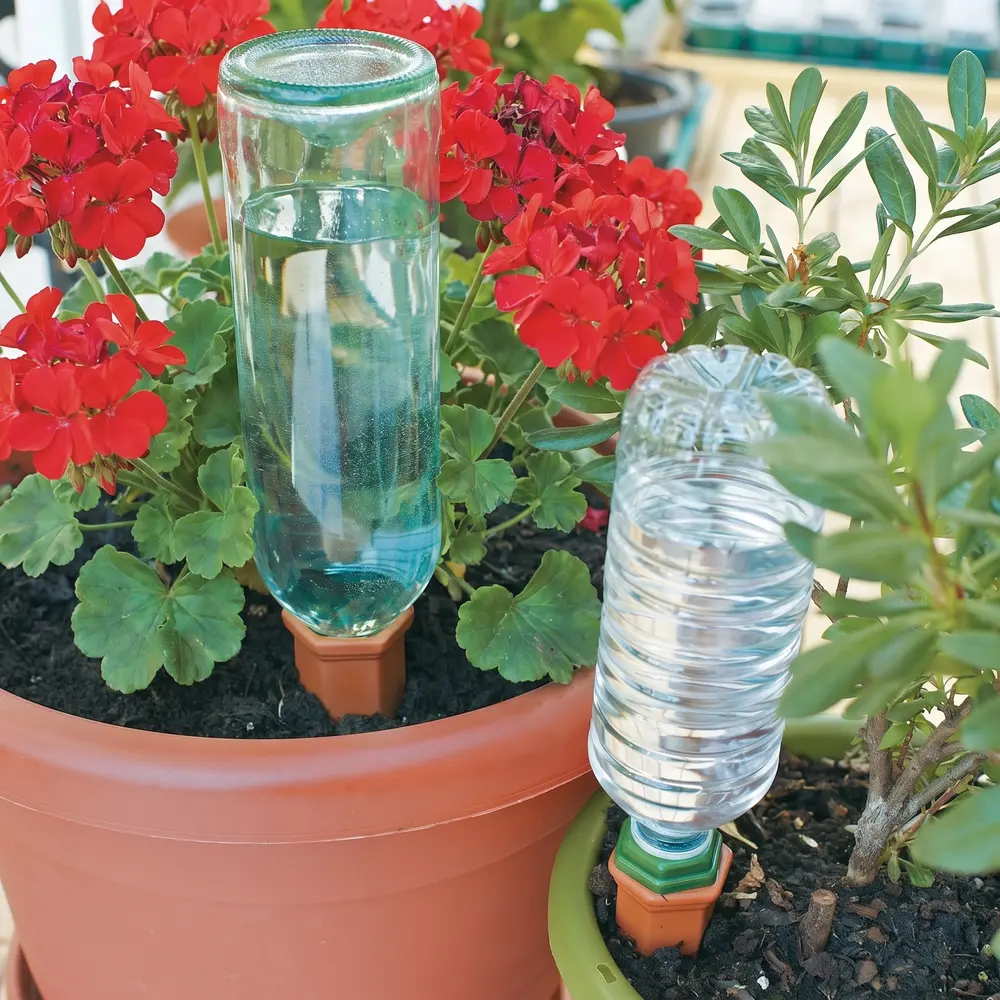
Best overall: Early morning (roughly 5 a.m. to 9 a.m.)
This is the sweet spot because:
- Cooler temps mean less evaporation
- Leaves dry quickly, which helps prevent fungal issues
- Plants enter the warm part of the day already hydrated, improving stress tolerance
Second-best: Late afternoon (only in specific conditions)
Late afternoon can work if:
- Your climate is very hot and dry
- You water the soil, not the foliage
- Leaves have time to dry before nightfall
Usually avoid: Late evening or night
In humid areas or dense plantings, watering late can keep foliage wet for hours, increasing risk of:
- Powdery mildew
- Leaf spot diseases
- Rot in crowns of plants (especially strawberries and some ornamentals)
Worst time: Midday
Midday watering wastes water to evaporation and can leave the surface wet but root zones dry—encouraging shallow roots.
The “Right Amount” Matters More Than Frequency
A strong watering routine is built on two principles:
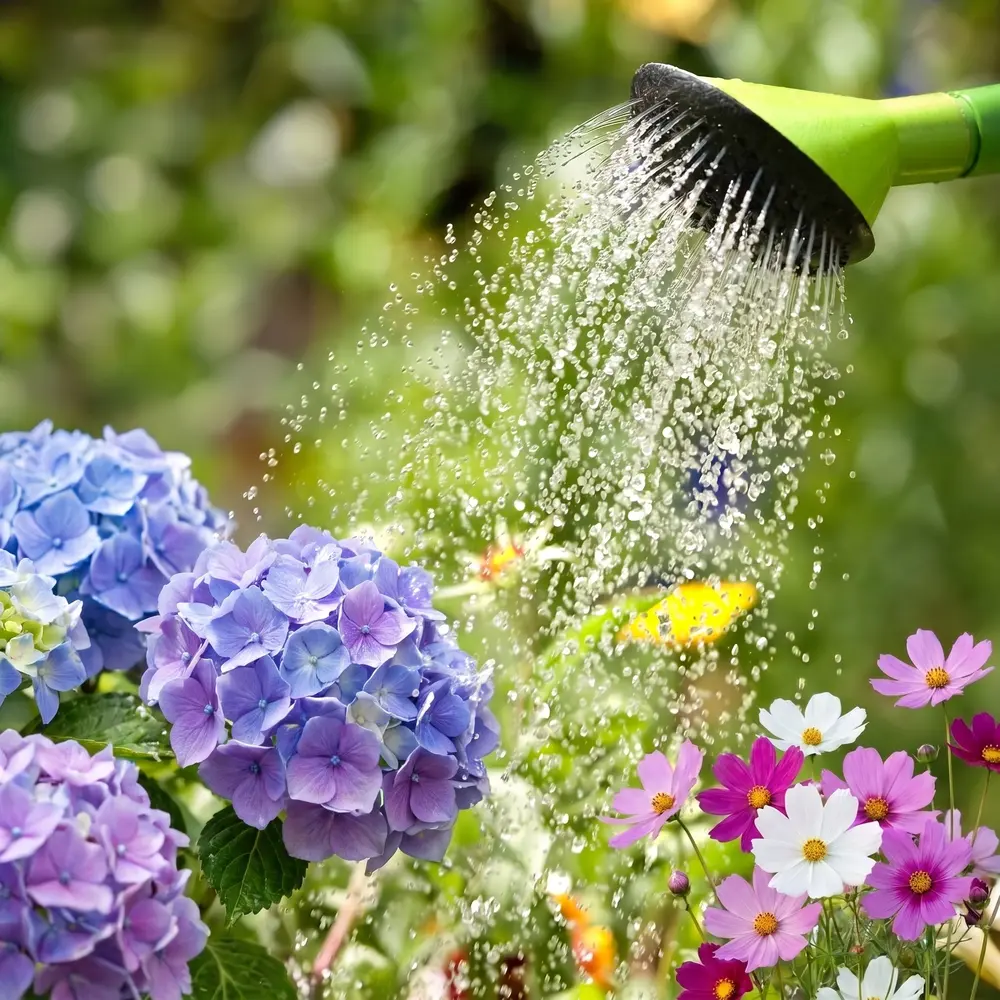
1) Water to the root zone (depth > frequency)
Most garden plants do best when moisture reaches:
- 6 inches deep for vegetables and annuals
- 8–12 inches for shrubs
- 12–18 inches for young trees (more for mature trees, applied slowly)
If you only wet the top inch, roots stay near the surface—and plants become more drought-sensitive.
2) Aim for “deep soak, then dry-down”
After a deep watering, the top layer can dry a bit—this oxygen exchange is healthy for roots. Constantly soggy soil is where root problems start.
How to Build Your Watering Schedule (5-minute method)
Use this process once, then you’ll rarely guess again.
Step 1: Do a simple soil moisture check
Use one of these:
- Finger test: If the top 2 inches are dry, many garden beds are ready.
- Trowel test: Dig a small hole 4–6 inches down. Soil should feel cool and slightly moist—not muddy, not dusty.
- Wooden skewer/chopstick (great for containers): Insert, wait 10 seconds, pull out—moist soil clings.
Step 2: Account for the “big 4” schedule drivers
- Heat + wind = faster drying (wind is often more drying than sun)
- Soil type
- Sandy: drains fast → water more often, shorter intervals may be needed
- Clay: holds water → water less often, but water slowly to avoid runoff
- Loam: the easiest—holds moisture while still draining well
- Plant stage
- Seedlings/transplants need steadier moisture while establishing
- Established plants prefer deeper, less frequent watering
- Where it’s planted
- Containers/raised beds dry faster than in-ground beds
Step 3 (high value): Calibrate your watering output once
Sprinklers: Put a few straight-sided containers (like tuna cans) around the spray area and run the sprinkler for 15 minutes. Measure the water level and calculate how long it takes to deliver ½ inch or 1 inch.
Drip/soaker hoses: Check your system’s flow rate (often listed on packaging), then start with a long, slow soak and adjust based on the soil-depth check the next day.
How Often to Water: Practical Guidelines (use as a starting point)
These are starting ranges—your soil test is the final answer.
Vegetable gardens (in-ground)
- Most weeks: 2–3 deep waterings per week
- Heat waves / fruiting (tomatoes, peppers, cucumbers): 3–4 times per week
Tip: Inconsistent watering is a major cause of blossom end rot and cracked fruit.
Flower beds (annuals/perennials)
- Established: 1–2 times per week deep watering
- New plantings (first 2–3 weeks): smaller, more frequent waterings until roots expand
Shrubs
- Established: about once per week (deep) in dry weather
- New shrubs: 2 times per week for the first month, then taper
Trees
- Newly planted trees: slow deep watering 1–2 times per week (more in heat)
- Focus on the root zone around the tree, not the trunk base.
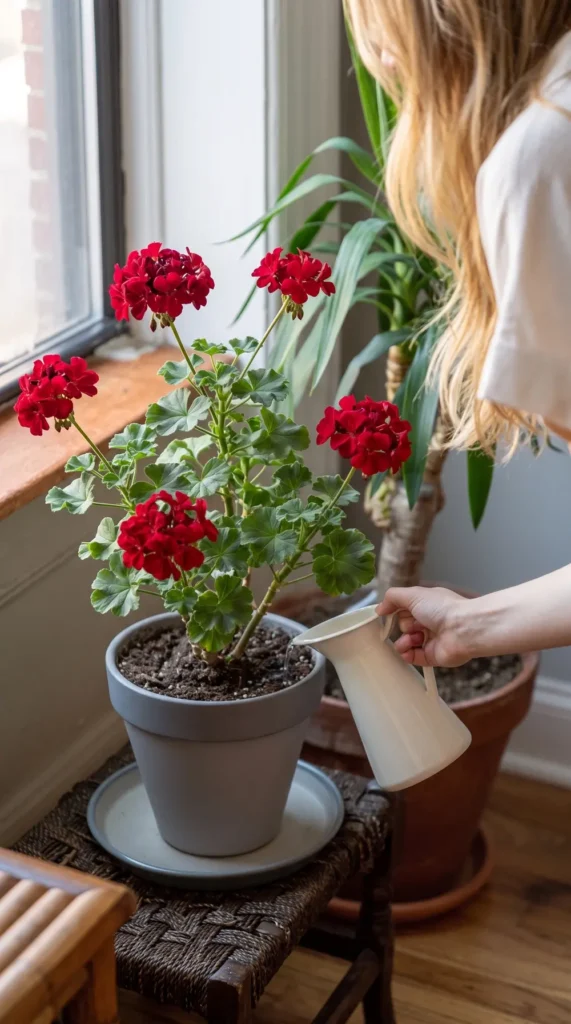
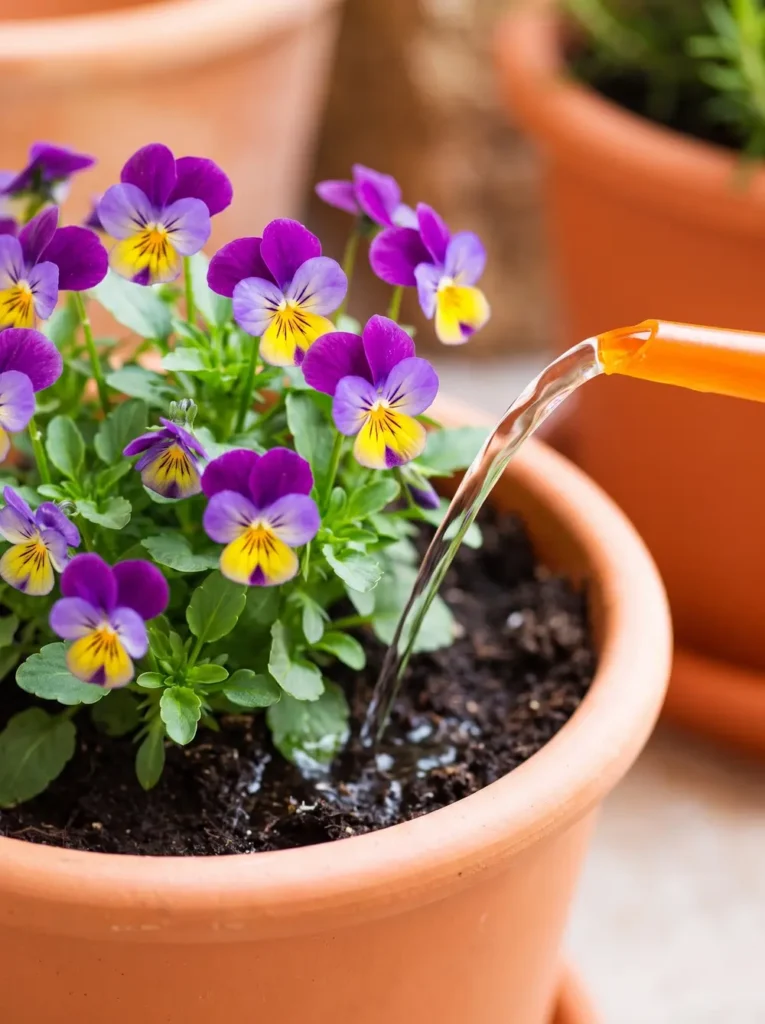
Containers and hanging baskets
- Mild weather: every 1–3 days
- Hot, windy weather: often daily (sometimes twice daily for small pots)
Tip: Containers fail from underwatering more than almost anything else because they have limited soil volume.
Make Watering Easier (and more effective)
- Mulch 2–3 inches deep (kept a couple inches away from stems): reduces evaporation dramatically and stabilizes soil temperature
- Water at the base, not over the leaves (especially for tomatoes, squash, roses)
- Use drip irrigation for beds: more water reaches roots, less is lost to air
- Group plants by water needs (a “hydrozoning” trick): drought-tolerant plants together, thirstier plants together
- Add organic matter (compost): helps sandy soil hold moisture and helps clay soil drain better
- Use timers so early-morning watering happens even when you’re busy
Signs You’re Watering Too Much (or Not Enough)
Overwatering signs
- Yellowing leaves + soft growth (not just “dry wilt”)
- Mushy stems near the soil line
- Fungus gnats hovering around damp soil (especially in containers)
- Musty odor or persistently soggy soil
- Slow growth despite “perfect” care
Underwatering signs
- Wilting during the morning (not just late afternoon heat droop)
- Dry, cracking soil; soil pulling away from pot edges
- Crispy leaf edges, leaf drop
- Small, bitter, or tough vegetables (plants are stressed)
FAQs
Is morning always best ?
For most gardens, yes. But in extremely hot, arid climates, a late-afternoon soil soak can help plants ride through heat—just avoid wetting leaves and don’t water so late that foliage stays damp overnight.
How much water does a garden need per week ?
A common baseline is about 1 inch per week from rain + irrigation, but heavy feeders (vegetables in peak growth) may need more, and drought-tolerant landscapes may need less. Measure rainfall and calibrate your sprinkler to avoid guessing.
Should I water every day ?
Daily watering often creates shallow roots—except for containers, new seedlings, or new transplants during establishment, and during extreme heat.