Yellow Plant Leaves, Explained : A Practical Troubleshooting Guide (and the Fix That Actually Works)
Key Takeaways
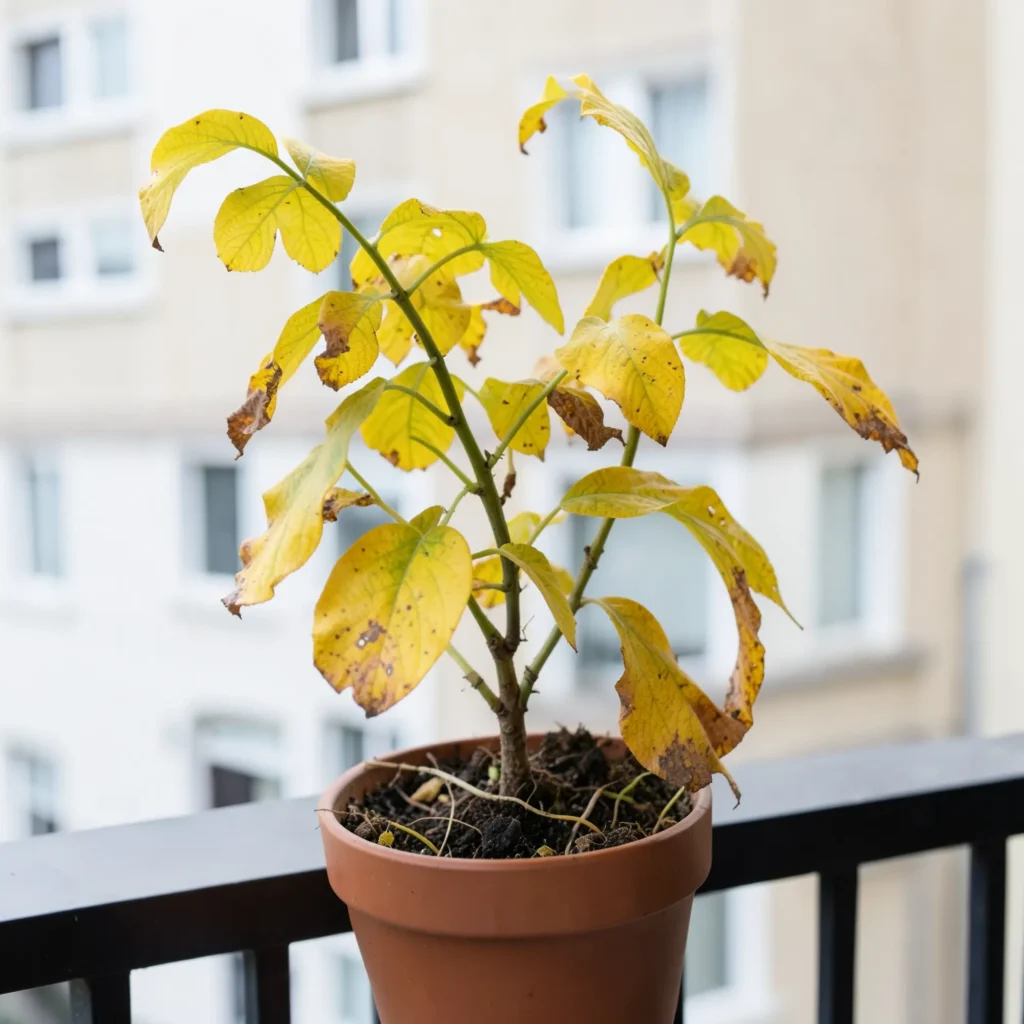
- Yellow leaves aren’t a diagnosis—they’re a symptom. The pattern of yellowing (old leaves vs. new leaves, between veins, edges, spots) is your quickest shortcut to the real cause.
- The most frequent culprits are watering + root problems, followed by light mismatch, nutrient/pH issues, and pests.
- Most plants recover well if you correct the stressor early—but yellow tissue usually won’t turn green again, so watch for healthy new growth as the real sign of recovery.
In This Article
First : Read the “Yellowing Pattern” (Your Built-In Clue System)
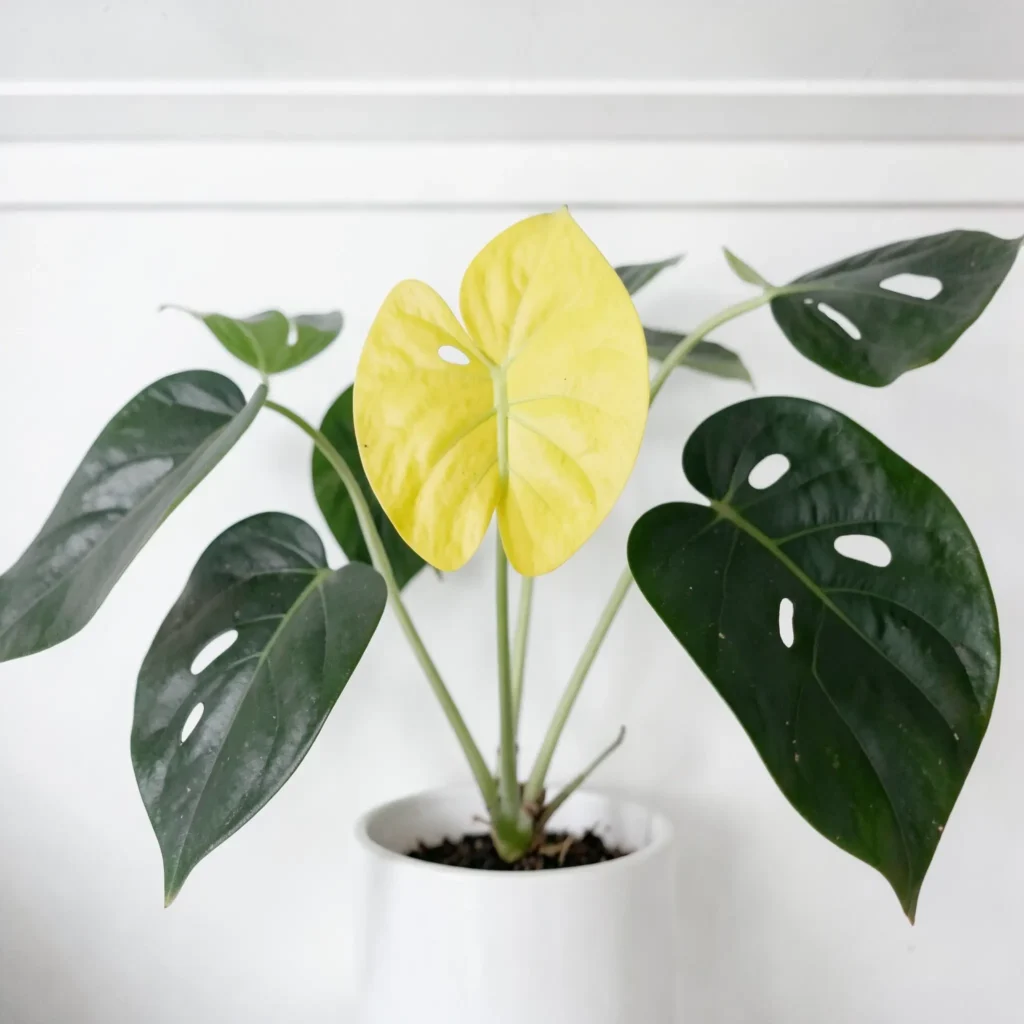
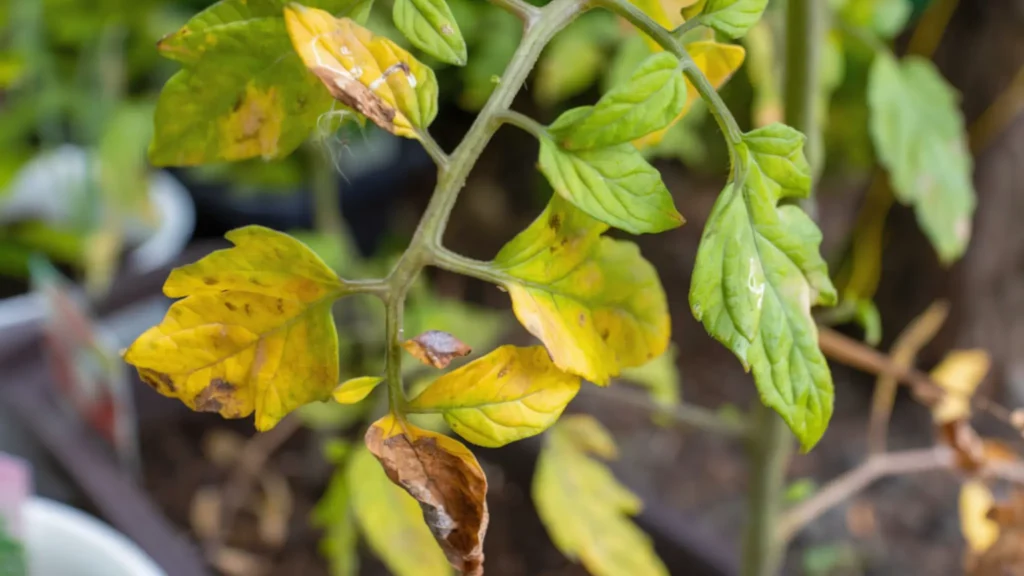
Before changing anything, look closely at which leaves are yellow and how they’re yellowing :
1) Older leaves (lower/inner leaves) turn yellow first
Often points to :
- Natural aging (especially if it’s only a few leaves)
- Underfeeding (nitrogen deficiency)
- Mild underwatering stress
- Root crowding (rootbound) reducing uptake
2) New leaves (top growth) turn yellow first
Often points to :
- Iron deficiency (very common in high-pH soil/water)
- Overwatering/root stress preventing nutrient uptake
- Cold damage to tender growth
3) Yellowing between veins (veins stay green)
Often points to :
- Magnesium deficiency (older leaves)
- Iron deficiency (new leaves)
- pH lockout (nutrients present but unavailable)
4) Yellow edges or crispy margins
Often points to :
- Salt buildup from fertilizer/hard water
- Irregular watering (soil swings from dry → soaked)
- Heat/wind stress (outdoor containers especially)
5) Yellow with spots, stippling, or webbing
Often points to :
- Pest feeding (spider mites, thrips, aphids)
- Leaf-spot diseases (fungal/bacterial)
The 9 Most Common Causes (and How to Confirm Each One)
1) Overwatering (the #1 cause for houseplants)
What it looks like
- Yellowing plus a “tired,” droopy look even though soil is wet
- Leaves may feel soft; growth slows
- Fungus gnats sometimes appear
Confirm it
- Soil stays wet for days
- Pot feels heavy
- Roots (if checked) are brown/black and may smell sour
Fix
- Pause watering; increase airflow and light (within plant limits)
- Ensure drainage holes exist
- If roots are rotting: trim dead roots and repot into fresh, airy mix
2) Underwatering (or inconsistent watering)
What it looks like
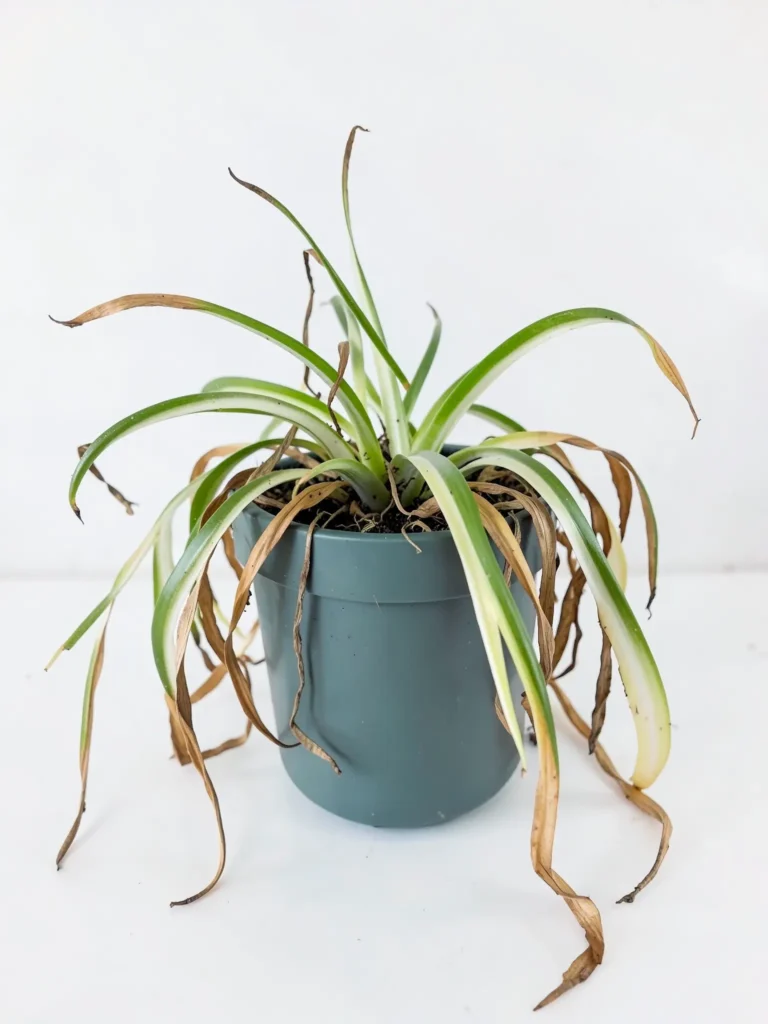
- Yellowing with dry, papery leaves; leaf drop
- Soil pulls away from pot edges; plant wilts then “bounces back” after watering
Confirm it
- Top 2–3 inches are dry (or entire pot is very light)
- Water runs straight through without soaking (hydrophobic soil)
Fix
- Rehydrate thoroughly: soak the pot 15–30 minutes, then drain
- Move to a consistent schedule based on soil dryness—not the calendar
3) Poor drainage / compacted soil (even if you water “correctly”)
What it looks like
- Persistent yellowing, slow growth, damp soil odor
- Water pools on top or drains too slowly
Confirm it
- Soil is dense and stays wet; roots circle tightly or look stressed
Fix
- Repot with a better mix (for many houseplants: add perlite/pumice + bark)
- Choose a pot size that matches the root ball (too large = stays wet longer)
4) Light mismatch (too little or too intense)
Too little light looks like
- Pale yellowing, leggy growth, slow drying soil
Too much light looks like - Bleached/yellow patches, scorching, crispy areas (especially near windows)
Confirm it
- Track sunlight for a day: direct sun hours change seasonally
- If soil never dries, light may be too low for the current watering routine
Fix
- Low light: move closer to window or add a grow light
- Too much: filter with a sheer curtain or move 1–3 feet back
5) Nitrogen deficiency (common in fast growers + outdoor beds)
What it looks like
- Older leaves yellow first; plant looks generally pale
Confirm it
- You haven’t fertilized in a long time, or soil is exhausted (containers especially)
Fix
- Feed lightly with a balanced fertilizer; don’t “double dose”
- For garden beds: add compost + a nitrogen source appropriate to your crop
6) Iron or magnesium deficiency (often a pH problem, not “lack of fertilizer”)
Iron deficiency
- New leaves turn yellow while veins stay green
Magnesium deficiency - Older leaves show interveinal yellowing first
Confirm it
- Hard water, alkaline soil, or high pH potting mixes can block uptake
- Common in citrus, gardenias, hibiscus, blueberries (blueberries prefer acidic soil)
Fix
- Check soil pH if possible
- Use chelated iron for iron chlorosis (follow label)
- Use Epsom salt cautiously for magnesium (only if you’re confident it’s magnesium)
7) Salt buildup from fertilizer or hard water
What it looks like
- Yellow tips/edges, crispy margins
- White crust on soil surface or pot rim
Confirm it
- Frequent fertilizing or very mineral-rich water
Fix
- Flush the pot: run clean water through for several minutes, let drain fully
- Reduce feeding strength (half-strength more often is safer than strong doses)
8) Pests (sap suckers cause yellowing fast)
What it looks like
- Stippling, tiny pale dots, curling, sticky residue, distorted new growth
- Fine webbing (spider mites) especially in dry indoor air
Confirm it
- Inspect undersides with a bright light; tap leaves over white paper
Fix
- Isolate plant
- Rinse foliage well
- Treat with insecticidal soap or horticultural oil repeatedly (eggs hatch later)
9) Temperature shock (cold drafts, heat spikes)
What it looks like
- Sudden yellowing after a move, shipping, cold night, AC/heat vent exposure
Confirm it
- Recent weather change or new placement near a draft
Fix
- Stabilize temperature; avoid vents and cold windows at night
- Don’t fertilize a stressed plant—support it with steady conditions first
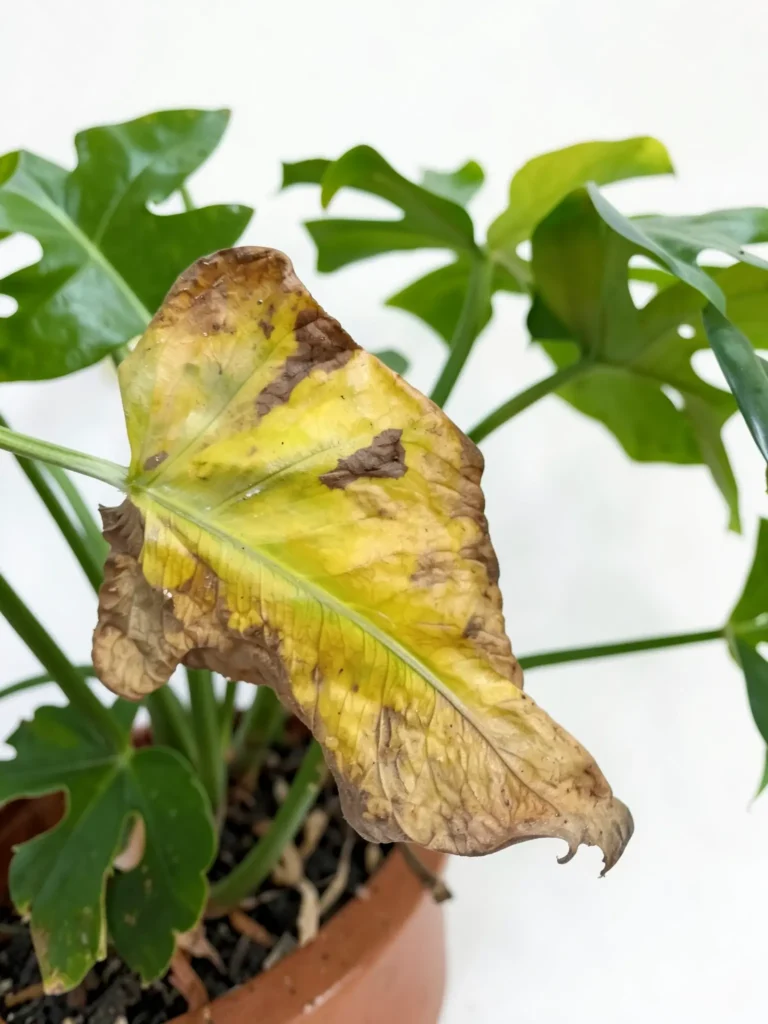
Step-by-Step Fix Plan (Do This in Order—No Guessing)
Step 1: Check soil moisture the right way
- Finger test is fine, but go deeper than the surface
- Use a chopstick/skewer: insert, wait 10 seconds, pull out—wet soil sticks
If wet: stop watering + increase light/airflow
If bone-dry: rehydrate fully (soak method)
Step 2: Inspect drainage and roots (the turning point for many plants)
If yellowing is spreading and watering seems “fine,” check:
- Drainage holes
- Pot size vs. root mass
- Root color and smell (healthy roots are firm, pale/tan; rotten roots are dark, mushy)
Repot only when necessary—but if rot is present, repotting is usually the rescue move.
Step 3: Verify light with real observations
Watch the plant’s actual sun exposure:
- Direct sun through glass can be intense
- Winter light is weaker; summer light is stronger and longer
Adjust placement gradually over several days to avoid shock.
Step 4: Feed only when the plant is stable
If the plant is actively stressed from overwatering, cold, or pests, fertilizing can worsen things.
Once conditions are stable and you see new growth, feed lightly.
Step 5: Remove the right leaves, the right way
- Use clean scissors/pruners
- Remove fully yellow leaves—they won’t photosynthesize effectively
- If a leaf is half-green, keep it for now unless it’s diseased (the plant can still use it)
When Yellow Leaves Are Permanent (and When They’re a Warning)
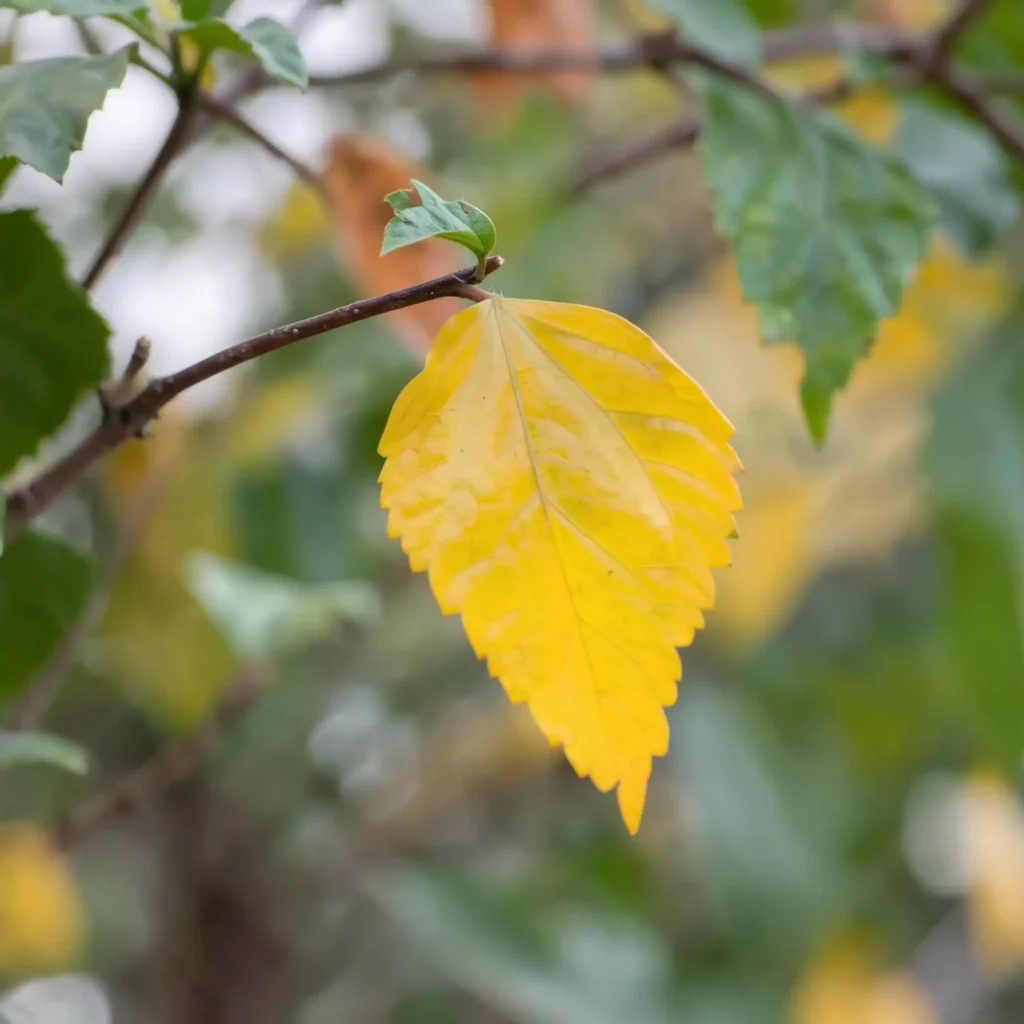
Usually permanent :
- Fully yellow leaves (chlorophyll is already gone)
- Leaves that have turned yellow then papery or mushy
Big red flags (act immediately) :
- Yellowing + mushy stems
- Foul smell from soil
- Yellowing spreading quickly across many leaves
- No new growth for weeks after conditions are corrected
FAQs
Can yellow leaves turn green again ?
Occasionally, slightly pale leaves can regain color if the issue was mild and quickly corrected (especially minor nutrient issues). But fully yellow leaves usually don’t revert—judge recovery by healthy new growth.
Should I cut off yellow leaves right away ?
If a leaf is completely yellow, yes—remove it cleanly. If it’s still partly green and not diseased, you can wait; the plant may reclaim some resources from it.
Why are only the bottom leaves yellow ?
Often normal aging, especially if it’s gradual. If it’s happening fast or many lower leaves yellow at once, suspect water stress, nitrogen deficiency, or root restriction.
My soil is wet but the plant looks thirsty—how is that possible ?
That’s classic root stress: roots can’t take up water (often from overwatering, rot, or compacted soil). The fix is improving root conditions, not adding more water.