Plants You Can Grow in Water Indoors (No Soil Needed) : A Clean, Reliable Guide for Beginners
By David Sullivan | Published on June 19, 2026
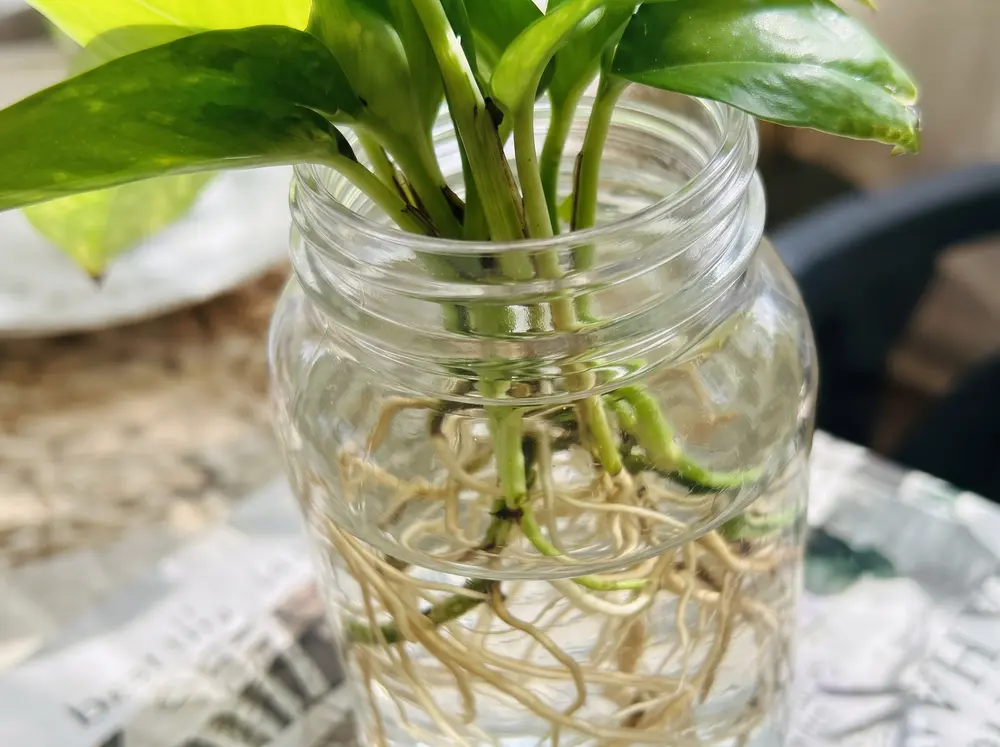
Key Takeaways
- Many houseplants can live in water for months or years if you provide clean water, a little nutrition, and the right light.
- The easiest “water plants” are usually vining aroids (pothos/philodendron), lucky bamboo, and herb-style cuttings like coleus.
- Success depends less on the plant and more on the system : don’t submerge leaves, change/rinse water regularly, and feed lightly.
In This Article
Water Propagation vs Growing in Water Long-Term
These are related, but not the same.
Water propagation (temporary)
You root a cutting in water, then usually pot it into soil later.
Best for : making new plants fast and cheaply.
Water culture (long-term, no soil)
The plant lives in water continuously. It develops “water roots” adapted to that environment.
Best for : clean décor, small spaces, and people who dislike messy potting soil.
Important reality : some plants root easily in water but don’t love living there forever unless you supply nutrients and keep water clean.
What You Need (Simple Setup)
Container
- Glass looks great (you can see roots), but grows algae faster in bright light.
- Opaque containers reduce algae and maintenance.
- Narrow-neck bottles are useful for supporting single stems.
Water
- Room-temperature water is safest.
- Tap water usually works. If your water is heavily chlorinated, letting it sit 12–24 hours can help (note : chloramine doesn’t evaporate easily, so a basic carbon filter is more reliable if you suspect issues).
Nutrients (this is what most guides skip)
A plant living in water long-term needs nutrients that soil would normally provide.
- Use a hydroponic or water-soluble houseplant fertilizer
- Start at ¼ strength (too strong is worse than too weak)
Optional but helpful
- Rinsed LECA/clay pebbles or clean aquarium gravel to support stems and keep crowns above water
- A small piece of activated charcoal to keep water fresher longer (not mandatory, but helpful)
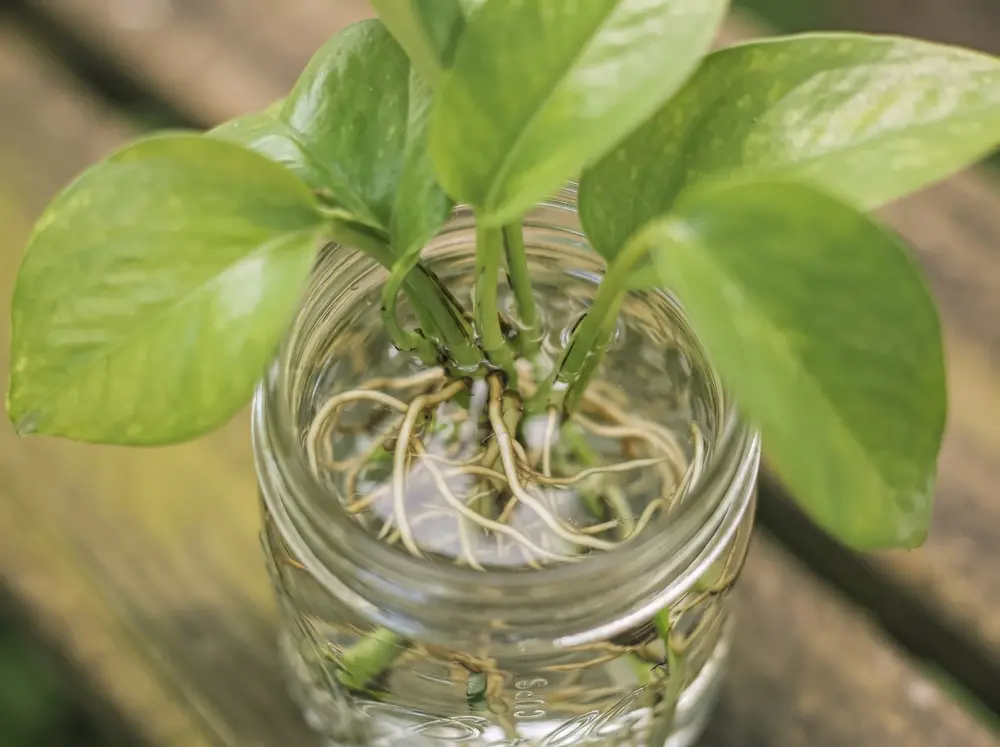
Step-by-Step : How to Start a Plant in Water (Without Rot)
Choose healthy material
Pick a fresh cutting with no yellowing, mushy spots, or pest issues.Make a clean cut
Use clean scissors/snips. For vining plants, cut just below a node (the bump where roots form).Remove lower leaves
Anything that sits underwater will decay. Keep leaves above the waterline.Fill container and place cutting
Submerge nodes/stem, not foliage. Make sure the cutting is stable.Bright, indirect light is ideal
Too dark = slow rooting and stagnant water. Harsh direct sun = hot water + algae.Refresh water regularly at the beginning
For the first couple weeks, change water every few days if it clouds. Once stable, you can stretch intervals.Start feeding lightly once roots form
When you have a decent root system, add fertilizer at ¼ strength.
10 Indoor Plants That Grow Well in Water (Realistic Picks)
1) Pothos (Epipremnum aureum)
- Why it’s great : extremely forgiving; roots fast; looks good trailing in a vase.
- Light : low to bright indirect (brighter = fuller growth)
- Notes : toxic if chewed by pets.
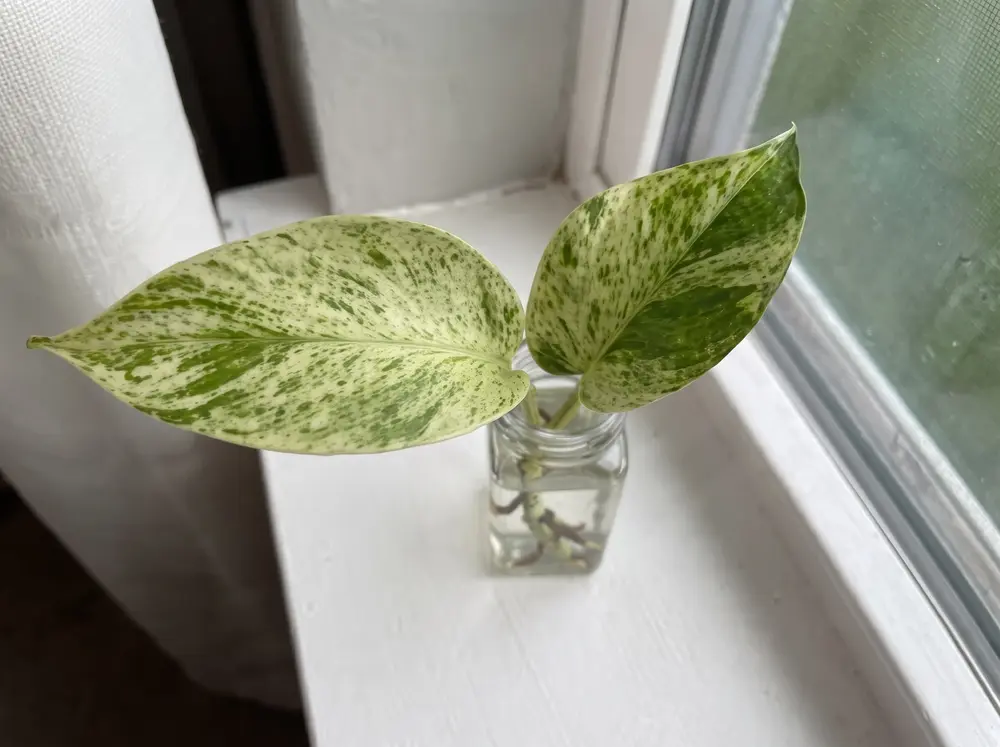
2) Heartleaf Philodendron (Philodendron hederaceum)
- Why it’s great : thrives in water, easy to shape, consistent performer.
- Light : medium to bright indirect
- Notes : toxic if chewed.
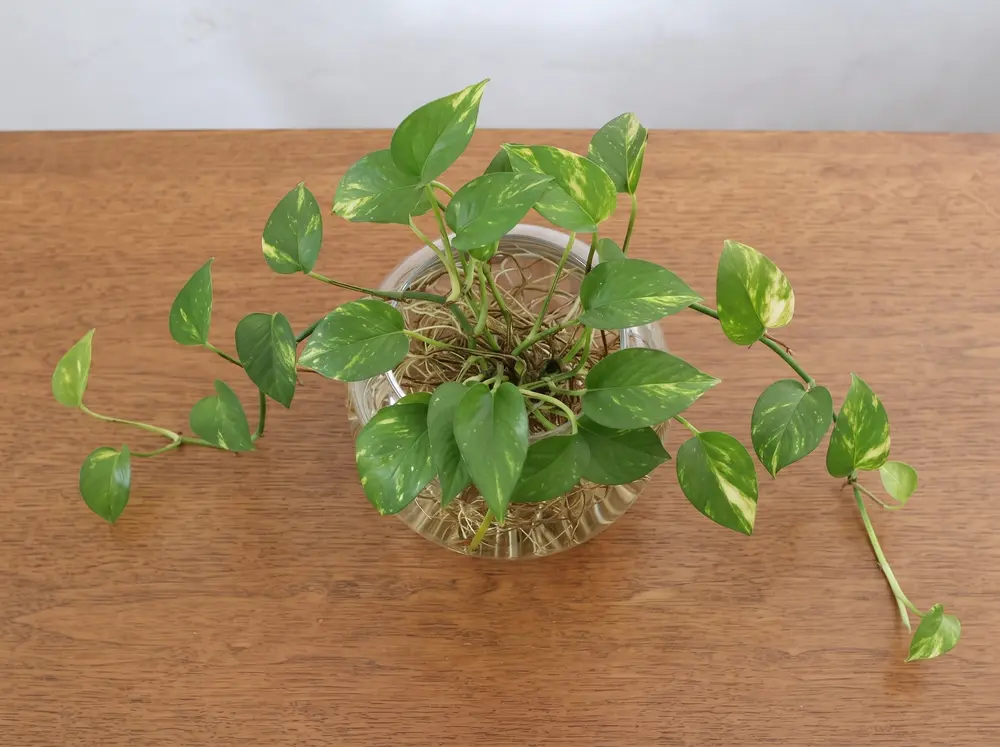
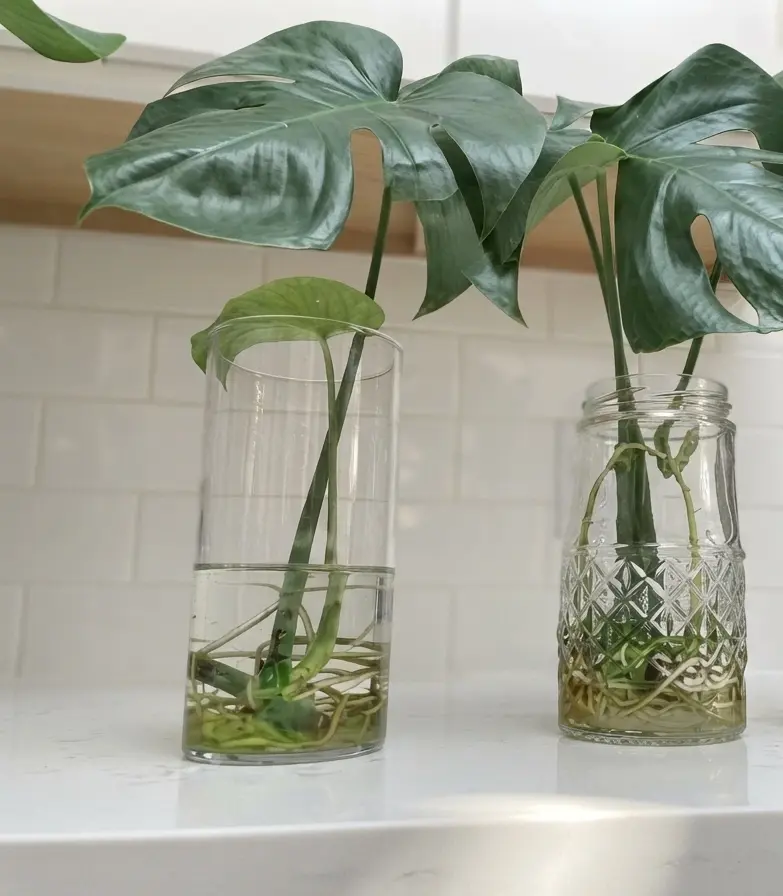
3) Monstera cuttings (Monstera deliciosa)
- Why it works : can root and live in water for extended periods if fed lightly.
- Light : bright indirect
- Notes : choose a cutting with a node; toxic if chewed.
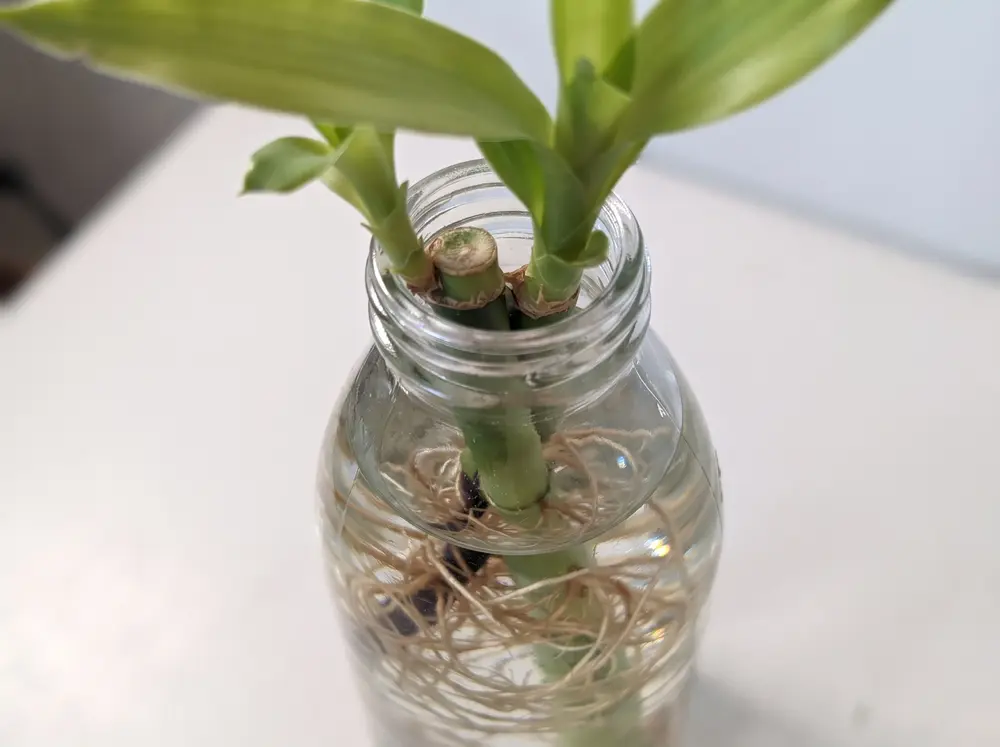
4) Lucky Bamboo (Dracaena sanderiana)
- Why it’s classic : widely grown in water; upright “living centerpiece”
- Light : medium, indirect
- Notes : use pebbles for support; avoid deep submersion of the stalk.
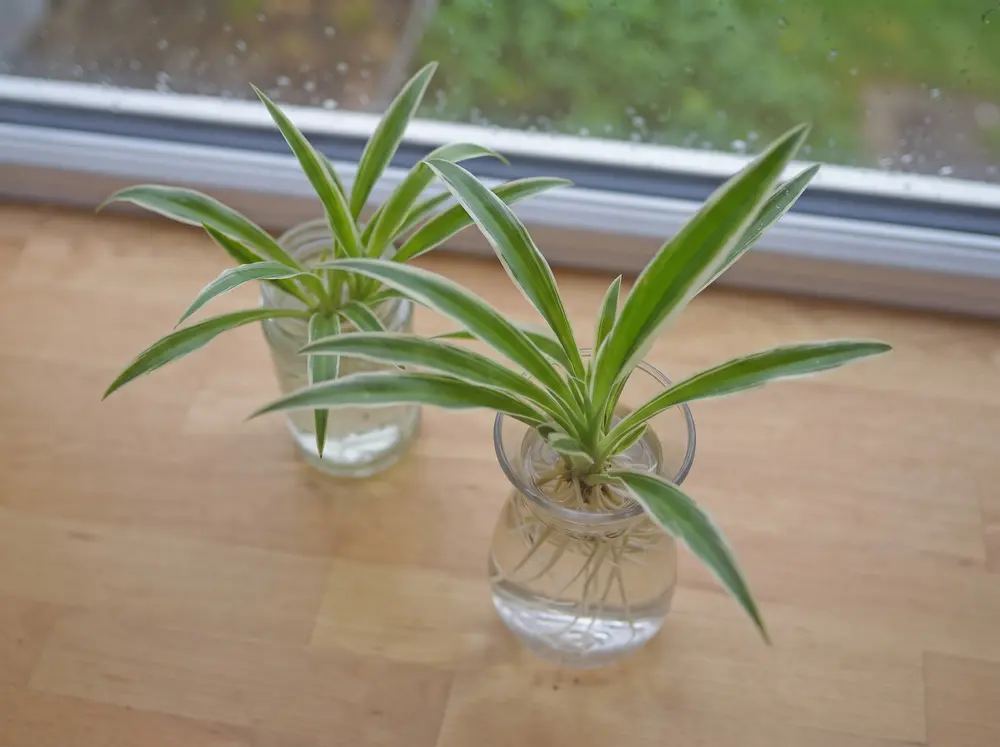
5) Spider Plant pups (Chlorophytum comosum)
- Why it works : plantlets root easily and transition well.
- Light : medium to bright indirect
- Notes : great starter option; generally considered pet-friendlier than many houseplants.
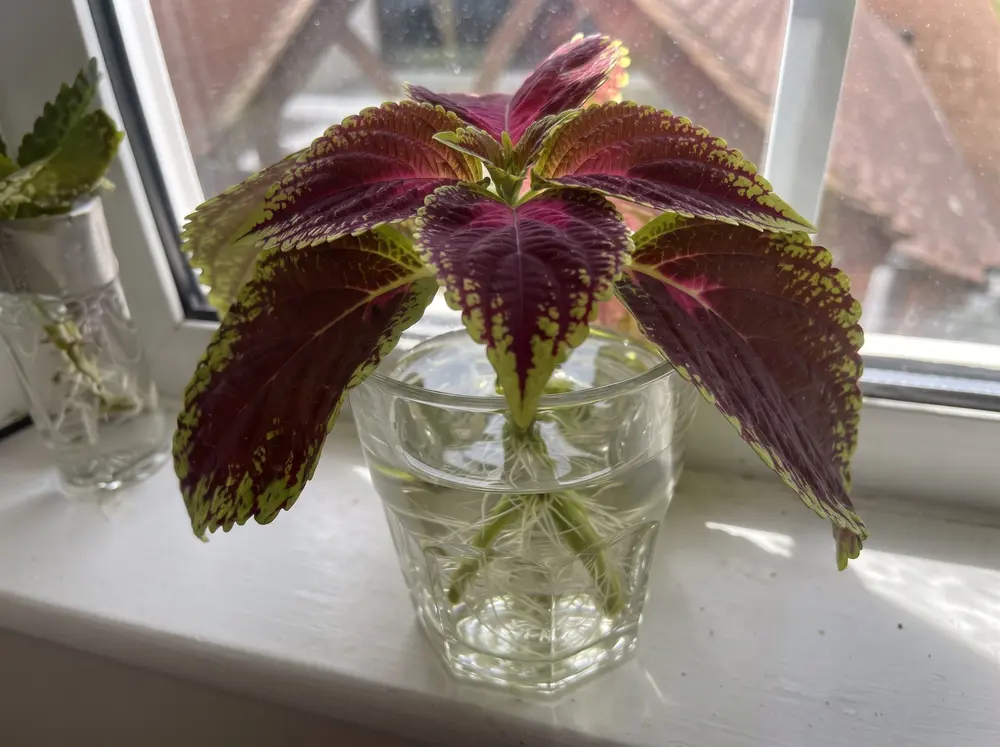
6) Coleus (Plectranthus scutellarioides)
- Why it works : fast rooting, colorful foliage, easy to replace.
- Light : bright indirect to gentle sun
- Notes : pinch tips to keep it bushy.
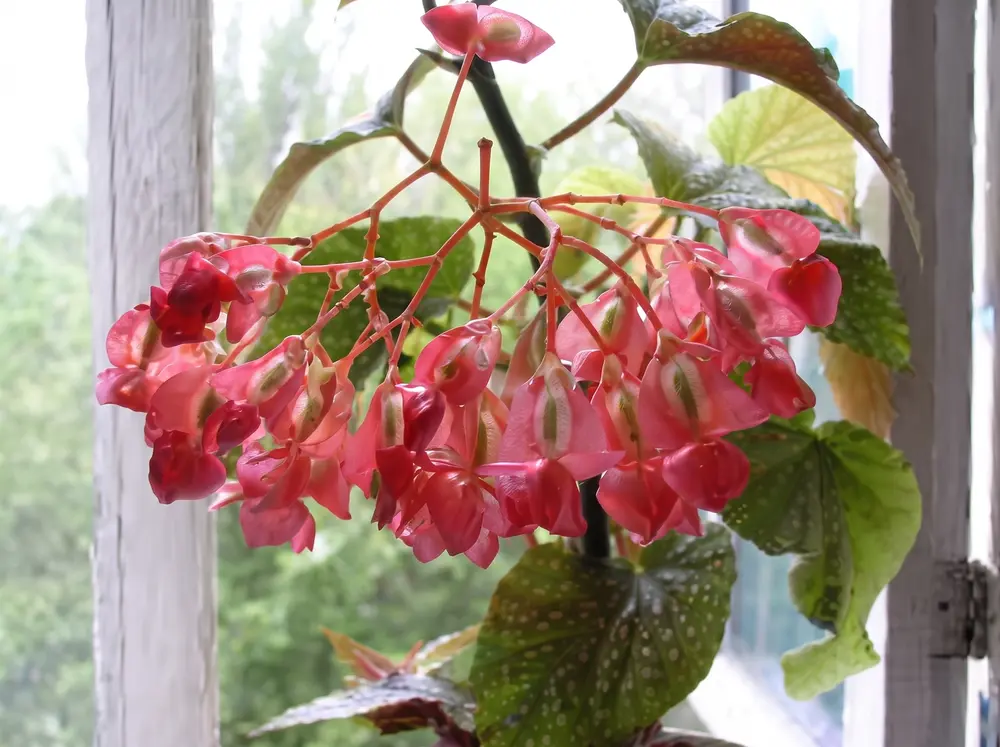
7) Begonia cuttings (many types)
- Why it works : many begonias root readily from stem cuttings.
- Light : bright indirect
- Notes : keep water very clean begonias can rot if stagnant.
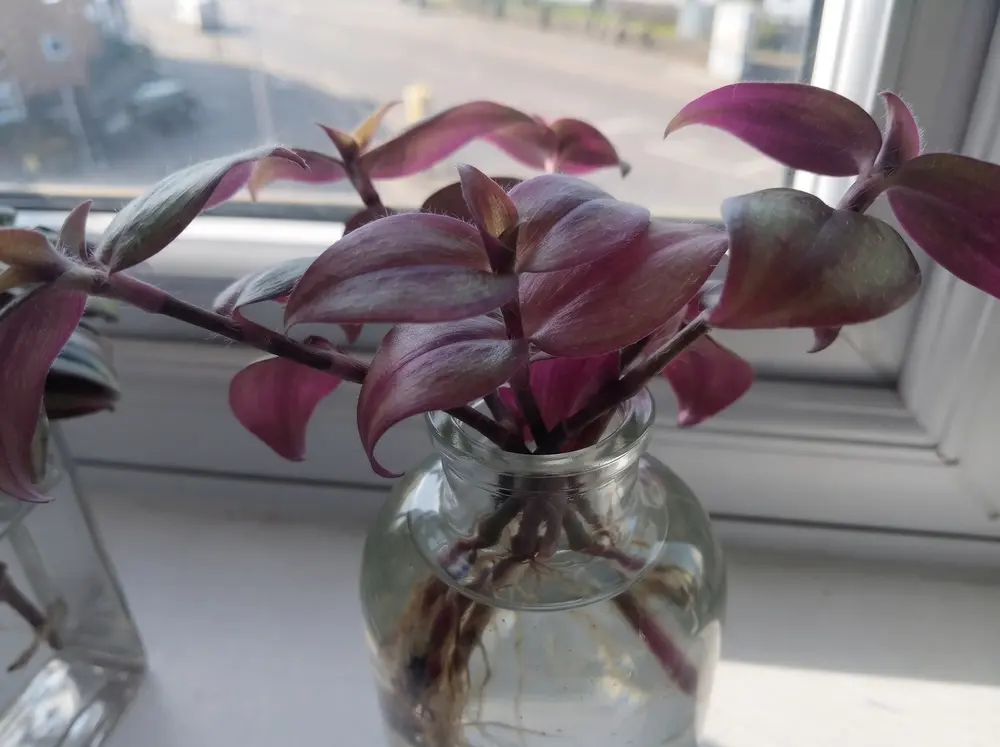
8) Tradescantia (wandering dude/inch plant)
- Why it works : roots quickly, grows fast, great for small jars.
- Light : medium to bright indirect
- Notes : easy, but can get leggy in low light.
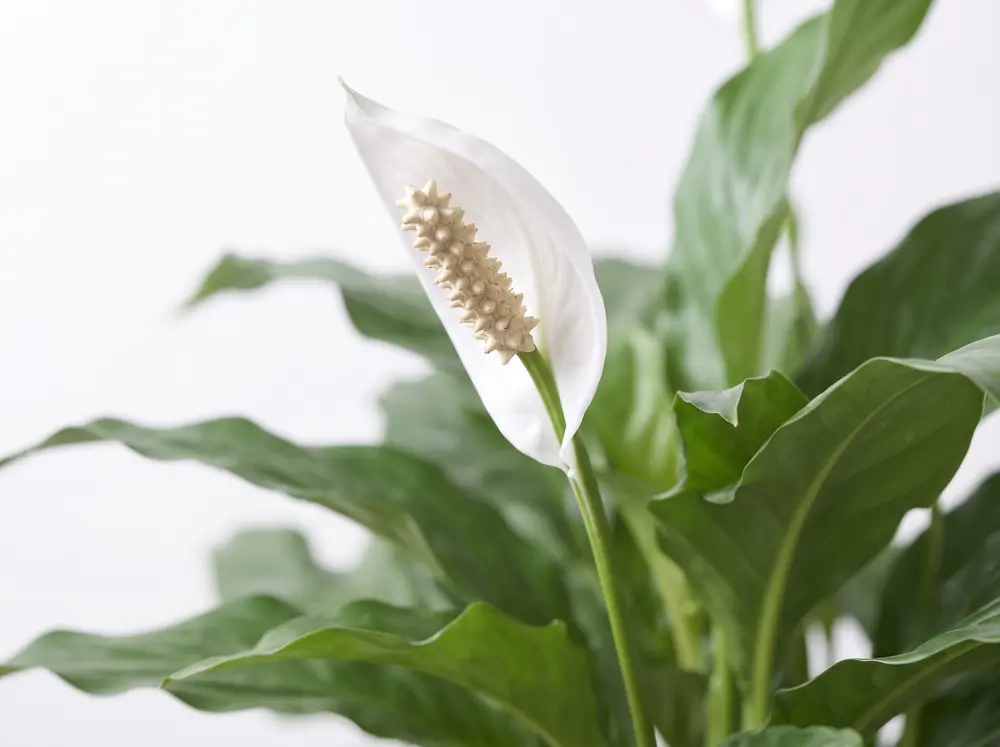
9) Peace lily divisions (Spathiphyllum)
- Why it can work : can adapt to water culture if kept clean and lightly fed.
- Light : medium indirect
- Notes : toxic if chewed; not the fastest starter best with an established division.
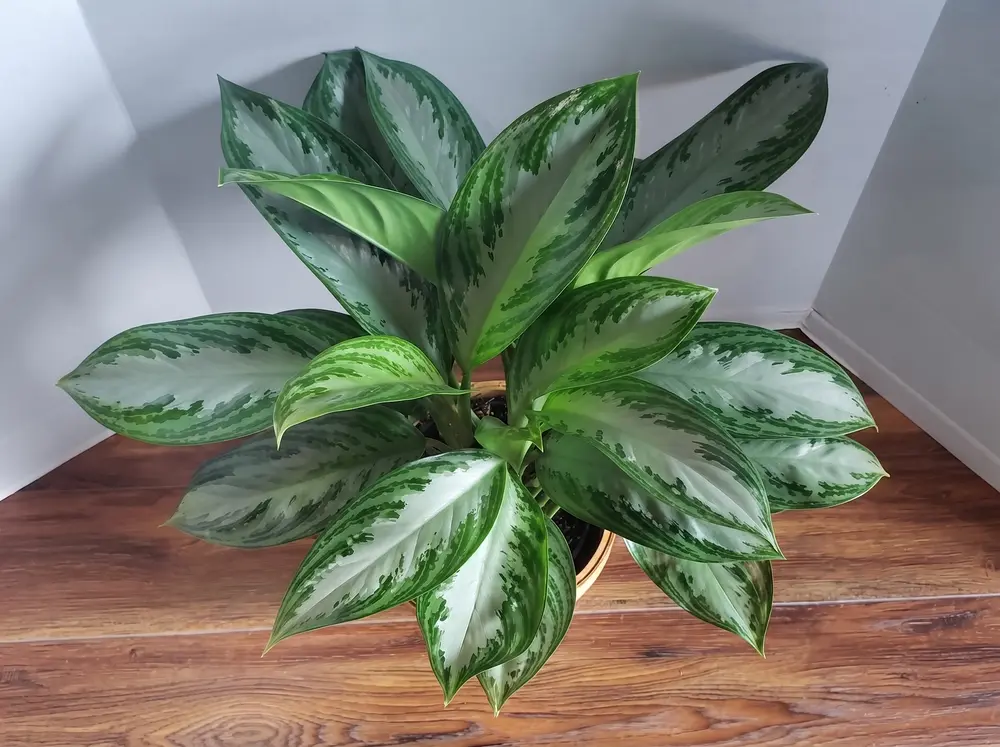
10) Chinese evergreen cuttings (Aglaonema)
- Why it’s worth trying : tough plant that can handle indoor conditions well.
- Light : low to medium indirect
- Notes : slow; keep crown above water; toxic if chewed.
Keeping Water-Grown Plants Healthy (Simple Routine)
Weekly (or every 7–14 days)
- Rinse the container and roots if water looks cloudy.
- Refill with fresh room-temperature water.
- Check that no leaves are sitting underwater.
Monthly
- Add fertilizer at ¼ strength (or follow your product for hydro use).
- Wipe the container if algae builds up.
- Trim any dark, mushy roots (healthy roots are usually firm and pale).
Pro tip : If algae is constant, move the container out of direct sun or switch to an opaque vase.
Troubleshooting (Fast Fixes)
Water smells bad / roots turning mushy
Cause : stagnant water, decomposing leaves, too-warm conditions, or too much fertilizer.
Fix : remove dying roots, rinse everything, refresh water, reduce light heat, and feed less.
Yellow leaves
Common causes : low light, nutrient shortage, or old leaves aging.
Fix : brighter indirect light + light feeding; remove only fully yellow leaves.
Algae explosion
Cause : light hitting water + warm conditions.
Fix : opaque container, less direct sun, more frequent rinsing.
Plant grows roots but stops growing leaves
Cause : often not enough light or not enough nutrients long-term.
Fix : increase indirect light and begin gentle monthly feeding.
FAQs
Can plants grow in water permanently ?
Many can, especially common vining houseplants and lucky bamboo if you keep water clean and provide light nutrients. Others do better as “water propagation, then pot into soil”
Do I need to change the water or just top it up ?
Topping up alone often leads to stale water and rot. A full refresh (and quick rinse) on a schedule is safer.
Do I need special hydroponic fertilizer ?
It helps, but a regular water-soluble houseplant fertilizer used lightly can work. Start at ¼ strength to avoid burning roots.
Can I use any glass jar ?
Yes—just keep leaves out of the water and don’t let the jar bake in direct sun (hot water stresses roots).