How to Fertilize Plants the Right Way : The 4R Method for Faster Growth, More Flowers, and Fewer Mistakes
By Ashley Chalmers | Published on July 28, 2026
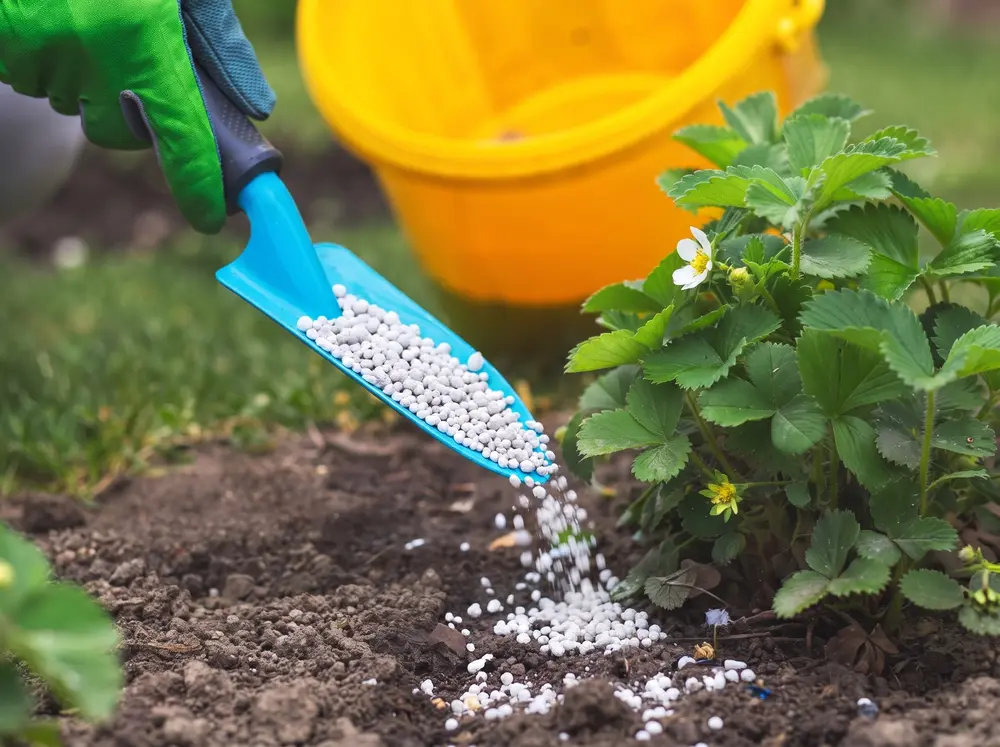
Key Takeaways
- Great fertilizing is less about “more plant food” and more about precision: the right product, at the right dose, at the right time.
- Soil health comes first. Compost and organic matter improve structure and water-holding; fertilizer supplies targeted nutrients when plants need them most.
- Most plant damage from fertilizer comes from over-application, poor timing (feeding stressed plants), or salt buildup in pots all preventable.
In This Article
Fertilizer Basics : What It Is (and What It Isn’t)
Fertilizer is a nutrient supplement. It helps when :
- soil nutrients are depleted,
- container soil has been used up,
- plants are growing fast (vegetables, annuals, roses),
- you need to correct a deficiency.
Fertilizer is not a fix for:
- low light indoors,
- poor drainage/overwatering,
- compacted soil,
- root rot,
- pests or disease.
If your plant is struggling, confirm basics (light + watering + drainage) before feeding. Feeding a stressed plant often makes stress worse.
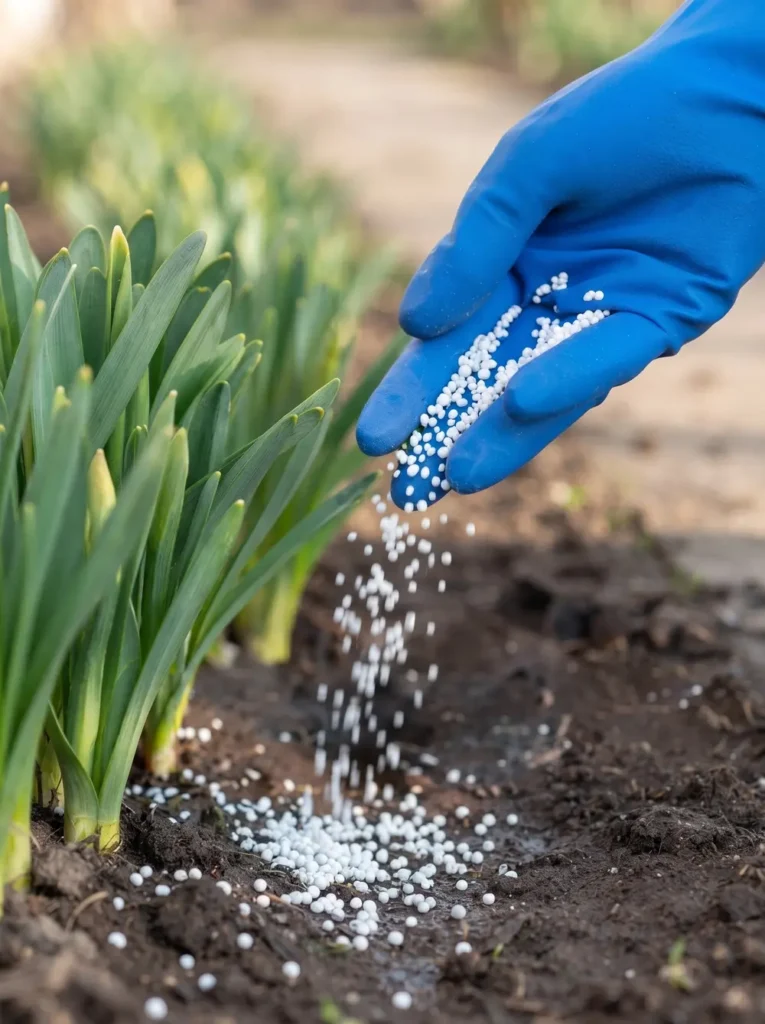
Read the Label Like a Pro : N-P-K + What It Really Means
Most fertilizers show three numbers, like 10-10-10. That’s :
- N (Nitrogen): leafy growth, chlorophyll, green color
- P (Phosphorus): root growth, flowering support (also energy transfer in the plant)
- K (Potassium): overall vigor, stress tolerance, flowering/fruit quality, water regulation
What many gardeners don’t realize
- A “bloom booster” high in phosphorus doesn’t automatically create more flowers if your soil already has enough P. In many gardens, phosphorus is not the limiting factor light, pruning, variety, or potassium often matter more.
- In containers, repeated feeding can lead to salt accumulation, which causes brown tips and weak roots.
Micronutrients
Plants also need small amounts of calcium, magnesium, iron, manganese, zinc, etc. Many quality fertilizers include these, and compost helps support balanced micronutrients over time.
The 4R Method (Right Source, Rate, Time, Place)
This is the simplest way to fertilize well in any garden.
1) Right Source : choose fertilizer based on your goal
Use these pairings as a practical guide :
- Fast leafy growth (lawns, leafy greens, foliage houseplants): slightly higher N
- Flowers and fruit (tomatoes, peppers, strawberries, flowering annuals): balanced or slightly higher K
- Root establishment (new transplants): gentle, balanced feeding + compost; avoid heavy doses
- Acid-loving plants (blueberries, azaleas, gardenias): acid-forming fertilizer + correct soil pH
Organic vs synthetic (simple truth) :
- Synthetic fertilizers are precise and fast-acting (useful for quick correction).
- Organic fertilizers release slower and improve soil biology/structure, but results are less immediate.
Many excellent gardeners use a hybrid approach: compost + targeted fertilizer as needed.
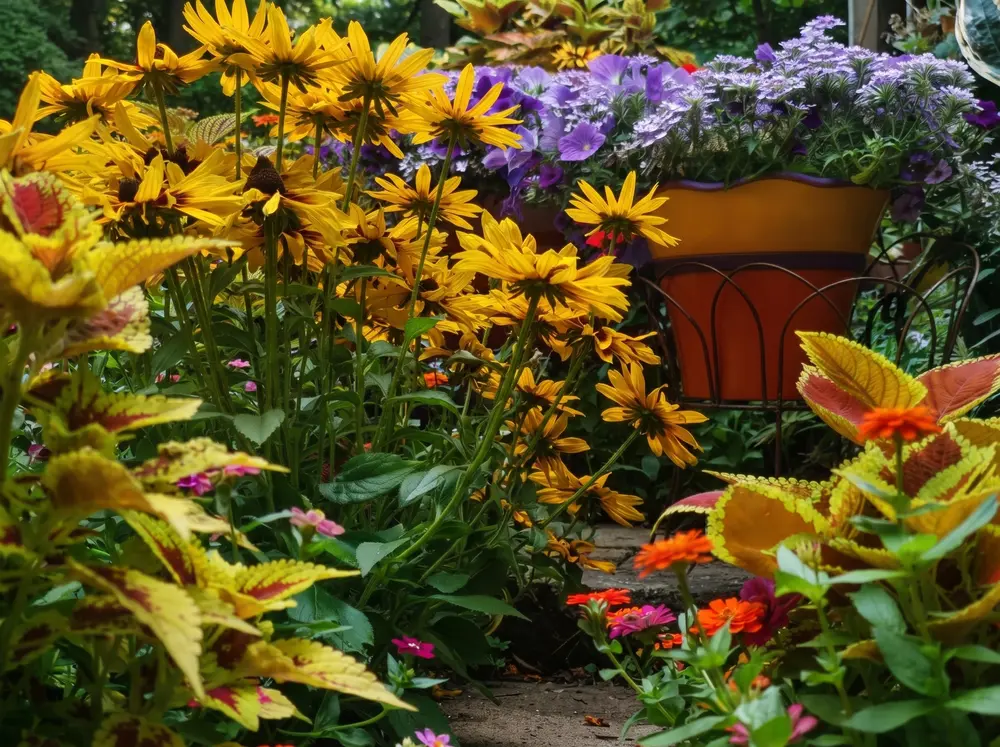
2) Right Rate : the dose matters more than the brand
Over-fertilizing is the fastest way to:
- burn roots,
- cause weak, pest-prone growth,
- create salt buildup in pots,
- pollute waterways via runoff.
Best rule for beginners : start at ½ the label rate, watch plant response for 2–3 weeks, then adjust.
Even better : base it on a soil test (especially for lawns and vegetable beds).
3) Right Time : feed when the plant can actually use it
Fertilize when plants are in active growth.
- Outdoors : typically spring through summer (varies by climate)
- Indoors : usually strongest in brighter months; many plants slow in winter
Avoid fertilizing when :
- soil is bone-dry and the plant is wilted (water first, wait a day)
- roots are damaged (repotting, rot recovery)
- plants are dormant or in deep winter slowdown
- you’re in extreme heat and plants are stressed
4) Right Place : put nutrients where roots can absorb them
- For pots : apply to the soil surface and water in; avoid letting concentrated fertilizer sit against stems.
- For beds : spread evenly over the root zone, not piled at the base of the plant.
- For trees : feed across the root area (often extends beyond the drip line), not right at the trunk.
Watering-in matters : nutrients must move into the root zone. Many granular products fail because they weren’t watered in properly.
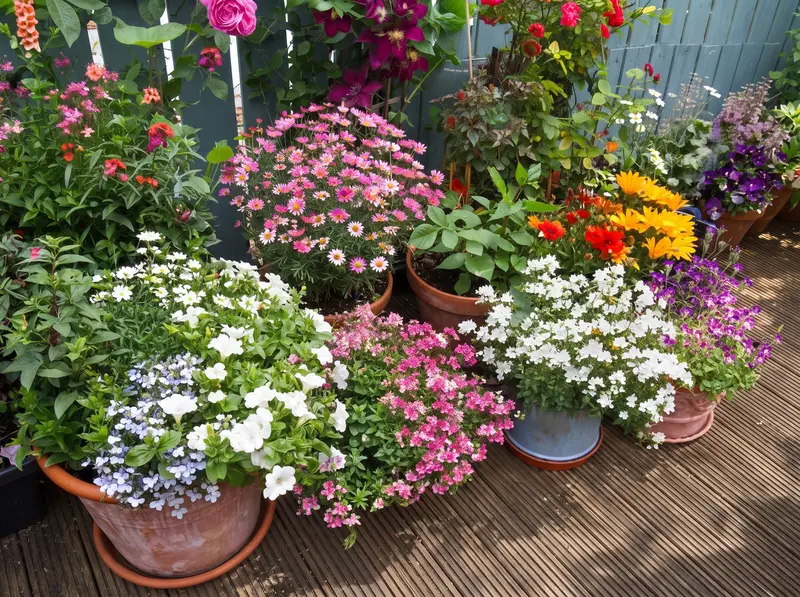
Fertilizer Types : Liquid vs Granular vs Slow-Release (What to Use)
Liquid fertilizers
- Pros : fastest response, easy to fine-tune, ideal for containers/houseplants
- Cons : easy to overdo; requires regular re-application
Best use : weekly/biweekly light feeding during active growth (“weakly, weekly” works well for many houseplants).
Granular fertilizers
- Pros : easy for garden beds, longer-lasting than liquid
- Cons : slower response; uneven spreading can cause hot spots
Best use : vegetables, flower beds, shrubs (water in well).
Slow-release fertilizers (coated prills or spikes/tabs)
- Pros : low-maintenance, steady feeding
- Cons : can release faster in heat; not ideal for correcting deficiencies quickly
Best use : containers, hanging baskets, busy gardeners, predictable feeding.
Outdoor Fertilizing Plans (Simple and Effective)
Vegetable gardens (high feeders)
Best approach : enrich with compost, then feed during growth.
- Mix compost into the top layer before planting.
- Use a balanced fertilizer early, then shift toward a fruiting-support formula when plants begin budding/flowering (especially tomatoes/peppers).
- Avoid heavy nitrogen late in the season it creates leaves at the expense of fruit.
Flower beds (annuals vs perennials)
- Annuals (heavy bloomers) : benefit from regular feeding, especially in containers and poor soils.
- Established perennials : often need less; compost top-dress may be enough unless growth is weak.
Shrubs and trees
- Newly planted shrubs/trees : focus on watering and root establishment; avoid heavy fertilizer early.
- Established : only fertilize if there’s a known deficiency or poor performance confirmed by soil test or visible symptoms.
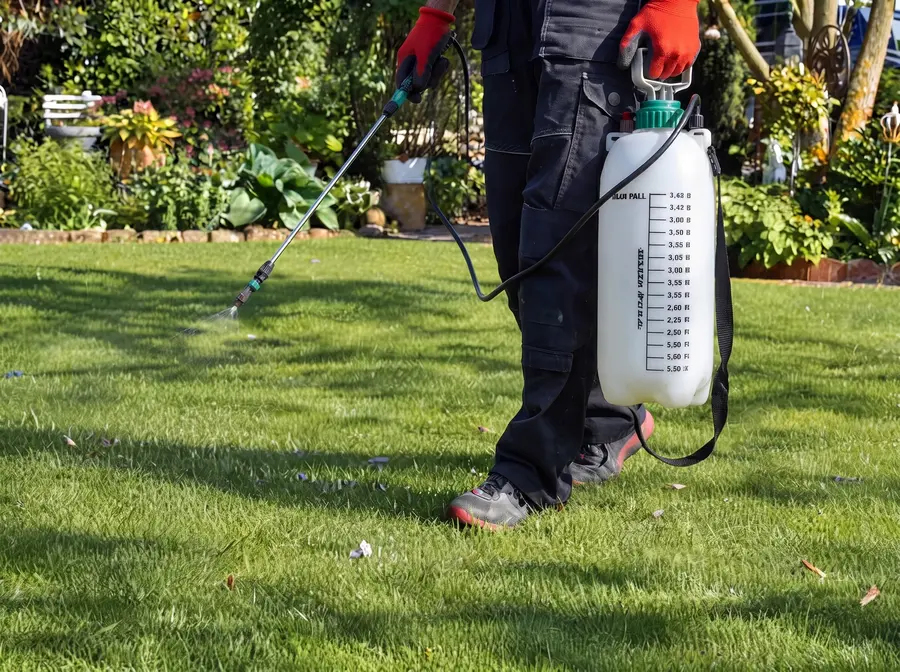
Lawns
Lawns are nutrient-hungry, but they’re also the easiest to over-fertilize.
- Feed during active growth periods; avoid applying before heavy rain.
- Keep fertilizer off sidewalks/driveways (it washes into drains).
- Consider mulching mower clippings back into the lawn to recycle nitrogen.
Houseplants & Containers : Feeding Without Burning Roots
Container plants rely on a limited volume of soil. Nutrients wash out with watering, but salts can also build up so you need balance.
A safe container strategy
- Use quality potting mix (often contains starter nutrition)
- Begin feeding after 4–8 weeks (or when growth picks up), depending on mix
- Feed lightly but consistently during active growth
- Flush salts periodically (run water through the pot thoroughly and let it drain)
How to avoid fertilizer burn indoors
- Never fertilize a completely dry root ball water first.
- Reduce dose in low light or winter.
- If leaves get brown tips and a white crust forms on soil, cut back feeding and flush.
Common Fertilizer Problems (and Quick Fixes)
Problem : Leaf tips turn brown after feeding
Likely cause : salt buildup or too-strong fertilizer
Fix : flush pot thoroughly; reduce feeding strength.
Problem : Huge leaves, weak stems, fewer flowers
Likely cause : too much nitrogen
Fix : switch to balanced/lower-N fertilizer; improve light; don’t overwater.
Problem : Yellow leaves but fertilizing doesn’t help
Likely cause : watering/root issues or pH lockout (nutrients present but unavailable)
Fix : check roots, drainage, and consider a soil pH test.
Problem : Fertilizer “did nothing”
Likely cause : wrong timing (dormant plant), dry soil (nutrients not moving), or insufficient light
Fix : correct care conditions first; then feed during active growth.
FAQs
Is compost a fertilizer ?
Compost is more of a soil builder than a high-powered fertilizer. It improves structure and supports nutrient cycling, but it may not supply enough fast nutrients for heavy feeders without supplemental fertilizer.
How often should I fertilize ?
It depends on plant type, growth rate, and fertilizer form. As a general rule :
- Fast growers, annual blooms, veggies : more frequent feeding during active growth
- Trees/shrubs : minimal unless needed
- Houseplants : light feeding during active growth, little to none in low-light winter conditions
Can fertilizer go bad ?
Most dry fertilizers store well if kept cool and dry. Liquids can degrade or separate over time. Check labels and store safely away from kids/pets.
Should I fertilize right after repotting ?
Usually no. Fresh mix often has nutrients, and disturbed roots are sensitive. Waiting 2–4 weeks is a safer baseline unless you’re using a very gentle regimen.