7 Proven Steps : How to Save an Overwatered Plant (Ultimate Guide)
By David Sullivan | Published on August 12, 2026
Key Takeaways
- Root rot is not just “too much water” it’s roots sitting in low-oxygen, wet conditions long enough to die, often followed by fungal/oomycete infection that spreads through weakened tissue.
- Yellow leaves and wilting can mean many things. The only way to confirm root rot is to inspect the roots.
- The best long-term prevention is a three-part system: correct pot size + fast-draining mix + watering based on soil dryness at depth (not a calendar).
In This Article
We have all been there. You want to give your leafy companion the best care possible, so you give it a little extra water. Before you know it, the soil is soggy, the leaves are dropping, and panic sets in. If you are frantically searching for how to save an overwatered plant, take a deep breath. You are in the right place.
Many beginners think a waterlogged pot is a guaranteed death sentence, but learning how to save an overwatered plant is easier than you think. Rescuing a drowning plant is entirely possible if you act quickly. In this comprehensive guide, we will walk you through the exact steps to bring your greenery back to life. We will also help you master your watering routine and choose the right plants for your unique home environment.
1. Signs Your Plant is Drowning : Diagnosing the Problem
Before you can master how to save an overwatered plant, you must confirm that too much water is actually the issue. Oftentimes, plant owners confuse hydration issues. Knowing the signs of overwatering houseplants versus the signs of underwatering indoor plants is crucial.
If you find yourself asking, “why are my houseplant leaves turning yellow?” or noticing indoor plant leaves falling off, excess moisture is likely the culprit.
Here is what to look out for:
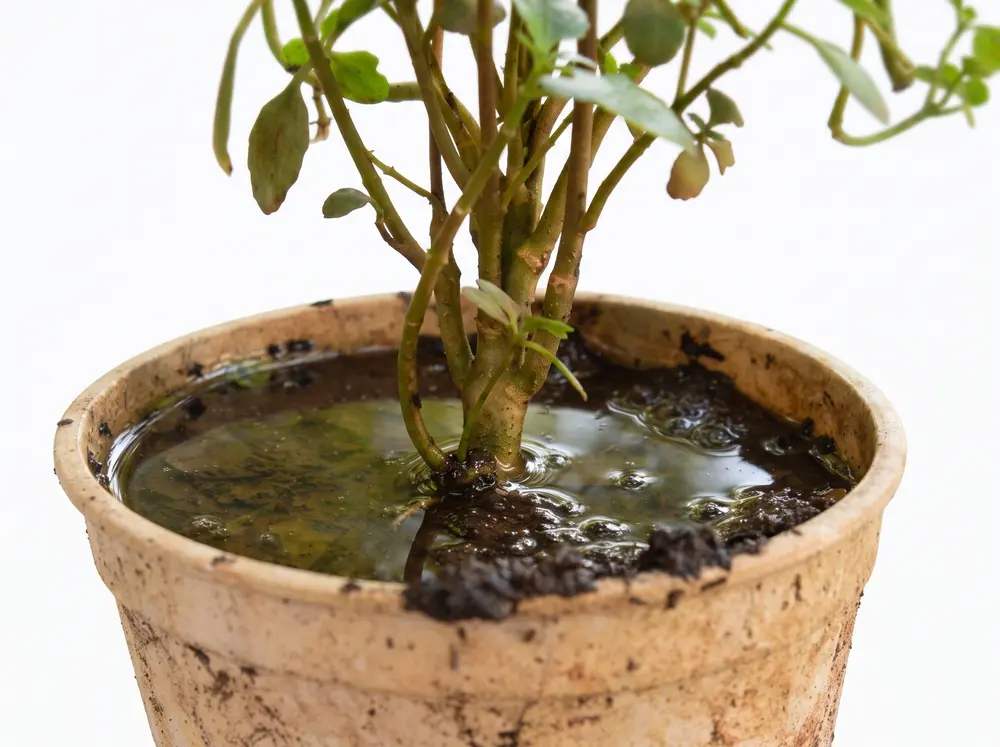
- Heavy, soggy soil: If the pot feels unusually heavy and the topsoil is dark and wet, it is waterlogged.
- Yellowing leaves: Unlike dry, crispy yellow leaves, an overwatered plant will produce soft, mushy, pale yellow foliage.
- Brown spots: “Why are indoor plant leaves turning brown?” While crispy edges mean dehydration, soft brown tips on indoor plant leaves usually indicate root rot.
- Curling foliage: Houseplant leaves curling downwards can signify that suffocating roots are unable to transport nutrients upward.
If your plant is merely yellowing, adjusting your watering habits might be enough. However, if severe wilting has started, you need to know how to revive a houseplant with emergency intervention.
2. How to Save an Overwatered Plant (7 Proven Steps)
If you are searching for the most effective method on how to save an overwatered plant, follow this step-by-step emergency protocol to help rescue your dying houseplant.
Step 1: Stop Watering Immediately
It sounds obvious, but you must completely halt your watering routine. Do not add another drop until you assess the damage.
Step 2: Move to a Shaded Area
Even if your plant loves bright sunlight, move it to a gently shaded spot. A stressed, waterlogged plant cannot properly process intense sunlight. Removing it from direct heat reduces the strain on its compromised root system.
Step 3: Remove Standing Water and Check Drainage
Never let pots sit in a saucer full of water. Empty the drip tray immediately. Ensure your pot has open drainage holes. If it doesn’t, gently tilt the pot to let excess water spill out.
Step 4: Trim Away Dead Foliage
Using sterilized shears, snip off any yellow, mushy, or dead leaves. This redirects the plant’s remaining energy toward healing its roots rather than trying to sustain dying foliage.
Step 5: Aerate the Soil or Repot
If the soil is only slightly soggy, poke gentle holes into the dirt using a chopstick to let air reach the root zone. However, if the soil is a swamp, you must repot. Understanding when to repot is a critical part of how to save an overwatered plant. Take the plant out of its container and inspect the roots. Healthy roots are firm and white; rotting roots are black and slimy.
Step 6: Trim Root Rot and Treat
Trim away any mushy, foul-smelling roots. For extra protection, treat the healthy root remnants with a gentle, houseplant-safe fungicide. Read more about treating root rot here (external do-follow link).
Step 7: Replant in Fresh, Well-Draining Soil
Place your recovering plant in a clean pot with fresh, dry soil. Do not fertilize the plant until it pushes out new, healthy growth. Learning how to save an overwatered plant takes patience—give it at least a week or two to bounce back.
3. Mastering Your Watering Schedule
To prevent future heartache, you must understand how often to water houseplants. After all, the best trick for how to save an overwatered plant is to never overwater it in the first place! The golden rule? Only water when the soil feels dry to the touch.
How often to water indoor plants depends entirely on the species, the season, and your home’s humidity. Instead of watering on a strict calendar schedule, test the soil with your finger. Water slowly at the base of the plant until it drains out the bottom, and avoid watering late at night to prevent fungal diseases.
If you are a chronic over-waterer, look for easiest plants to water. You will have much better luck with indoor plants that don’t need much water, such as succulents or snake plants. Choosing drought tolerant indoor plants and plants that need little water is a foolproof way to align your habits with your plant’s needs.
4. The Right Soil for Healthy Roots
Poor soil holds too much moisture. Using the best soil for indoor plants is your first line of defense against root rot.
Never use dense outdoor garden dirt inside. Instead, invest in the best potting soil for indoor plants, which usually contains perlite, orchid bark, and peat moss to ensure rapid drainage. Finding the right soil mix for houseplants is vital. For example, the best soil for monstera requires a chunky, airy mix that mimics their natural tropical environment. Similarly, the best soil for pothos should be light and well-draining to prevent waterlogging.
5. The Ultimate Guide: Choosing Easy & Forgiving Houseplants
If learning how to save an overwatered plant didn’t work this time, don’t give up! Sometimes, the best solution is to start fresh with varieties better suited to your lifestyle. Here is a curated list of plants based on your specific needs.
Beginner & Low Maintenance Champions
If you are new to the plant world, you need beginner friendly houseplants. Seek out easy care indoor plants that bounce back quickly from mistakes.
- Best houseplants for beginners: Look for the easiest houseplants to grow like Spider Plants or ZZ plants.
- Houseplants that are hard to kill: The Pothos and Snake plant are famously resilient. They are the easiest indoor plants to keep alive.
- Low maintenance indoor plants: If you have a busy schedule, low maintenance houseplants and easy indoor plants for beginners will forgive you if you occasionally mess up their watering schedule.
- Easy plants to care for: For a stress-free experience, stick to indoor plants for beginners.
Plants for Dim Lighting
Not everyone has massive, sun-drenched windows. If you live in a basement or a shaded unit, you need indoor plants for low light apartments.
- Best low light indoor plants: Try the Cast Iron Plant or the ZZ Plant. They are fantastic low light plants that are hard to kill.
- Plants for dark rooms: While no plant can survive in absolute darkness, indoor plants that need little sunlight (like the Snake plant) are excellent best plants for dark rooms.
- Specific spaces: Add greenery to dim areas with low light bedroom plants, low light office plants, or even low light bathroom plants.
- Indoor plants without sunlight: For areas with zero natural light, consider high-quality grow lights to support plants that grow without sunlight.
Best Plants for Apartments & Specific Rooms
If you live in a cramped space, you need indoor plants for small spaces.
- Apartment friendly houseplants: The best indoor plants for apartments are compact and adaptable.
- Indoor plants for small apartments: Consider a Chinese Money Plant or small ferns—they are the best plants for small apartments. Don’t forget plants for apartment balconies if you have a tiny outdoor space!
- Best bedroom plants: To create a relaxing oasis, look for the best plants for bedroom environments like Lavender or Aloe Vera.
- Living spaces: Elevate your decor with statement plants for living room corners. A Rubber Tree is one of the best indoor plants for living room aesthetics.
- Desk & Office: Boost productivity with plants for home office. The best desk plants are compact. Look for small plants for desk setups or general indoor plants for work desk areas to keep your workspace fresh. The best office plants thrive under fluorescent lights.
- Fast Growers: If you want a quick jungle vibe, look for fast growing houseplants. A Philodendron is one of the best indoor plants that grow fast.
Keeping Furry Friends Safe
If you have animals at home, safety is paramount. You must select pet friendly houseplants.
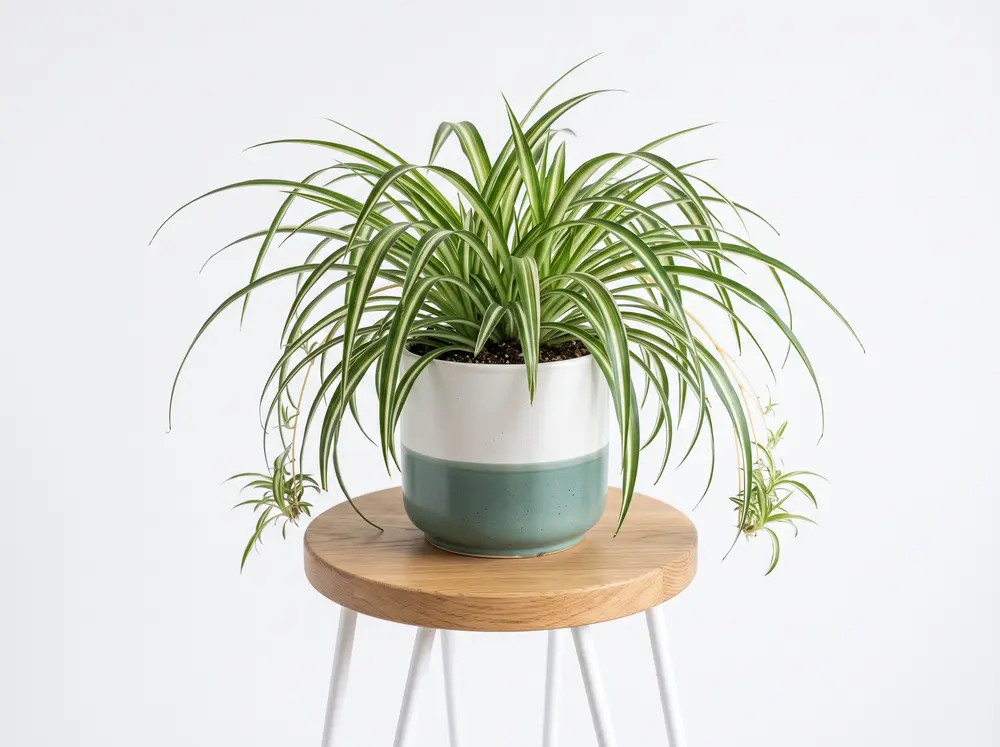
- Cat safe houseplants: Felines love to chew on leaves. Ensure you only buy non toxic indoor plants for cats, like the Spider Plant or Calathea. These are the best plants for cat owners.
- Dog safe indoor plants: Keep your pups out of danger with pet safe plants for home.
- Always verify that your selections are indoor plants that are safe for pets before bringing them inside.
Air Purifying & Humidity Needs
Plants don’t just look pretty; they can improve your health.
- Air purifying houseplants: Peace Lilies and Snake Plants are incredible plants that clean indoor air. They are widely considered the best air purifying indoor plants and the best plants for indoor air quality.
- Managing dry air: If your heater runs constantly, you need plants for dry indoor air. Some houseplants that increase humidity through transpiration (like Areca palms) are perfect indoor plants for dry rooms.
- Managing humidity: Conversely, if you have a damp space, utilize indoor plants for bathroom humidity. Ferns are among the best plants for humid rooms. If your home naturally lacks moisture, stick to the best plants for low humidity like succulents.
Knowing how to save an overwatered plant is an essential skill for any indoor gardener. By recognizing the early signs of yellowing, stopping your watering routine, checking for root rot, and providing proper drainage, you can pull your leafy friends back from the brink of death.
Remember, plant care is a learning journey. If a plant doesn’t make it, use our guide above to select species that perfectly match your lifestyle, lighting, and watering habits. Equip yourself with the right potting soil, practice patience, and soon your home will be a thriving, vibrant indoor jungle