Crocodile Ferns Are the Easy Houseplant You Should Start Growing in Fall
By David Sullivan | Published on June 25, 2026
Key Takeaways
- Crocodile fern (Microsorum musifolium) is a bold-textured fern that stays surprisingly low-fuss when you give it three basics : bright, indirect light, an airy mix, and steady moisture.
- Fall is a smart time to start because indoor temperatures are usually more stable and the plant can settle in before spring’s fast growth just plan ahead for dry indoor heat.
- Most crocodile fern problems come from extremes : soil kept soggy (root issues) or soil allowed to dry hard (crispy edges). Aim for “evenly moist” not wet.
In This Article
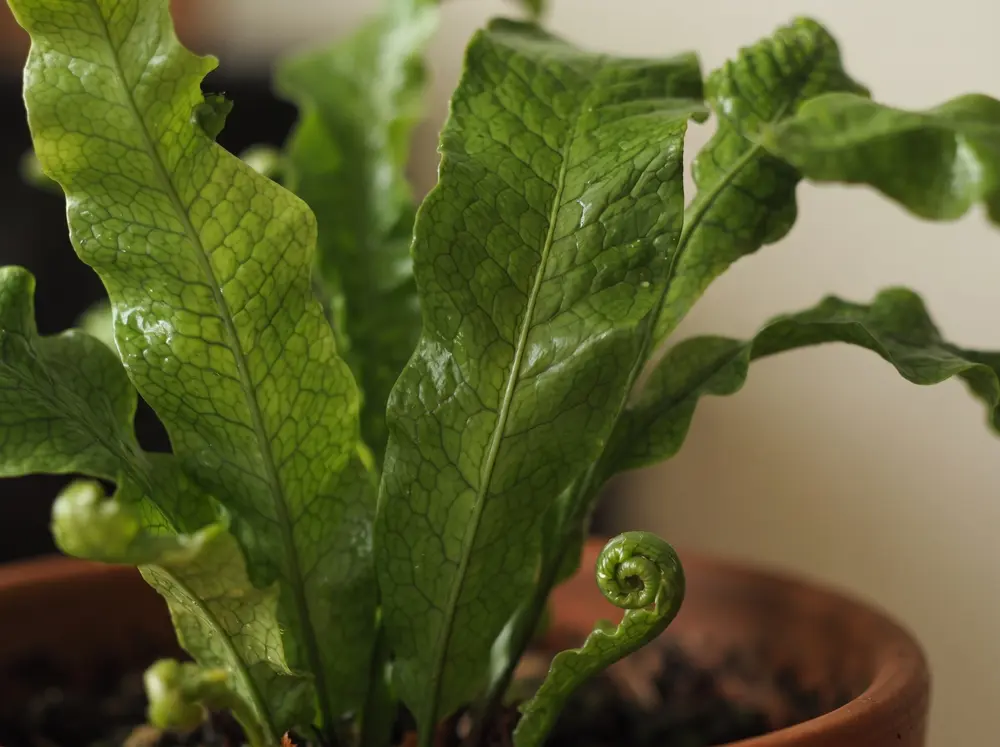
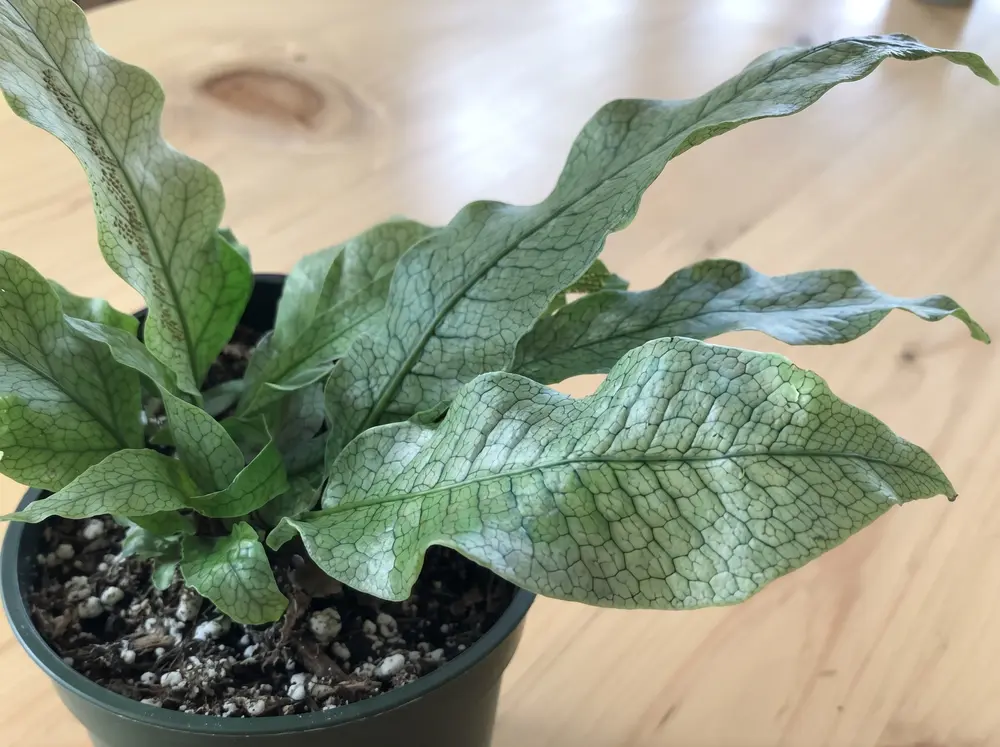
Crocodile ferns are loved for their dramatic, reptile-skin patterning those raised, crisscrossed veins that make each frond look textured and sculptural. They’re native to warm, humid forests and often grow as epiphytes or on mossy surfaces where roots get moisture and air at the same time. Re-creating that balance at home is the secret to keeping this fern looking lush.
Below is a practical, beginner-friendly guide to help your crocodile fern thrive especially as the seasons shift.
Care
If you want a simple care “formula,” think : filtered light + breathable soil + consistent moisture + gentle humidity support.
Light
Crocodile fern prefers bright light that does not hit its leaves as harsh sunbeams.
- Best placement is near an east-facing window (gentle morning light) or a north-facing window (steady light).
- If your brightest window is south or west facing, place the fern a few feet back from the glass, or soften the light with a sheer curtain.
- Direct sun can bleach the fronds or cause dry patches that never fully recover.
A helpful rule : if the plant is growing but looks stretched, pale, or “thin” it likely needs a bit more light. If it’s getting scorched or crispy despite good watering, it may be too close to direct sun or a heat source.
Soil
Crocodile fern does best in a mix that holds moisture while still letting oxygen reach the roots.
A dependable approach is to start with a quality indoor potting mix and “open it up” so it doesn’t stay waterlogged. Add orchid bark for structure and perlite/pumice for drainage. The goal is a mix that feels springy and airy, not dense and heavy.
One important detail many people miss: crocodile fern grows from a creeping rhizome. You don’t want to bury that rhizome too deeply in heavy soil. Keep the plant at the same depth it was originally growing, and avoid packing soil down hard.
Water
This fern likes consistent moisture, but it does not want to sit in swampy soil.
- During spring and summer, water when the surface is just beginning to dry before the pot gets fully dry.
- In fall and winter, water less often and allow the mix to dry slightly more between waterings. The plant uses less water when days are shorter and growth slows.
Instead of watering on a schedule, use a simple check: press a finger into the mix. If the surface feels dry but it’s still slightly cool and damp underneath, wait. If it’s dry deeper down, it’s time to water.
Always water thoroughly, let excess drain away, and never let the pot sit in a pool of water.
Temperature and Humidity
Crocodile fern is happiest in typical indoor “people temperatures” especially when it’s not exposed to sudden swings.
- Keep it away from cold drafts, chilly windows at night, and blasts from heating or AC vents.
- Aim for moderate-to-higher humidity. If your home gets dry in fall and winter, you’ll usually see browning tips first.
If humidity is a challenge, the most effective solutions are :
- running a small humidifier nearby,
- grouping plants together to create a more humid pocket of air,
- choosing a spot that naturally holds a bit more humidity (as long as there’s enough light).
Fertilizer
Crocodile fern doesn’t need heavy feeding, but it responds well to light, consistent nutrition during active growth.
- Feed with a balanced liquid houseplant fertilizer at half strength about once a month in spring and summer.
- Stop feeding in late fall and winter unless the plant is actively pushing new fronds in strong light.
Overfertilizing can lead to weak growth and browned edges especially in drier air so when in doubt, feed less.
Pruning
Pruning a crocodile fern is mostly about cleanup.
- Remove fronds that are yellowing, torn, or heavily browned.
- Cut fronds close to the base with clean scissors rather than trimming just the tip (tip-trimming can leave a blunt brown line).
If only the very ends are brown, it’s usually a humidity or watering consistency issue pruning the tips won’t fix the cause. Adjust conditions, then remove the worst fronds if needed for appearance.
Propagating
The easiest propagation method is division, and it’s best done when the plant is actively growing.
How to propagate by division :
- Slide the plant from its pot and gently loosen the root ball so you can see the natural clumps and rhizomes.
- Look for sections that already have their own roots and several fronds.
- Separate divisions carefully by hand. If roots are stubborn, use clean snips to cut between sections rather than tearing.
- Pot each division into fresh, airy mix at the same depth it was growing before.
- Water well, then place the divisions in warm conditions with bright, indirect light.
- Keep moisture steady for the first couple of weeks. New fronds are the sign the division has taken.
Division is faster and more reliable than spore propagation for home growers.
Growing in Pots
Container choice matters because it controls how quickly the root zone dries.
- Use a pot with drainage holes. If you prefer a decorative pot without holes, keep the fern in a plastic nursery pot inside it and empty any collected water after watering.
- A slightly wider-than-deep pot often suits crocodile fern’s rhizome growth habit.
- Avoid upsizing too aggressively when repotting. A pot that’s too large holds extra wet soil the roots can’t use quickly, which raises the risk of root problems.
Repot when the plant becomes crowded, when the mix breaks down and stays wet too long, or when growth slows despite good care. Refreshing the mix is often more beneficial than simply giving a bigger pot.
Overwintering
In most climates, crocodile fern “overwintering” means adjusting indoor care for shorter days and drier air.
- Water less frequently, but don’t let the pot dry completely.
- Stop fertilizing until spring.
- Move the plant a bit closer to the window if winter light drops significantly, but keep it away from cold glass and drafts.
- Protect it from heating vents, which can dry fronds quickly and trigger browning edges.
Fall is a great time to start this plant because you can dial in the right spot and routine before winter dryness peaks.
Pests and Diseases
Crocodile ferns are not pest magnets, but they can still be affected especially in stressed indoor conditions.
Common pests :
- Spider mites (more common in dry air)
- Mealybugs and scale (often hide near the base or along midribs)
If you suspect pests :
- Inspect undersides of fronds and the base of the plant with a bright light.
- Rinse the plant gently, then treat with insecticidal soap or horticultural oil, repeating as directed (one treatment is rarely enough).
Common disease issue :
- Root rot from consistently wet soil or poor drainage. Symptoms include yellowing fronds, a limp plant despite damp soil, and a sour smell from the potting mix.
If root rot is suspected, the fix is cultural, not cosmetic : remove the plant from the pot, trim dead roots, and repot into a fresh, airier mix with better drainage habits going forward.
FAQ
Should I mist my crocodile fern ?
Misting may make leaves look refreshed for a moment, but it rarely increases humidity in a meaningful way. For real results, use a humidifier, group plants, and keep moisture consistent in the potting mix.
Is crocodile fern low maintenance ?
Yes—if you meet its basics. It’s easier than many ferns because it’s fairly forgiving, but it still dislikes extremes: prolonged dryness or constantly soggy soil.
Are crocodile fern and bird’s nest fern the same ?
No. They can look similar at a glance because both can have strap-like fronds, but they’re different plants with different textures and growth habits.
Why are the tips turning brown ?
Most often it’s low humidity, inconsistent watering (especially letting the pot dry too far), or salt buildup from fertilizer/hard water. Improve consistency, consider flushing the pot occasionally with clean water, and avoid overfeeding.