Why Your Houseplants Keep Dying : 7 Expert-Backed Causes
By David Sullivan | Published on June 27, 2026
Key Takeaways
- Most houseplants slow down in fall and winter, so they naturally need less water and little to no fertilizer keeping summer habits is a common reason plants decline.
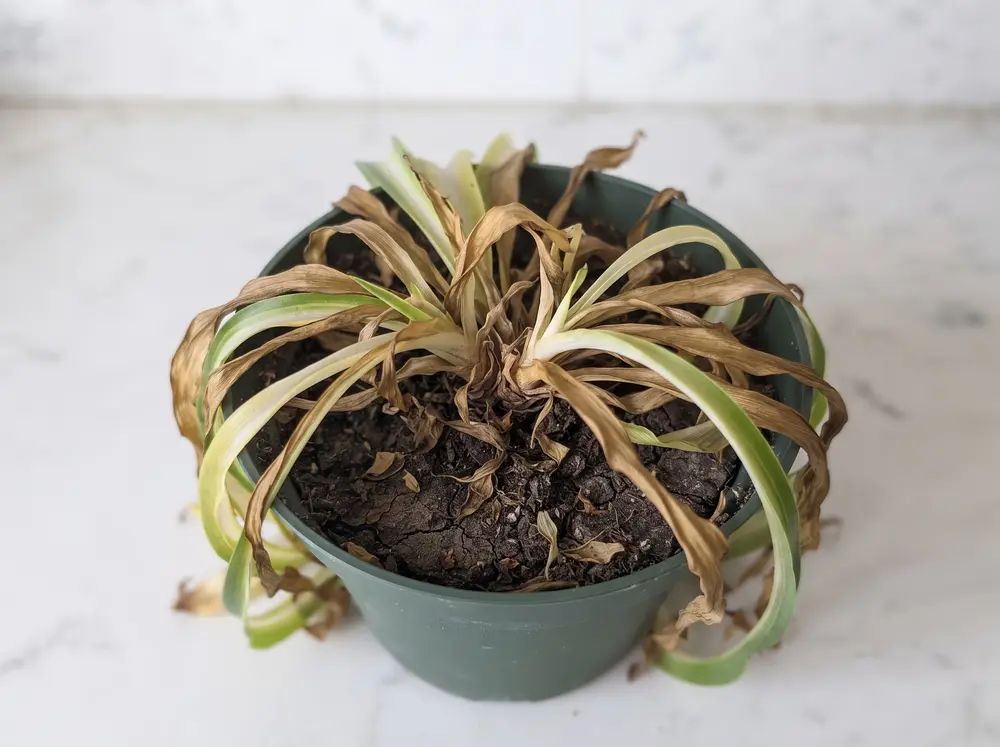
- Symptoms like brown crispy edges, yellowing leaves, droopy stems, and stalled growth are usually stress signals, not a mystery disease.
- You’ll diagnose problems faster by checking light, soil moisture at depth, drafts, humidity, pests, and leaf cleanliness then making one change at a time.
In This Article
Before you water, feed, repot, or move your plant across the house, do these five checks. They prevent most wrong “fixes”
- Check soil moisture 2–3 inches down (not just the surface).
- Look for pests on leaf undersides and at stem joints (use a flashlight).
- Note how far the plant is from a window and whether days have shortened.
- Feel for airflow : vents, heaters, fireplaces, drafty windows, exterior doors.
- Inspect leaves for dust and buildup.
Once you’ve done that, use the 7 reasons below to pinpoint the real cause.
When the days shorten, indoor light intensity drops more than most people expect even if the plant is in the “same spot” Less light means less energy for growth, but it also means the plant uses water more slowly, so other problems (especially overwatering) get worse.
What you’ll notice :
- Slow growth or no new leaves
- Long, stretched stems (leggy growth)
- Smaller new leaves
- Plant leaning toward the window
How to fix it :
- Move the plant closer to the brightest window you have (often 1–3 feet closer makes a big difference).
- Rotate the pot weekly so growth stays even.
- If windows are weak or the room is dim, add an LED grow light on a timer. Consistency matters more than intensity for many houseplants start with 10–12 hours daily and adjust if needed.
What not to do :
- Don’t “compensate” for low light with fertilizer. Feeding a low-light plant often creates weak, pest-prone growth or salt stress.
2) Too Much Water
In fall and winter, plants typically drink less because growth slows and evaporation drops. If you water on a fixed schedule, you can accidentally keep soil damp for too long starving roots of oxygen and setting the stage for root rot.
What you’ll notice :
- Yellowing leaves (often several at once)
- Droopiness even though soil is wet
- Soil that stays wet for many days
- Fungus gnats hovering near the pot
How to confirm :
- Stick a finger or wooden skewer deep into the pot. If it’s damp at depth, wait.
- Lift the pot: if it still feels heavy days after watering, it’s not drying fast enough.
How to fix it :
- Let the pot dry farther between waterings (how far depends on the plant).
- Make sure the pot has drainage holes and the plant isn’t sitting in water inside a cachepot or saucer.
- If soil is compacted and stays wet, repot into a lighter mix (more perlite/pumice/bark for many tropicals).
- If you suspect root rot (bad smell, mushy stems, black roots), unpot and remove dead roots, then repot into fresh mix.
3) Hot and Cold Drafts
Houseplants may tolerate “room temperature” but repeated blasts of hot or cold air are stressful. Draft stress often looks like random yellowing, leaf drop, and crispy edges especially in winter when windows and vents create sharp temperature swings.
Common culprits :
- Heating vents blowing directly onto leaves
- Radiators, fireplaces, space heaters
- Cold glass near windows at night
- Exterior doors with frequent opening/closing
What you’ll notice :
- Leaves yellowing prematurely
- Leaf drop shortly after placement near a draft
- Crispy tips near the airflow side of the plant
How to fix it :
- Move plants out of the direct path of vents and away from cold window glass.
- If you can’t move the plant far, redirect the vent or use a deflector.
- Aim for stable conditions over “perfect” conditions plants do better with consistency.
4) Low Humidity
Heated indoor air is often very dry. That’s tough on plants that evolved in humid forests (many ferns and tropical foliage plants). Low humidity doesn’t usually kill a plant overnight, but it steadily weakens leaves and makes pests especially spider mites more likely.
What you’ll notice :
- Brown, crispy leaf edges or tips
- New leaves that emerge misshapen or struggle to unfurl
- Faster drying at the leaf level even when soil is okay
How to fix it (what actually works) :
- Keep plants away from heat sources and forced-air vents first this alone solves many cases.
- Use a humidifier near the plant, especially for ferns and humidity-sensitive tropicals.
- Group plants together to create a small humid “microclimate”
- Be cautious with pebble trays : they can help a little in very small areas, but they’re not a substitute for a humidifier in dry winter homes.
Important note :
- Misting is fine for rinsing dust, but it usually doesn’t raise humidity for long enough to matter.
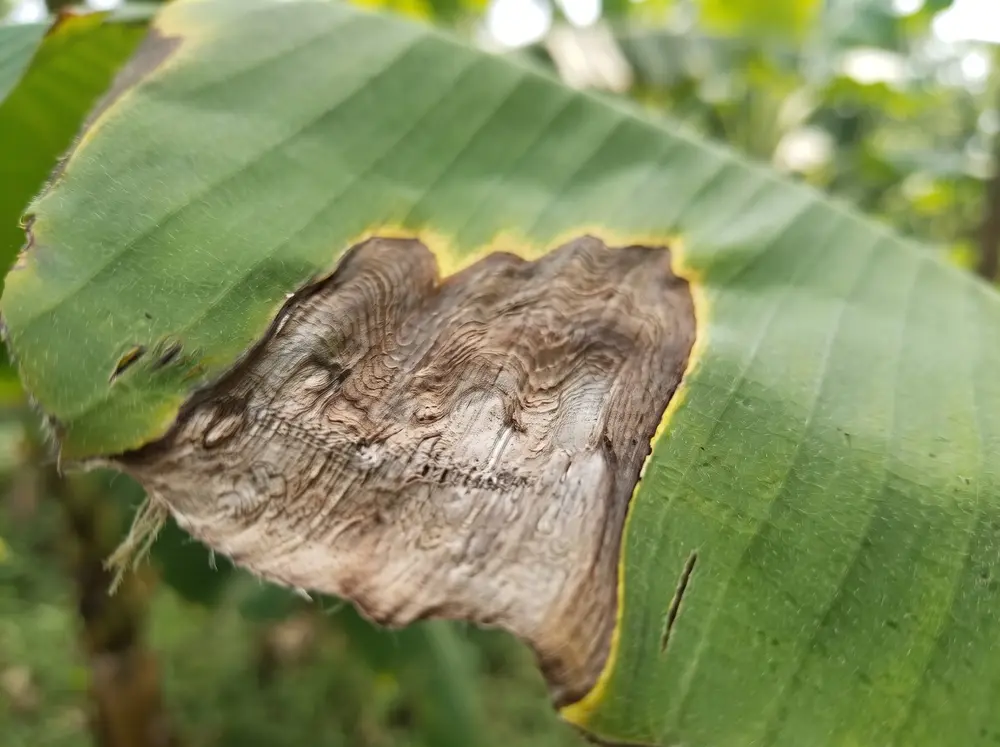
In low-light seasons, many houseplants slow down. Feeding them like it’s midsummer can cause fertilizer burn or salt buildup especially in containers where minerals accumulate.
What you’ll notice :
- Brown leaf tips and edges that worsen after feeding
- White crust on soil surface or pot rim
- Leaves that look “scorched” even though watering seems fine
- Weak, overly soft growth
How to fix it :
- Pause fertilizing during the darker months unless the plant is actively growing under strong light or grow lights.
- Flush the pot occasionally by running water through the soil thoroughly and letting it drain (helps remove built-up salts).
- When you resume feeding, use a diluted fertilizer and increase only if the plant responds well.
6) Hidden Pests
Pests don’t take winter off many get worse when indoor air is dry and plants are slightly stressed. Also, pests hitchhike in on new plants, bouquets, or houseplants that spent time outdoors in warmer months.
What you’ll notice :
- Fine webbing (often spider mites)
- Sticky residue on leaves or nearby surfaces (often aphids/scale)
- Silvery scarring or distorted new growth (often thrips)
- Tiny bumps on stems (scale) or cottony clusters (mealybugs)
How to fix it :
- Isolate the plant immediately so pests don’t spread.
- Rinse leaves thoroughly (especially undersides).
- Use insecticidal soap or horticultural oil, repeating on schedule (one treatment rarely solves it because eggs hatch later).
- Improve conditions that encourage pests: raise humidity where appropriate, reduce stress, and clean leaves.
Pro habit :
- Inspect new plants for 2 weeks before placing them with your collection.
7) Dirty Leaves
Dust is not just cosmetic it blocks light and reduces photosynthesis. In winter, when light is already limited, dusty leaves can push a plant from “okay” into “struggling” and it can also create a better environment for pests.
What you’ll notice :
- Leaves look dull or gray
- Growth slows even though care hasn’t changed
- Pests are harder to spot because leaves are grimy
How to fix it :
- Wipe smooth leaves with a damp cloth. Support the leaf from underneath so you don’t tear it.
- Rinse sturdy plants in the shower with lukewarm water (let them drain well afterward).
- For fuzzy-leaf plants (like African violets), use a soft brush instead of water on leaves.
Avoid :
- Leaf shine products. They can clog leaf pores and create more issues than they solve.
Recovery Timeline : What Improvement Should Look Like
A stressed houseplant rarely “snaps back” in 48 hours. Use these signs to measure progress :
- Week 1 : decline slows (less yellowing, less dropping)
- Weeks 2–4 : new growth starts, leaves look firmer, pests reduced
- Month 2+ : stronger new leaves and more stable watering rhythm
Old damaged leaves often won’t look perfect again judge success by healthier new growth.
FAQ
How do I know if my plant is dying or just slowing down for winter ?
If the plant is stable but growing slowly, that’s normal. If you see rapid yellowing, leaf drop, mushy stems, persistent wilting, or pests, it’s stress not seasonal rest.
Should I repot a struggling plant in winter ?
Only if you have a clear reason (root rot, soil staying wet too long, severe compaction, or pest-infested soil). Otherwise, focus on stabilizing light and watering first.
What’s the fastest “first fix” that helps most plants ?
Stop watering on a schedule. Check moisture at depth and water only when the plant’s soil has dried to the appropriate level for that species.