Cast Iron Plant Care : How to Grow Aspidistra Elatior Indoors
By David Sullivan | Published on August 02, 2026
Key Takeaways
- Cast iron plant is one of the most dependable low-light houseplants, but it stays healthiest when it gets medium to bright indirect light and dries between waterings.
- The quickest way to harm it is “kindness” : oversized pots, soggy soil, and frequent watering can lead to root decline.
- Division is the easiest way to propagate cast iron plant and the fastest path to a fuller clump.
In This Article
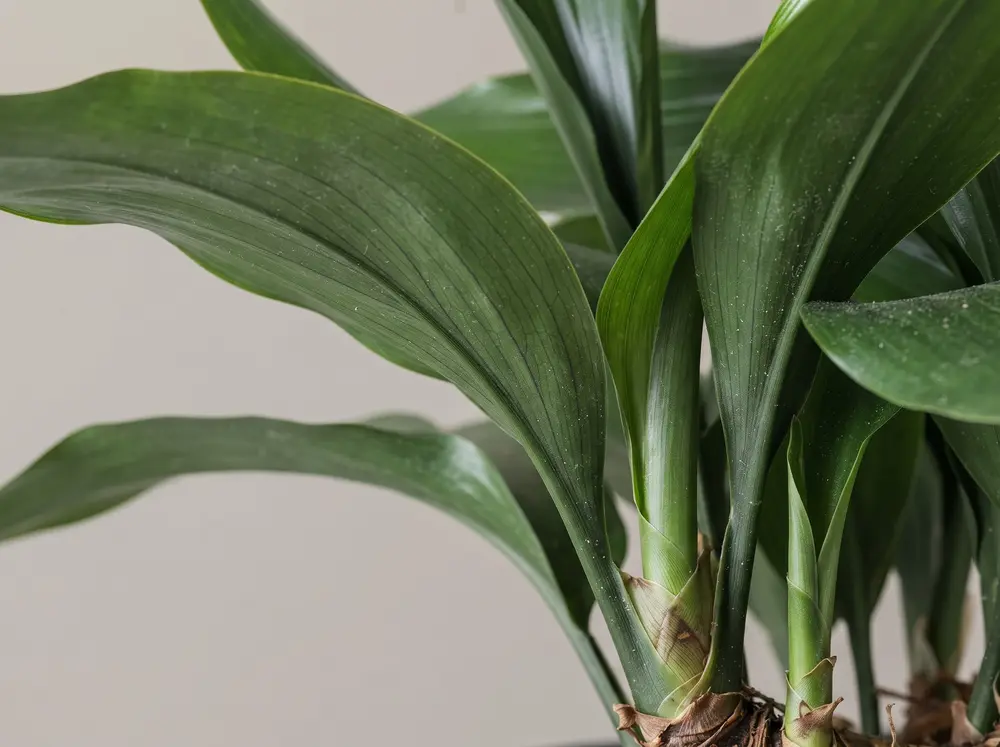
The cast iron plant (Aspidistra elatior) earned its reputation the honest way : it tolerates low light, irregular watering, and the normal ups and downs of indoor life better than most houseplants. It’s a slow grower with deep green, strap-like leaves that bring a calm, classic look to shady rooms and low-maintenance corners. It also works outdoors in warm regions as a tough, shade-loving landscape plant.
Below is everything you need to grow a cast iron plant that doesn’t just survive it looks good year-round
Care
Cast iron plant care is simple once you understand its personality : it’s shade-tolerant, not shade-dependent; it likes moisture, not wetness; and it prefers stable conditions.
Light
Cast iron plant is famous for low-light tolerance, but it grows best with more light than people assume.
- Best indoor light: medium to bright indirect light (think : close to a window, but not in direct sunbeams).
- It will tolerate low light, but growth slows and watering must be reduced accordingly.
- Keep it out of direct sun. Strong sunlight can wash out the color and scorch the leaves, leaving permanent brown patches.
Good placements :
- A few feet back from a bright south or west window (with the plant not in the sunbeam).
- Near an east or north window.
Soil
The key requirement is drainage. Cast iron plant isn’t picky about soil richness, but it does resent waterlogged roots.
- Indoors : a quality all-purpose potting mix works well if it drains freely.
- Outdoors : it can handle a range of native soils, including heavier soils, as long as the site doesn’t stay swampy.
If your potting mix stays wet for many days, lighten it with perlite/pumice or a bit of orchid bark to improve airflow around roots.
Water
This is where most cast iron plant problems begin not because it’s difficult, but because it’s easy to overdo.
Watering rule :
- Let the potting mix dry out noticeably before watering again.
A practical way to do it :
- Check the soil a couple inches down. If it’s still cool and damp, wait. If it’s dry at that depth, water thoroughly.
How to water :
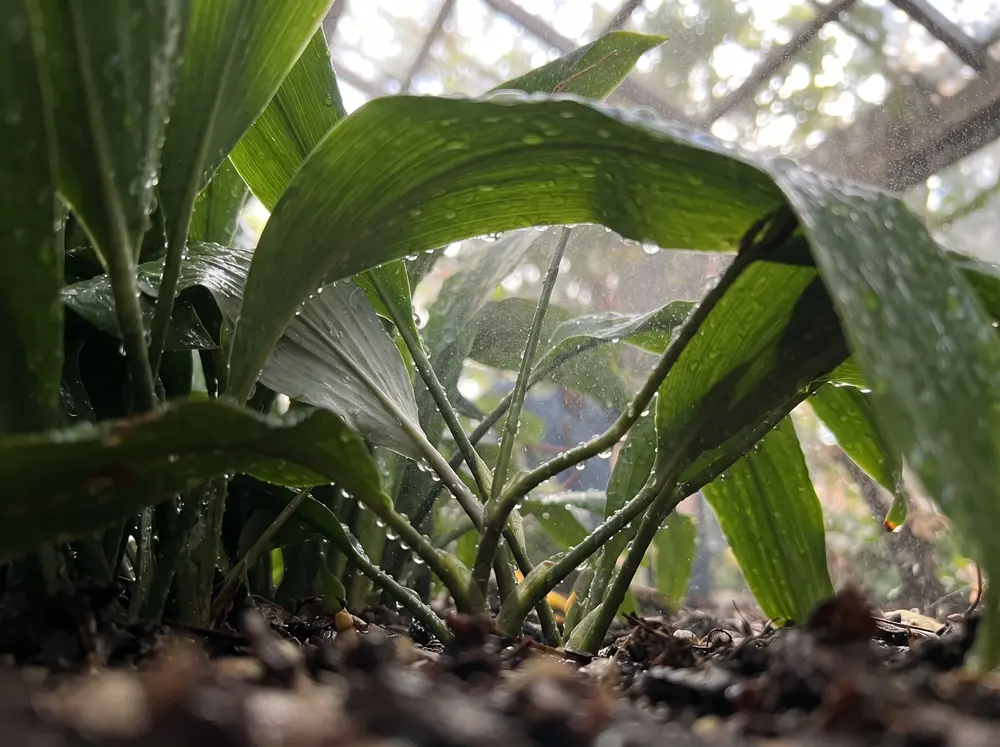
- Water until excess drains out the bottom, then discard runoff. Never let the pot sit in water.
Seasonal note :
- In fall and winter, most homes have lower light and plants grow more slowly. That usually means you’ll water less often than in spring and summer.
Temperature and humidity
Cast iron plants are comfortable in typical indoor temperatures and don’t demand high humidity.
- Ideal range : normal household conditions (roughly 60°F to 75°F).
- Avoid prolonged cold below about 50°F, especially outdoors in containers.
- Average indoor humidity is fine, but extremely dry air plus vent drafts can brown leaf tips.
Fertilizer
Cast iron plant doesn’t need heavy feeding. Too much fertilizer can cause stressed, weak growth and salt buildup in containers.
- Feed during active growth (spring and summer) about once a month with a balanced liquid fertilizer at a reduced strength, or use a slow-release fertilizer in spring.
- Pause feeding in fall and winter unless the plant is under strong grow lights and actively producing new leaves.
- Always water first, then fertilize never fertilize bone-dry soil.
Types
If you love the cast iron plant’s toughness but want more visual interest, look for variegated cultivars. These usually need a little more light to keep their patterns crisp.
Popular options include :
- Variegated forms with cream striping.
- Types with white-tipped leaves that develop their markings as they mature.
- Speckled “starry” varieties with dotted patterns.
- Cultivars with soft green or yellow striping for a brighter look in dim rooms.
Tip for variegated plants :
- If the plant starts pushing plain green leaves, it’s usually asking for more light.
Propagating
Division is the simplest and most reliable way to propagate cast iron plant. It also helps rejuvenate older clumps and create a fuller look over time.
Best time :
- Spring through early summer is easiest because the plant is naturally in growth mode, but division can work at other times if you keep conditions gentle.
How to propagate by division :
- Slide the plant out of its pot and gently loosen the outer soil so you can see the root mass and rhizomes.
- Find natural sections of the plant where leaves emerge from separate rhizome pieces.
- Separate a section by gently pulling apart, or use a clean knife/pruners to cut through stubborn rhizomes.
- Make sure each division has its own roots and at least a couple of healthy leaves.
- Pot each division into fresh, well-draining mix at the same depth it was growing before.
- Water once to settle the soil, then keep the mix lightly moist for a short adjustment period before returning to a normal dry-down routine.
Expect slow-but-steady establishment. Cast iron plant is not a “fast rebound” plant, but it is consistent once settled.
Growing in Pots
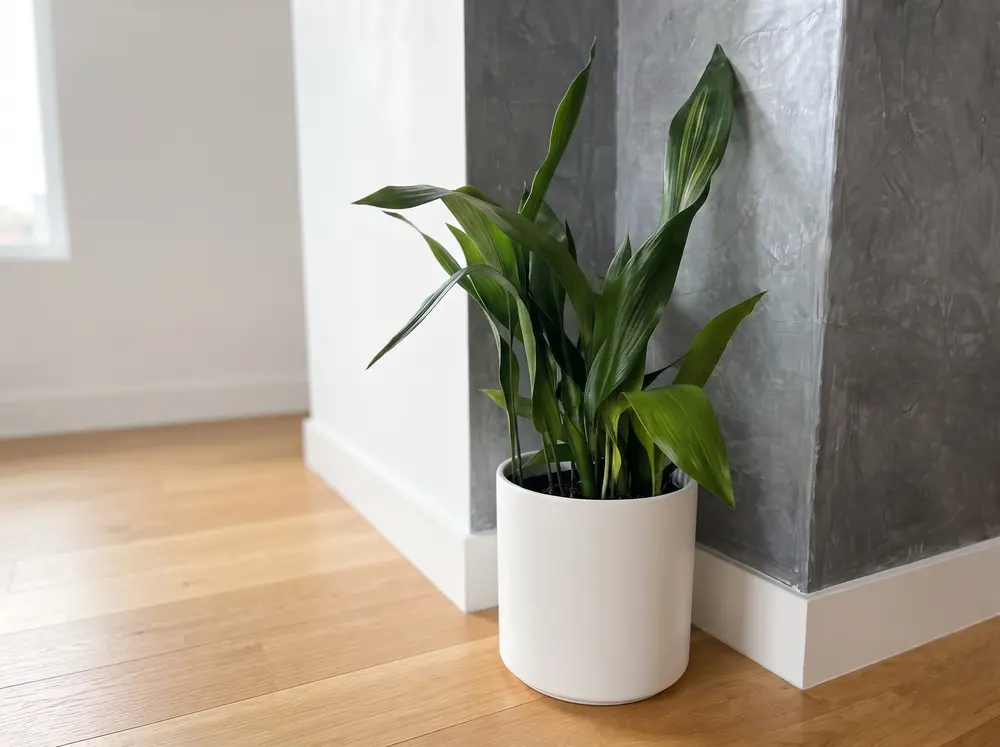
Growing cast iron plant in a container is where it shines especially in low-light homes, offices, and shaded patios.
Pot choice
- Choose a pot with drainage holes. This matters more than any special soil recipe.
- Go only slightly larger when repotting. A pot that is too big holds extra wet soil that roots can’t use quickly.
Repotting
Cast iron plant is slow-growing, so repotting is usually occasional rather than frequent.
Repot when :
- Roots begin circling the inside of the pot.
- Roots appear at the drainage holes.
- Water runs straight through quickly (indicating the pot is root-filled).
- The plant becomes top-heavy and unstable.
- Move up one pot size (not several).
- Refresh the soil with a free-draining mix.
- Keep the plant at the same soil level it was previously growing at.
- After repotting, water once thoroughly, then let it settle and avoid fertilizing for a few weeks.
In This Article
Pests and Diseases
Cast iron plant tends to be resilient, but indoor conditions can still invite a few common issues.
Common pests
- Scale (small bumps on leaves and stems)
- Spider mites (fine stippling and webbing, especially in very dry air)
What to do :
- Start by wiping leaves with a damp cloth and inspecting undersides.
- For small infestations, repeated wipe-downs can work.
- For larger infestations, use insecticidal soap or horticultural oil and repeat treatments as directed, since pests hatch in cycles.
Root rot (most common disease issue in pots)
Root problems almost always trace back to soil staying wet too long.
Warning signs :
- Yellowing leaves plus consistently damp soil
- Mushy stems at the base
- A sour smell from the potting mix
Fix :
- Let the soil dry more between waterings, confirm drainage, and consider repotting into a lighter mix if the current mix stays wet too long.
Common Issues
Even “hard to kill” plants give signals when something’s off. Here’s what cast iron plant symptoms usually mean.
Browning tips
Most often caused by inconsistent watering, salt buildup, or dry drafts.
Try this :
- Check watering habits first (don’t keep it wet, but don’t let it stay bone-dry for extended periods either).
- Flush the pot occasionally to remove excess salts if you fertilize or have hard water.
- Move the plant away from heating/cooling vents.
Leaves turning brown
Most commonly sun scorch or temperature stress.
Check :
- Is direct sun hitting it for even an hour? That can be enough to burn leaves.
- Is it near a cold window or drafty doorway?
Solution :
- Move it to bright shade/indirect light and stable temperatures. Damaged parts won’t turn green again, so focus on protecting new growth.
Drooping leaves
Often a dryness issue (or sometimes root stress if the soil is wet).
How to decide :
- If soil is dry at depth, water thoroughly.
- If soil is wet at depth, hold off watering and check drainage.
Very slow growth
This is normal in low light, but you can improve it.
To speed it up safely :
- Increase indirect light.
- Feed lightly only during active growth.
- Keep leaves clean so the plant can photosynthesize efficiently.
FAQ
Do cast iron plants need sun ?
They need light, but not direct sun. They tolerate low light well, yet they generally look better and grow more reliably in medium to bright indirect light.
Are cast iron plants safe for pets ?
Cast iron plant is commonly considered non-toxic to cats and dogs, making it a popular choice for pet households. (Still, it’s best to discourage chewing any plant material can cause stomach upset.)
Do cast iron plants like to be rootbound ?
They tolerate being slightly snug in a pot, but they shouldn’t stay severely rootbound forever. Repot when roots crowd the pot or begin circling heavily.
Where is the best place to put a cast iron plant indoors ?
A spot with steady indirect light is ideal : near an east or north window, or a few feet back from a bright south/west window where it won’t receive direct sunbeams.