Beginner Houseplants That Are Hard to Kill : A Room-by-Room Guide Based on Light (Not Luck)
By Ashley Chalmers | Published on July 28, 2026
Key Takeaways
- The easiest houseplants aren’t “magic” they’re plants that match your light level and forgive imperfect watering.
- If you do nothing else: use a pot with drainage, water only when the soil is dry at depth, and don’t jump to a much bigger pot “to help it grow.”
- Many popular beginner plants are toxic to pets if chewed. If that matters in your home, choose from the pet-safer list below.
In This Article
Step 1 : Figure Out Your Light in 2 Minutes
Stand where you want the plant at midday and look at the shadow your hand makes on a sheet of paper or tabletop :
- Strong light / some direct sun : sharp shadow edges → good for succulents and sun lovers.
- Bright indirect light : clear shadow but soft edges → best “general houseplant” zone.
- Low light : weak, fuzzy shadow → choose true low-light tolerant plants or add a grow light.
Reality check : Most “any room” claims assume the room has a usable window. If your space is dim most of the day, pick a low-light tolerant plant or use an inexpensive grow light on a timer.
Step 2 : Know Your Watering Personality
Be honest this is what makes plant care simple.
If you tend to overwater
Pick plants that store water in leaves/stems and prefer drying out :
- Snake plant
- ZZ plant
- Jade plant
- Aloe
If you tend to forget to water
Pick plants that “tell you” when thirsty or tolerate mild drought without collapsing :
- Pothos
- Heartleaf philodendron
- Cast iron plant
- Spider plant
The Best “Survivor” Houseplants by Room (With Practical Care Notes)
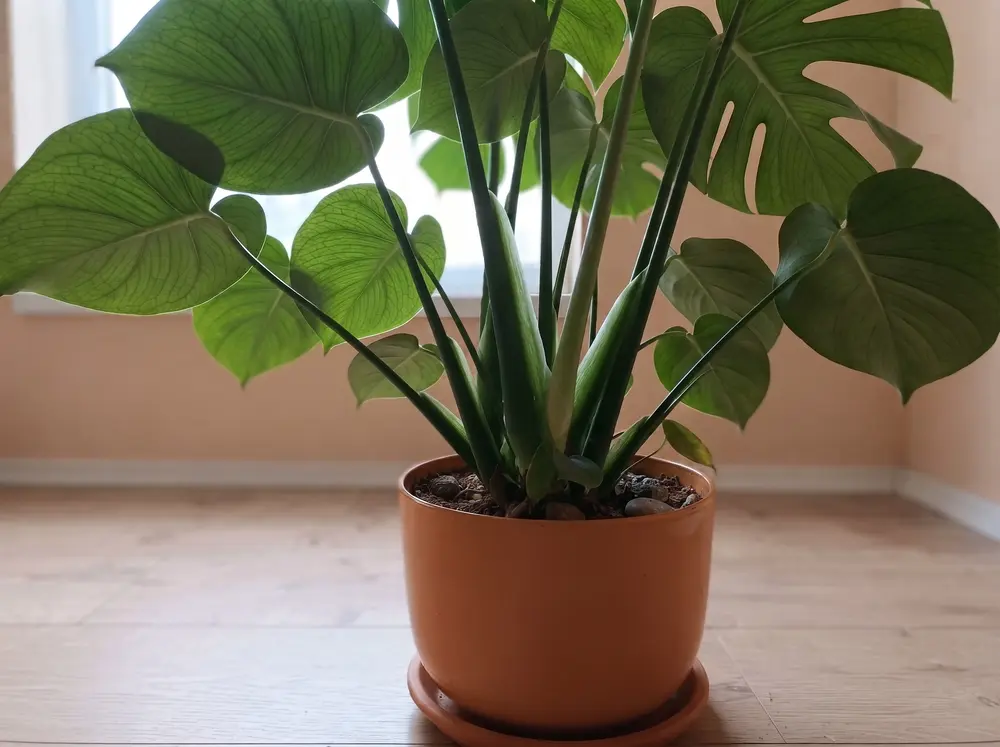
1) Best for the entryway or hallway (often low light) : Cast Iron Plant (Aspidistra)
Why it’s hard to kill : Handles low light, irregular watering, and temperature swings better than most.
- Light : low to medium (avoid harsh direct sun)
- Water : when top half of pot dries; it prefers “slightly dry” over “constantly damp”
- Watch-outs : growth is slow slow doesn’t mean unhappy.
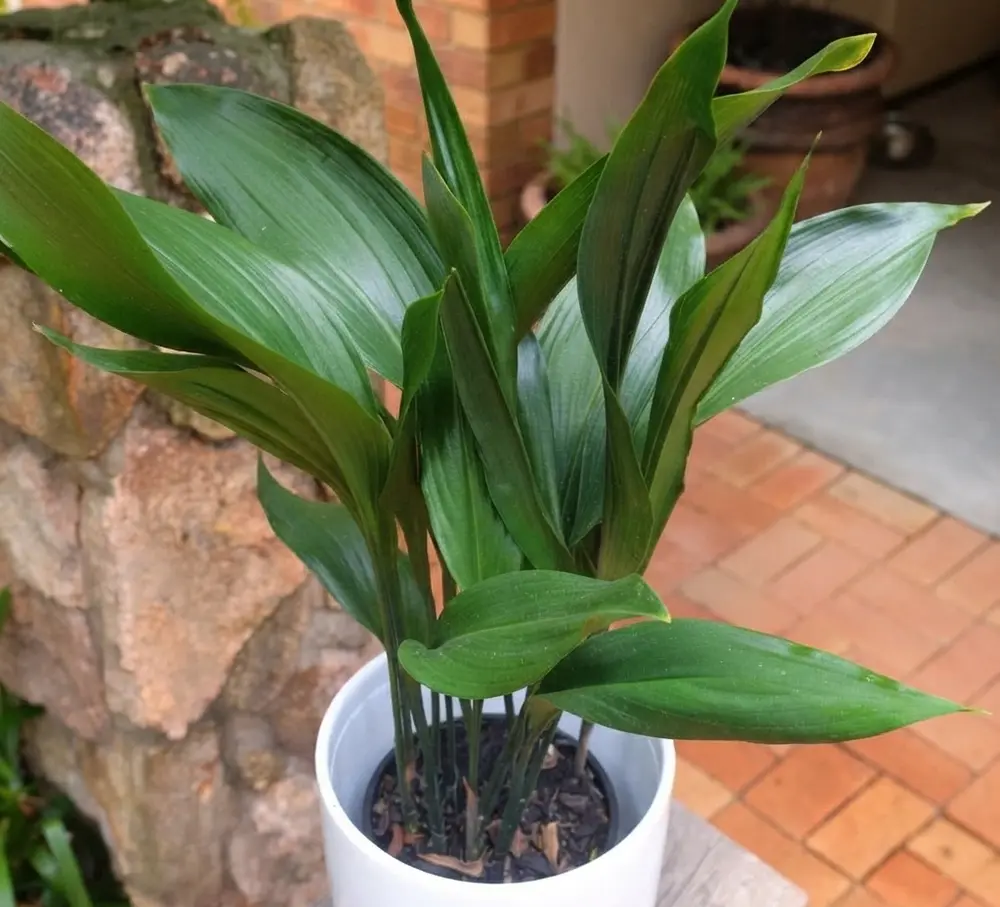
2) Best for the living room (bright indirect) : Pothos (Epipremnum aureum)
Why it’s hard to kill : Forgives missed waterings and adapts to different light levels.
- Light : low to bright indirect (faster growth in brighter light)
- Water : when top 2 inches are dry
- Extra value : extremely easy to propagate from cuttings
- Watch-outs : toxic if chewed by pets.
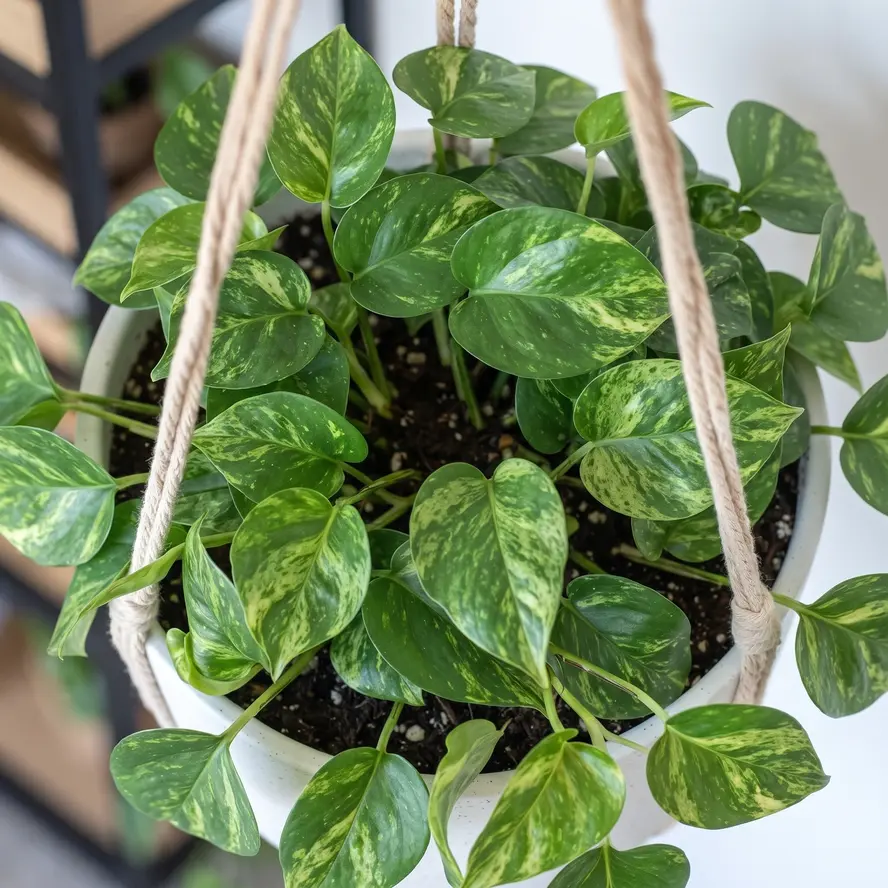
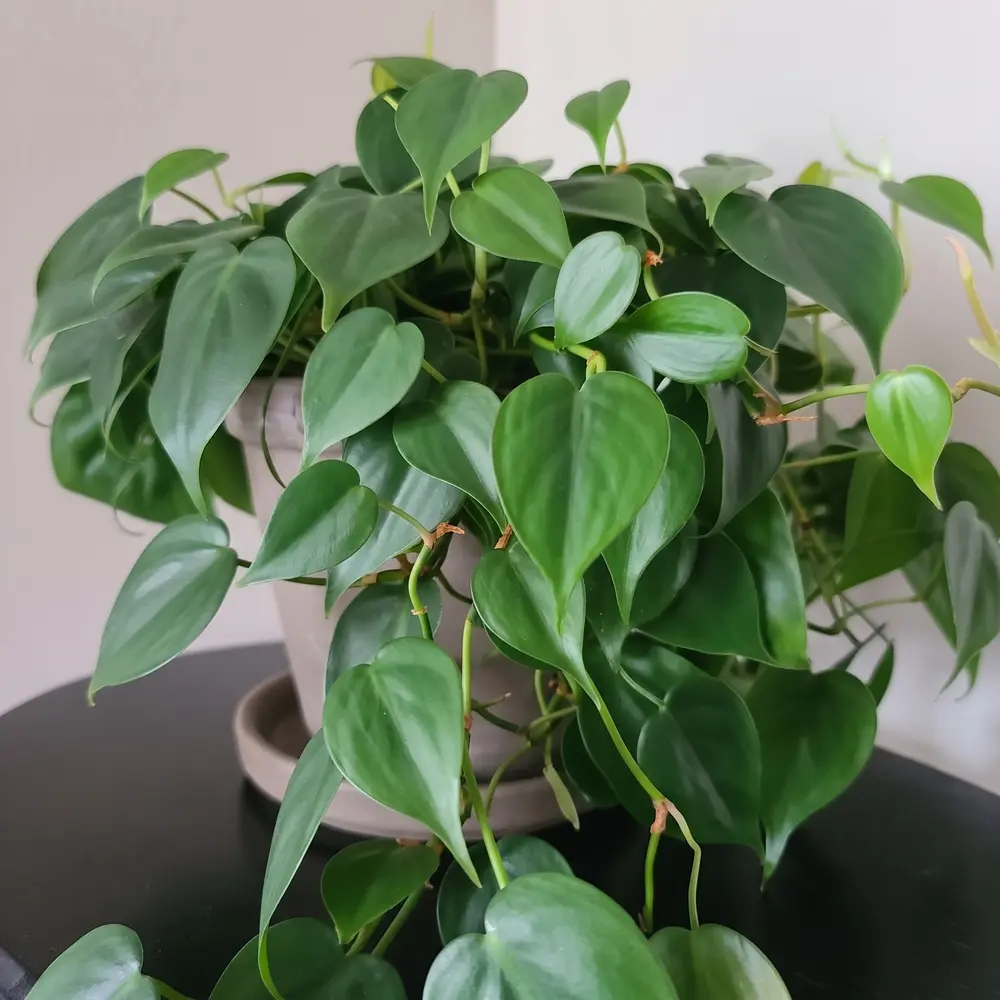
3) Best for a high shelf or hanging spot : Heartleaf Philodendron (Philodendron hederaceum)
Why it’s hard to kill : Similar toughness to pothos, but often tolerates indoor life with less drama.
- Light : medium to bright indirect
- Water : when top 1–2 inches dry
- Watch-outs : also toxic if chewed (pet homes should place out of reach).
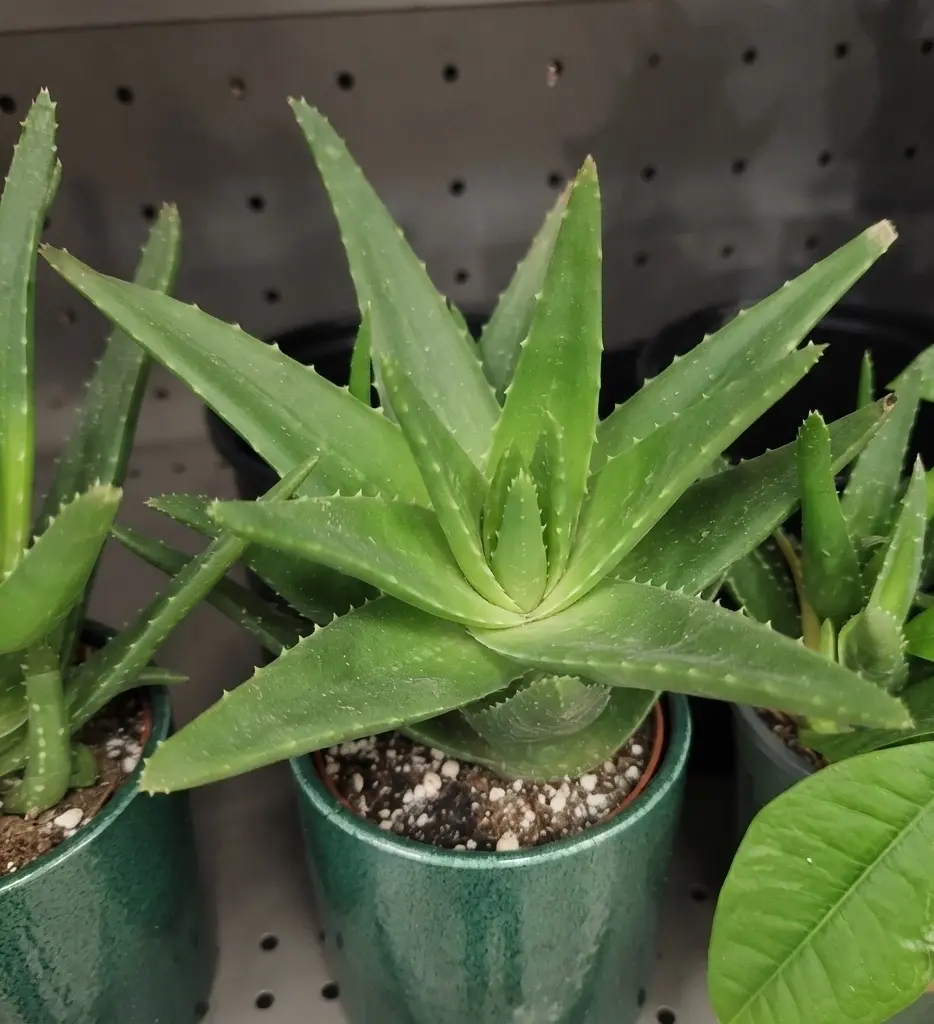
4) Best for the kitchen (warmth + brighter window) : Aloe vera
Why it’s hard to kill : Stores water; prefers neglect over “help”
- Light : bright light; a few hours of sun is ideal
- Water : only when fully dry; less in winter
- Soil : cactus/succulent mix + a pot with drainage
- Watch-outs : overwatering is the #1 killer.
If you want something edible in the kitchen: herbs can be great, but they’re not “nearly impossible to kill” unless you have strong sun or a grow light. Aloe is a better true-beginner choice.
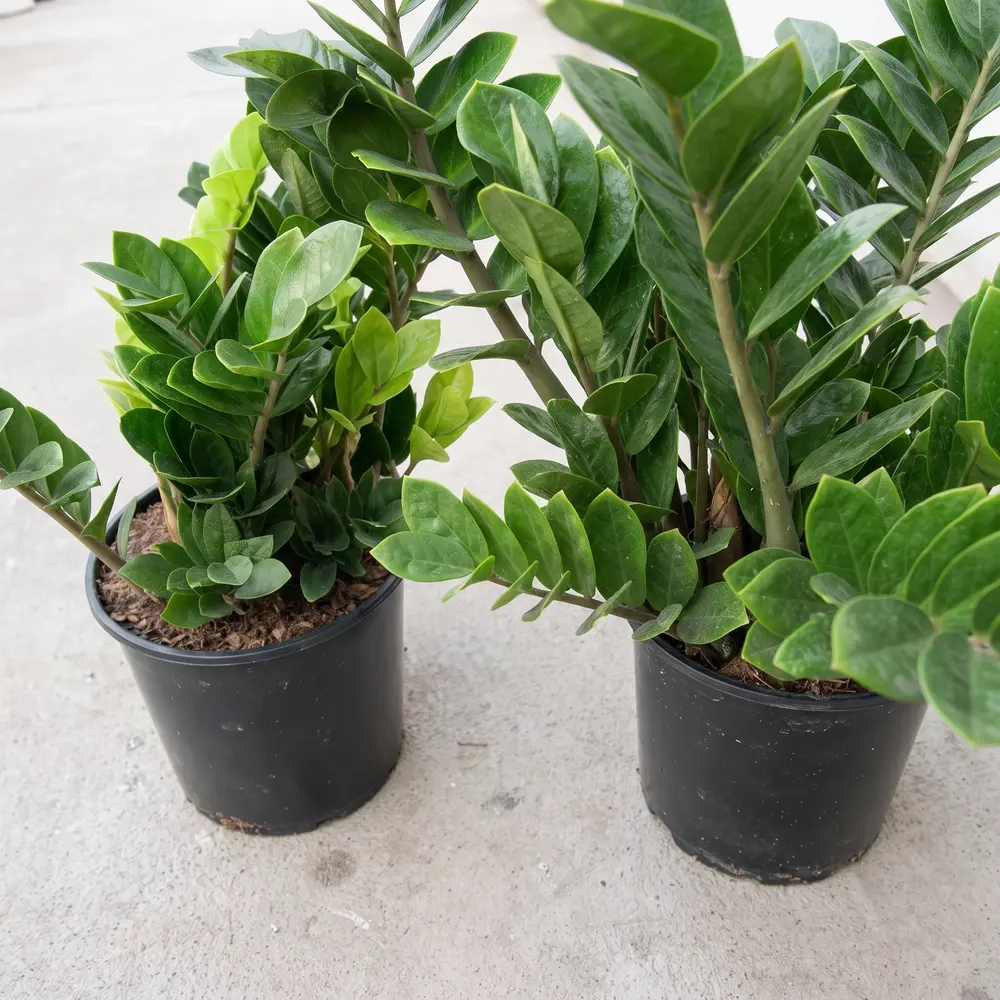
5) Best for the bedroom (low-maintenance, calmer look) : ZZ Plant (Zamioculcas zamiifolia)
Why it’s hard to kill : Thick rhizomes store water; tolerates low light and missed watering.
- Light : low to bright indirect
- Water : let soil dry most of the way, then water thoroughly and drain
- Watch-outs : toxic if chewed; also slow-growing (especially in low light).
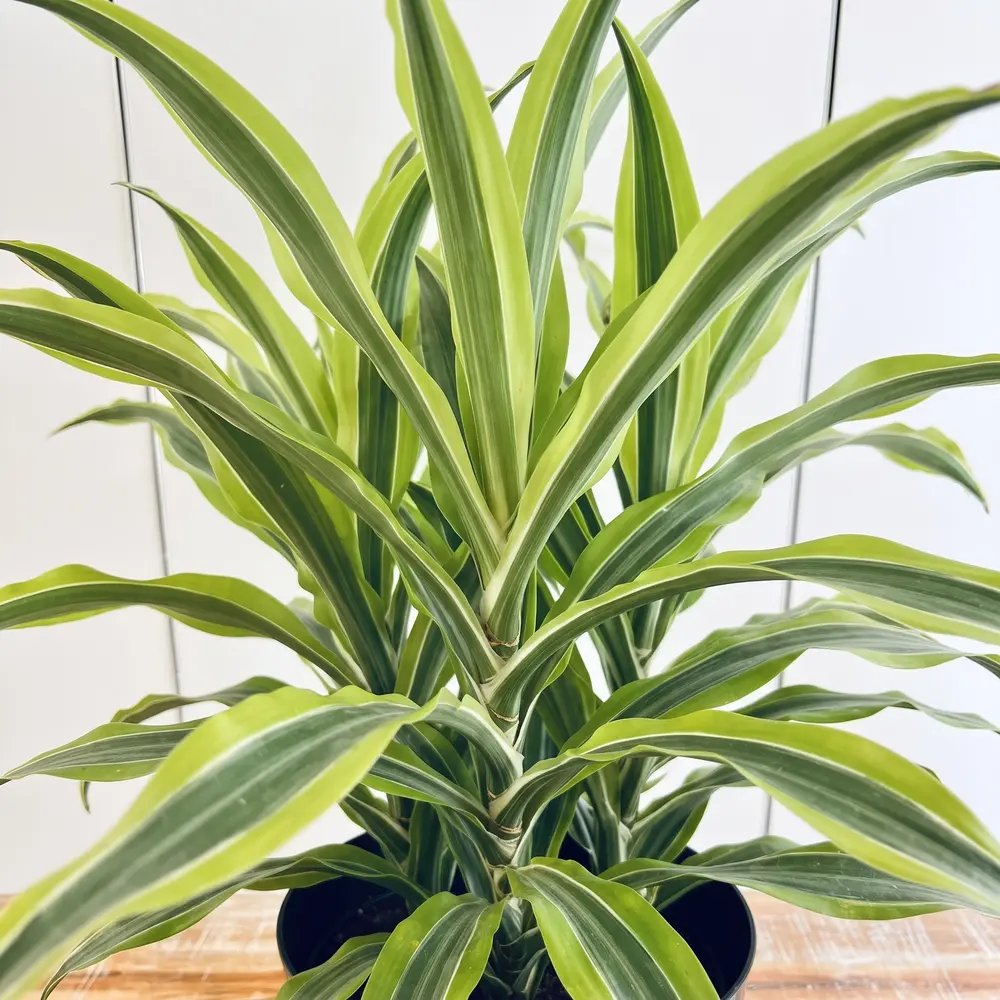
6) Best for the home office (easy, upright, doesn’t shed) : Dracaena (e.g., ‘Janet Craig’)
Why it’s hard to kill : Tough, architectural, tolerates medium light and inconsistent watering.
- Light : medium to bright indirect
- Water : when top half dries (they dislike soggy soil)
- Watch-outs : sensitive to overwatering; toxic to pets.
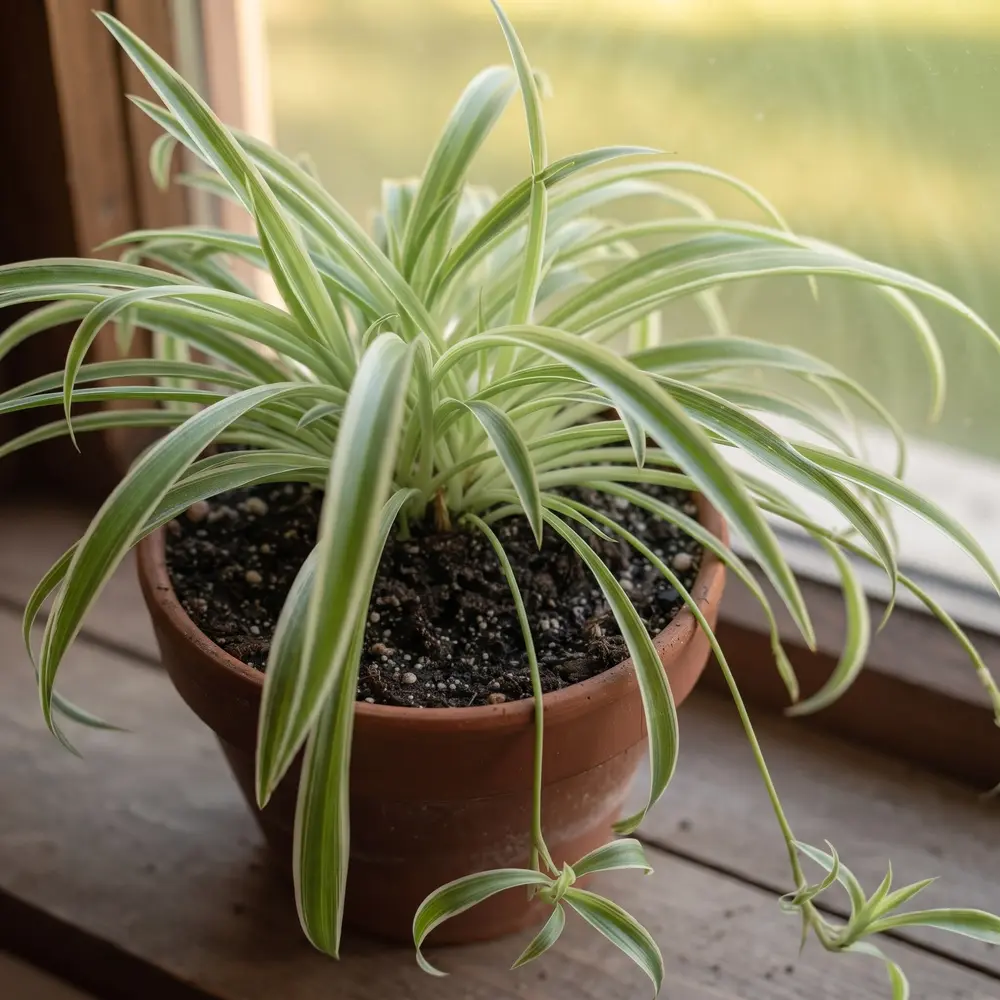
7) Best for the bathroom (humidity + medium light) : Spider Plant (Chlorophytum comosum)
Why it’s hard to kill : Forgiving, fast, and handles humidity well.
- Light : medium to bright indirect (tolerates lower light)
- Water : when top 1–2 inches dry
- Bonus: produces “pups” you can replant
- Watch-outs : in very low light, growth slows.
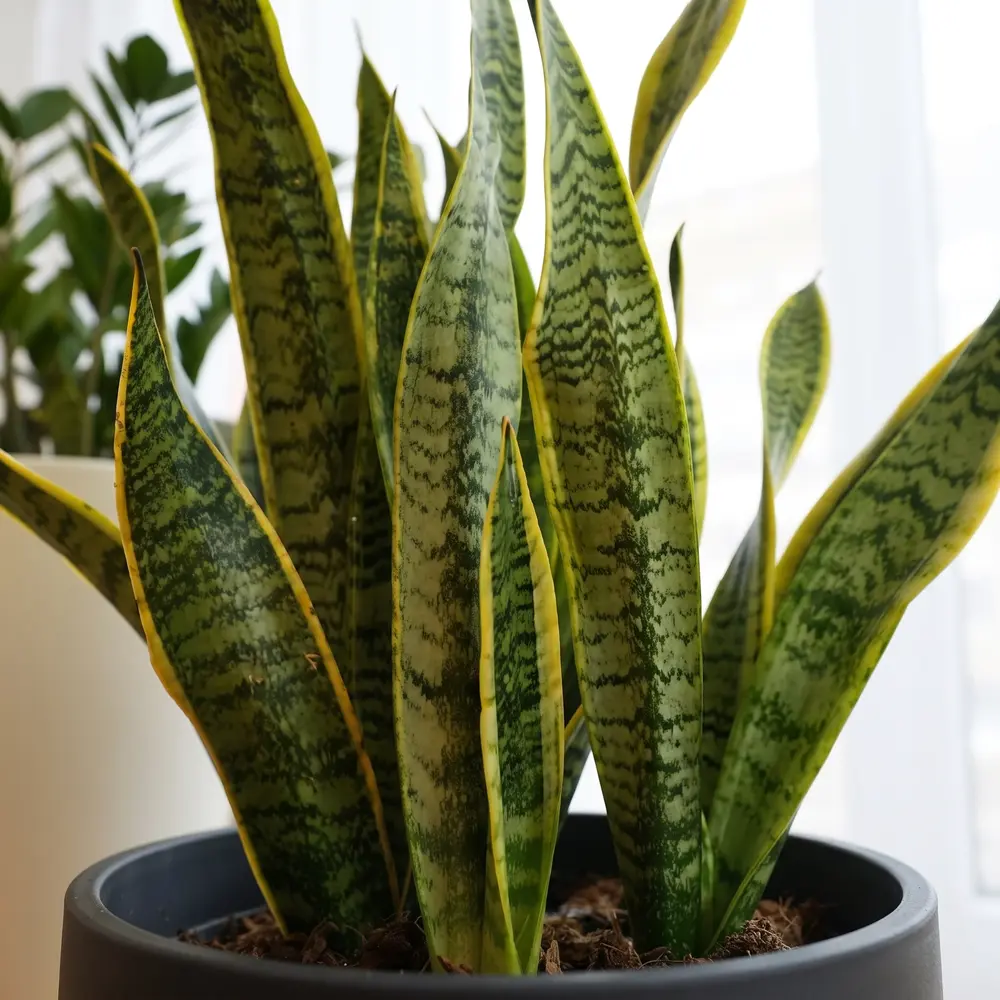
8) Best for the guest room (you might forget it exists) : Snake Plant (Dracaena/Sansevieria)
Why it’s hard to kill : One of the best plants for “water sometimes, not often”
- Light : low to bright indirect; some sun tolerated if acclimated
- Water : only when soil is fully dry (especially in low light)
- Watch-outs : overwatering in low light leads to rot; toxic if chewed.
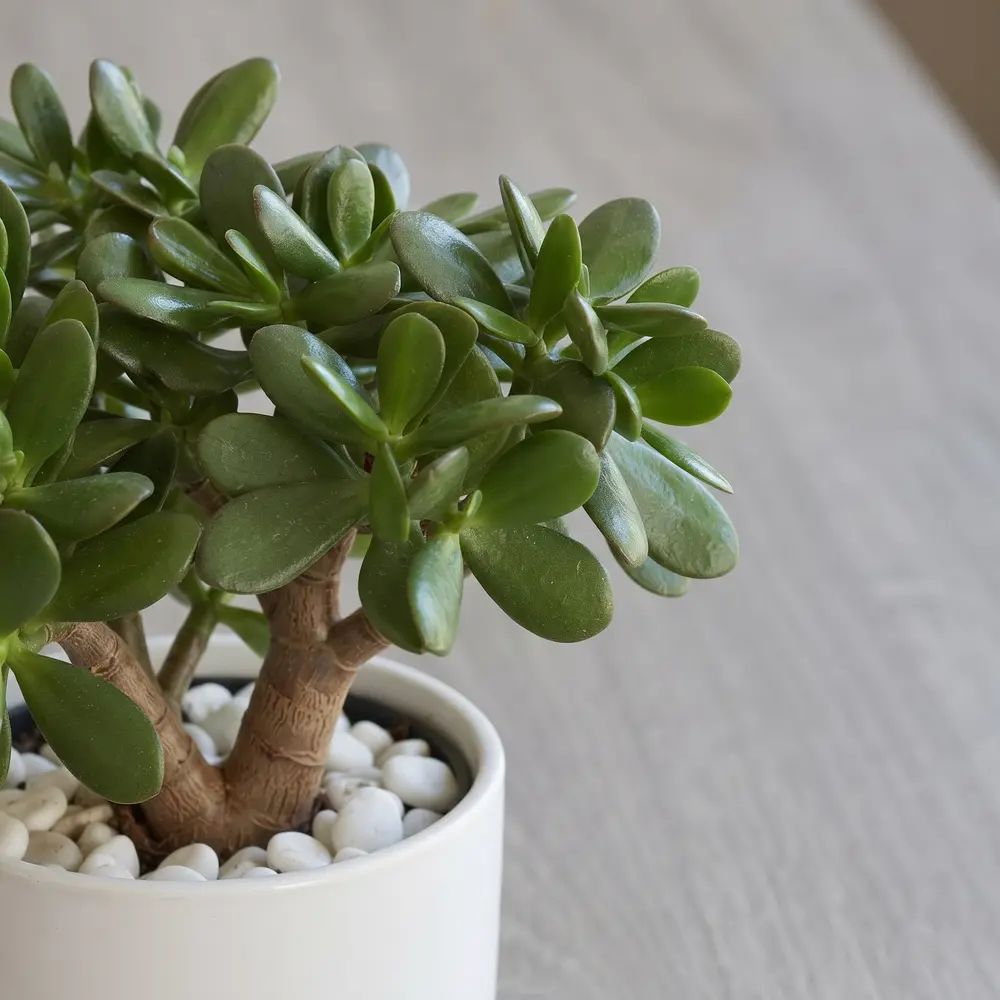
9) Best for a bright window that gets some sun : Jade Plant (Crassula ovata)
Why it’s hard to kill: Stores water and thrives with sun. Great for people who love “desert-style” care.
- Light : bright light; some direct sun preferred
- Water : soak, then allow to dry completely
- Watch-outs : leggy growth means it needs more light; too much water causes leaf drop.
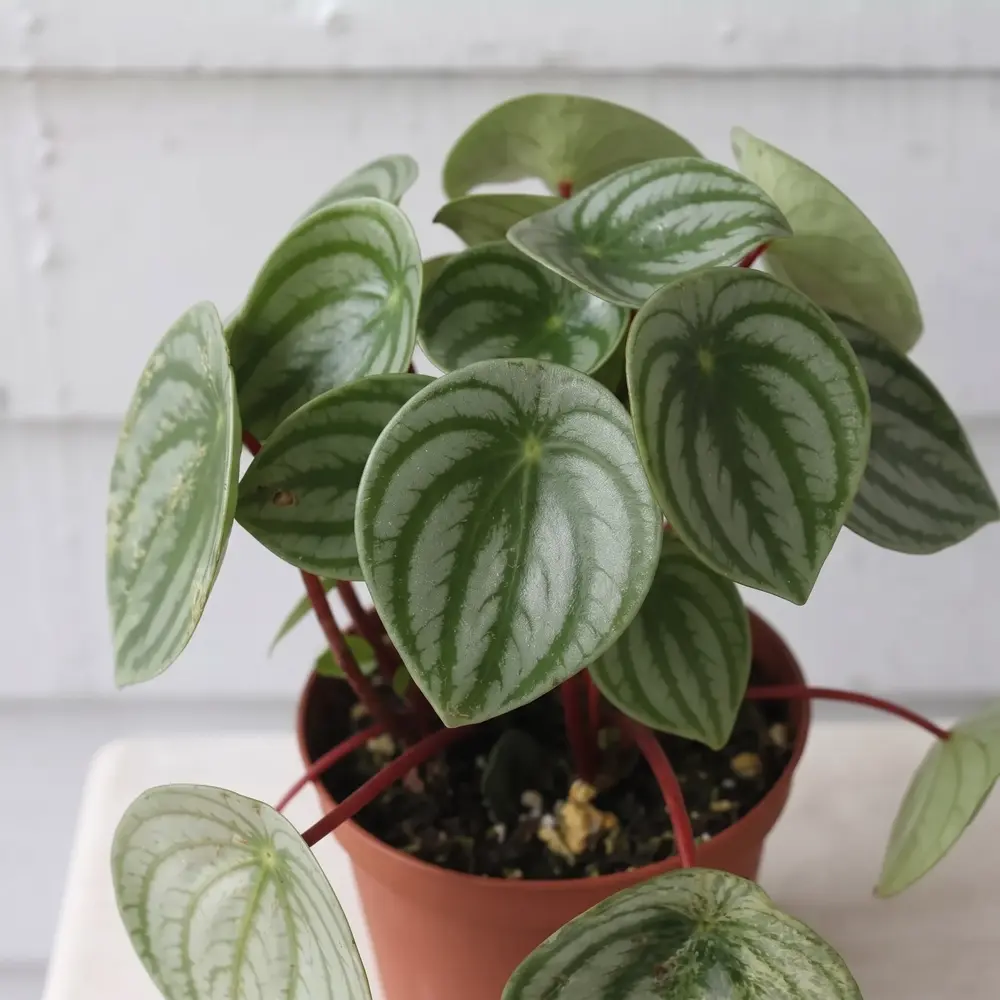
10) Best for a stylish tabletop (compact, forgiving) : Peperomia (many varieties)
Why it’s beginner-friendly : Smaller root systems, less thirst, and many types tolerate indoor conditions well.
- Light : medium to bright indirect
- Water : when top half of soil dries
- Watch-outs : don’t keep constantly wet; pick varieties that suit your light (ask at purchase).
Pet- and Kid-Safer Picks (Lower Risk if Chewed)
If pets or toddlers are likely to nibble, focus on plants commonly considered safer choices :
- Spider plant
- Cast iron plant
- Parlor palm (Chamaedorea elegans) (slow, tolerant, classic)
- Many peperomias
(Still, it’s smart to confirm safety for your household and keep plants out of reach—any plant material can cause stomach upset.)
The 5 Rules That Keep Any Beginner Plant Alive
- Drainage always wins. Use pots with holes; don’t let pots sit in water.
- Water by dryness, not by schedule. Check soil 2 inches down (or deeper in big pots).
- Don’t “pot up” too big. Move up 1–2 inches wider at most oversized pots stay wet and rot roots.
- Light controls watering. Lower light = slower drying = water less often.
- Don’t fertilize a struggling plant. Fix light/water first; feed only when it’s actively growing.
FAQs
What’s the single easiest plant for beginners ?
For most homes : pothos (if pets won’t chew it) or spider plant (more pet-friendly). For chronic overwaterers : snake plant or ZZ.
Can these plants really thrive in any room ?
They tolerate a lot, but “any room” usually isn’t true without a window or a grow light. In very dim spaces, add a small grow light on a timer and your options expand massively.
Why do “easy plants” still die ?
Most beginner losses come from overwatering + low light + no drainage a combo that keeps soil wet and suffocates roots.