What's Wrong With My Plant ? How to Fix 10 Common Houseplant Problems
By Ashley Chalmers | Published on July 28, 2026
Key Takeaways
- Most houseplant issues come from four root causes : watering errors, light mismatch, pests, or root/soil problems. Symptoms overlap so confirm before treating.
- The fastest way to a correct diagnosis is a 5-minute checkup : inspect pests, test soil moisture at depth, assess light, and (if needed) check roots.
- “Fixing it fast” usually means one correct change, not five changes at once. Sudden, repeated adjustments create more stress than the original problem.
In This Article
The 5-Minute Houseplant Checkup (Before You Do Anything)
Do these in order this prevents most wrong diagnoses.
1) Check for pests (30 seconds)
Look at :
- Leaf undersides
- Leaf joints and stems
- New growth tips
Tools : bright flashlight + magnifying glass (or phone camera zoom).
If you see insects, webbing, cottony fuzz, or sticky residue, quarantine the plant immediately.
2) Check soil moisture below the surface (60 seconds)
Topsoil lies. Push a finger or skewer 2–3 inches down (more for large pots).
- Wet/cool at depth = don’t water
- Dry at depth = likely needs water
- Wet + smells sour = possible root trouble
3) Check the pot and drainage (30 seconds)
- Does the pot have drainage holes?
- Is water collecting in a decorative cachepot?
- Is the soil compacted and pulling away from the pot edge?
4) Check light (60 seconds)
- Is the plant right against hot afternoon sun?
- Or is it several feet back in a dim room?
A simple clue: if the plant’s soil stays wet for a long time, it may be in too little light for its current watering routine.
5) Only if problems persist : check roots (2 minutes)
Slip the root ball out carefully :
- Healthy roots : firm, pale/cream/tan
- Unhealthy roots : brown/black, mushy, foul-smelling
Root condition decides whether you adjust care or repot.
10 Common Houseplant Problems (and the Correct Fix)
1) Leaves are curling or taco-ing
Likely causes
- Heat stress / low humidity
- Underwatering
- Sap-sucking pests (aphids, thrips, mites)
Confirm
- Soil dry at depth? (underwatering)
- Very warm window or near a vent? (heat stress)
- Tiny specks, silvery scarring, or webbing? (pests)
Fix
- Move away from vents and harsh sun; keep temps stable.
- Water thoroughly if dry, then return to a consistent dry-down cycle.
- If pests : rinse plant, then treat with insecticidal soap/horticultural oil, repeating weekly for 3–4 rounds.
2) Older leaves turn yellow and drop
Likely causes
- Normal aging (especially if only 1–2 leaves at a time)
- Underfeeding (nitrogen often shows on older leaves first)
- Rootbound plant reducing uptake
Confirm
- New growth looks healthy ? Aging is likely.
- No fertilizer for months + pale plant overall ? Nutrient issue.
- Roots circling densely ? Rootbound.
Fix
- If normal aging : remove the yellow leaf and continue care.
- If underfeeding : feed lightly during active growth with a balanced fertilizer.
- If rootbound : pot up one size or repot in fresh mix.
3) Many leaves turn yellow at once (plant looks “tired”)
Likely causes
- Overwatering / low oxygen to roots
- Poor drainage or oversized pot
- Early root rot
Confirm
- Soil stays wet for days; pot feels heavy.
- Musty smell or fungus gnats.
- Roots dark/mushy if inspected.
Fix
- Stop watering until the mix dries appropriately.
- Improve drainage (holes, better soil, correct pot size).
- If rot is present: trim dead roots and repot into fresh, airy mix.
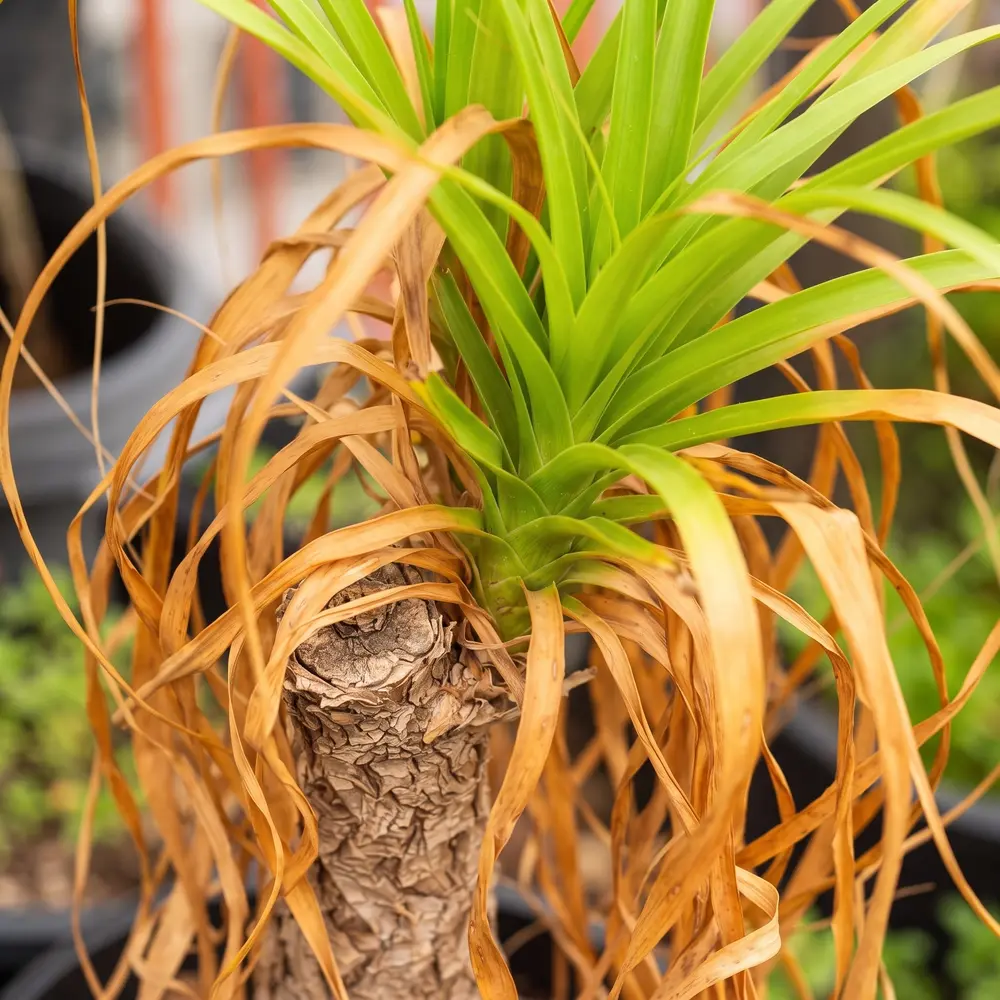
4) Brown, crispy leaf tips
Likely causes
- Dry indoor air + inconsistent watering
- Salt/mineral buildup (fertilizer or hard water)
- Roots stressed (compact soil, poor watering habits)
Confirm
- White crust on soil or pot rim = salts.
- Tips crisp but soil often bone-dry between waterings = inconsistency.
- Humidity very low (common in heated winter homes).
Fix
- Water more evenly (don’t “sip”; fully soak then let drain).
- Flush salts : run water through the pot for a few minutes, drain well.
- Consider filtered/rain water for sensitive plants; reduce fertilizer strength.
5) Leaves are limp/wilting but soil is wet
Likely causes
- Roots can’t breathe (overwatering, compact mix)
- Root rot
- Sudden cold draft shock
Confirm
- Wet soil + droop = root oxygen problem, not thirst.
- Check for cold window exposure at night or AC drafts.
Fix
- Improve airflow and light (within plant tolerance).
- Let soil dry more between waterings.
- If rot suspected, repot and remove damaged roots.
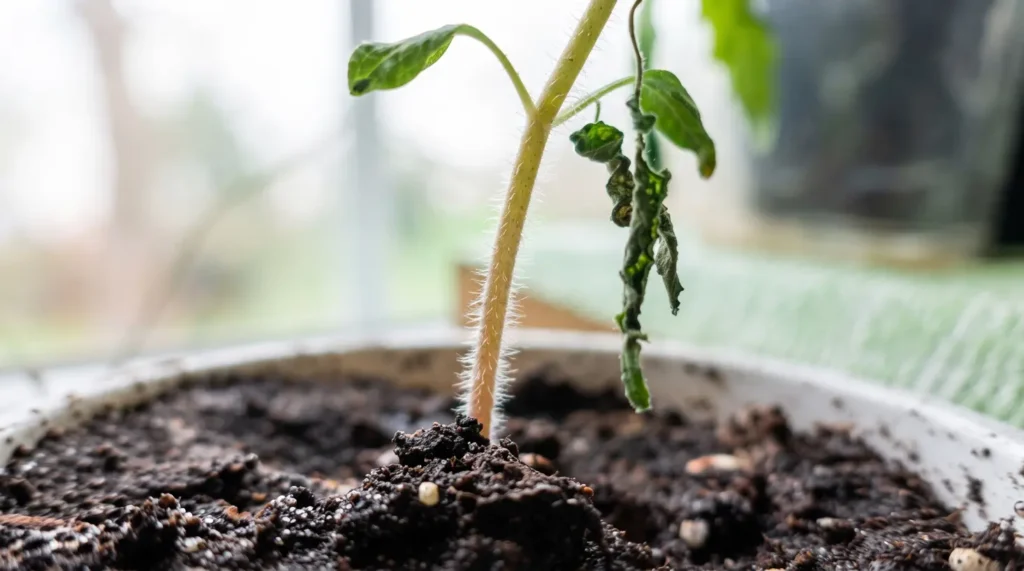
6) Leaves are limp/wilting and soil is dry
Likely causes
- Underwatering
- Hydrophobic potting mix (water runs through without soaking)
Confirm
- Pot feels very light; soil pulls away from pot edges.
- Water runs straight out quickly.
Fix
- Rehydrate properly : bottom-soak the pot 20–30 minutes, then drain.
- After recovery, water when the plant reaches its normal dry point not on a fixed calendar.
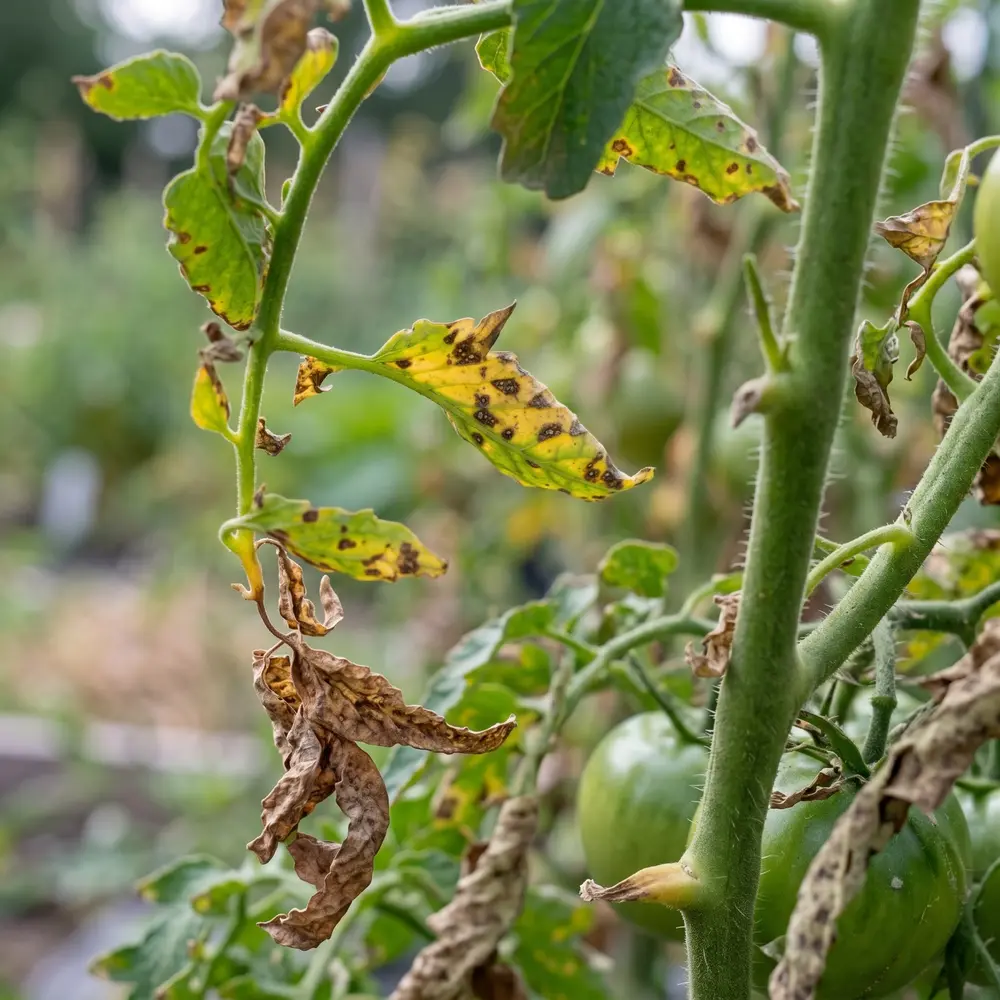
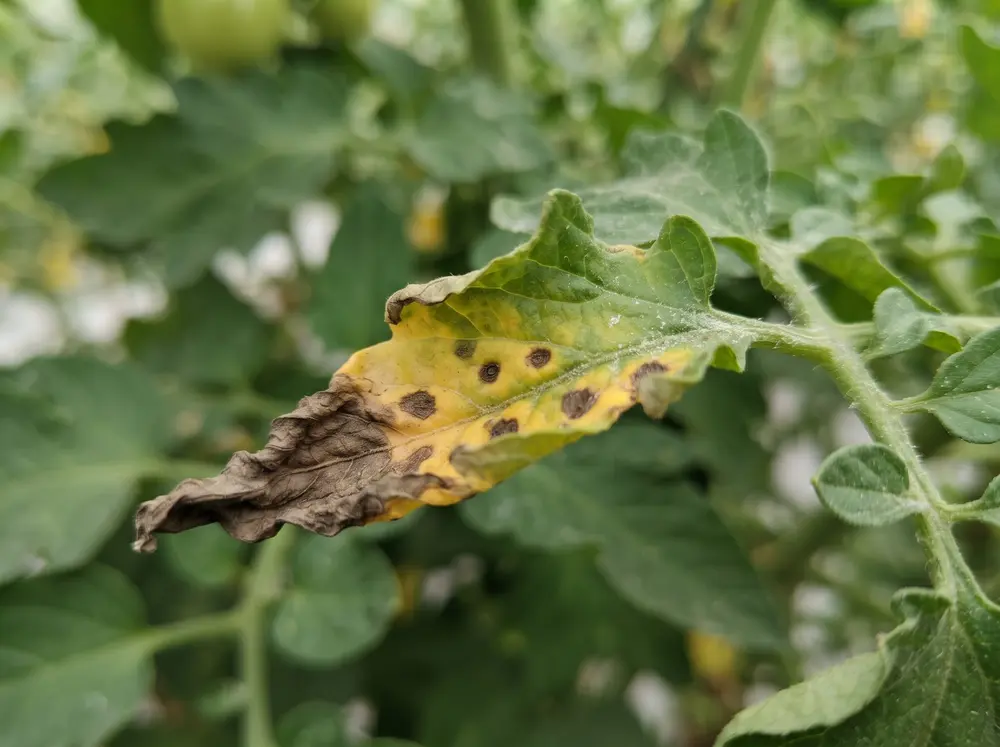
7) Brown spots with yellow halos (or spreading patches)
Likely causes
- Leaf-spot diseases (fungal/bacterial), often from wet leaves + poor airflow
- Sometimes sunburn can mimic spotting
Confirm
- Spots increase over time, especially after misting or overhead watering.
- Leaves stay wet for long periods; plant is crowded.
Fix
- Stop wetting foliage; water at soil level.
- Increase airflow; remove heavily damaged leaves.
- If it continues: treat with an appropriate fungicide and isolate the plant.
8) Bleached patches or “scorched” areas facing the window
Likely causes
- Too much direct sun (especially sudden exposure)
- Heat buildup near glass
Confirm
- Damage is on the window-facing side.
- Happened after moving the plant to a brighter spot.
Fix
- Move back 1–3 feet or use a sheer curtain.
- Acclimate gradually over 7–14 days when increasing light.
9) Sticky leaves or shiny residue on surfaces below the plant
Likely causes
- Honeydew from pests: aphids, scale, mealybugs, whiteflies
Confirm
- Look for scale bumps on stems, cottony clusters, or tiny insects.
- Ants sometimes appear (they feed on honeydew).
Fix
- Quarantine.
- Rinse plant thoroughly.
- Treat with insecticidal soap or horticultural oil; repeat weekly.
- For scale/mealybugs: wipe with cotton swab + diluted alco
10) Fine webbing, dusty leaves, tiny pale speckles
Likely causes
- Spider mites (common in dry indoor air)
Confirm
- Webbing between petioles; stippled leaf surface.
- Tap a leaf over white paper tiny moving dots may appear.
Fix
- Rinse plant well (especially undersides).
- Increase humidity and airflow.
- Treat repeatedly (mites require multiple rounds).
When to Repot vs When to Leave It Alone
Repot when :
- Roots are circling densely and water runs straight through
- Soil stays wet too long and is compacted
- You suspect root rot (emergency repot)
- There’s persistent pest/disease contamination in the potting mix
Don’t repot (yet) when :
- The plant is simply adjusting to seasonal light changes
- You changed location recently and it’s mildly sulking
- The plant is dormant and not in distress (wait for growth season)
Prevention : The “Healthy Houseplant” Routine That Prevents 80% of Problems
- Quarantine new plants for 2 weeks.
- Water by soil dryness at depth, not by schedule.
- Match light to plant type, and remember winter light is weaker.
- Use pots with drainage; don’t let plants sit in water.
- Inspect leaf undersides weekly—catch pests early.
- Feed lightly during active growth; avoid heavy fertilizer in low light.
FAQs
Why do different problems look the same (yellowing, drooping) ?
Because many stresses reduce nutrient and water movement. The fix depends on what’s causing the stress—use the checkup steps to confirm.
Should I cut off damaged leaves ?
If a leaf is mostly damaged, remove it. If it’s partly green and the plant is struggling, leaving it temporarily can help the plant keep photosynthesizing.
What’s the fastest “first move” when I’m unsure ?
Don’t fertilize. First check pests and soil moisture at depth. Wrong fertilizer at the wrong time can worsen stress.