How to Grow a Thriving Zebra Plant Indoors
By David Sullivan | Published on August 03, 2026
Key Takeaways
- Calathea zebrina thrives on consistency : steady humidity, evenly moist (never soggy) soil, and bright, filtered light. Sudden swings cause most of its problems.
- Water quality matters more with this plant than with most houseplants mineral-heavy or heavily treated tap water often shows up as crispy brown edges.
- It’s a slow, deliberate grower. Judge your success by healthy new leaves unfurling, not by speed.
In This Article
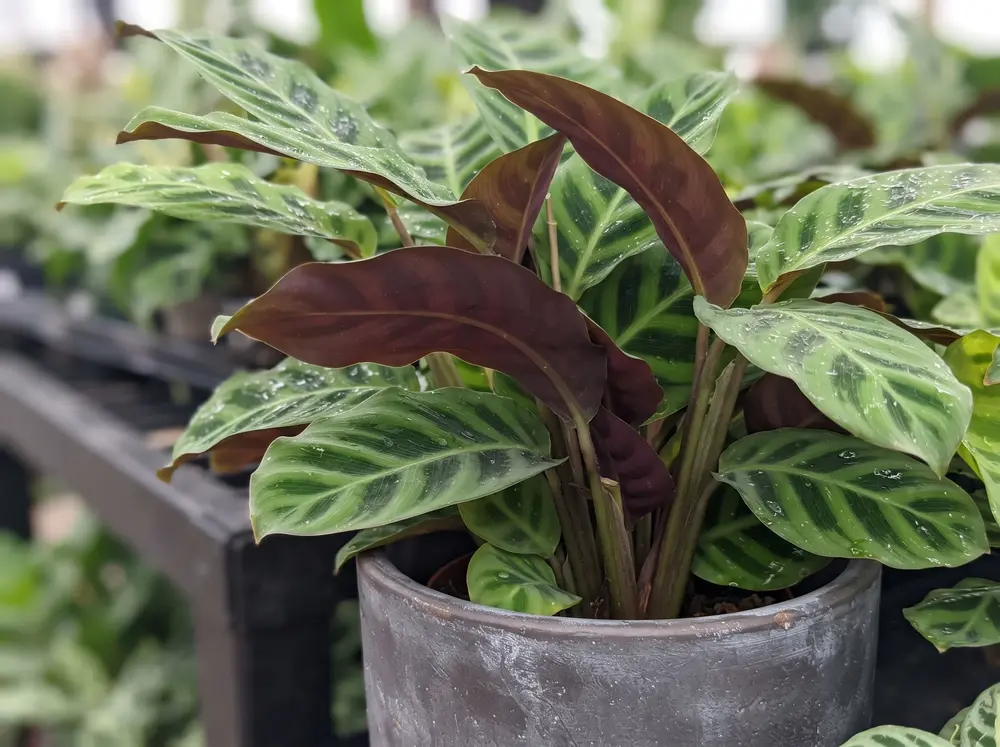
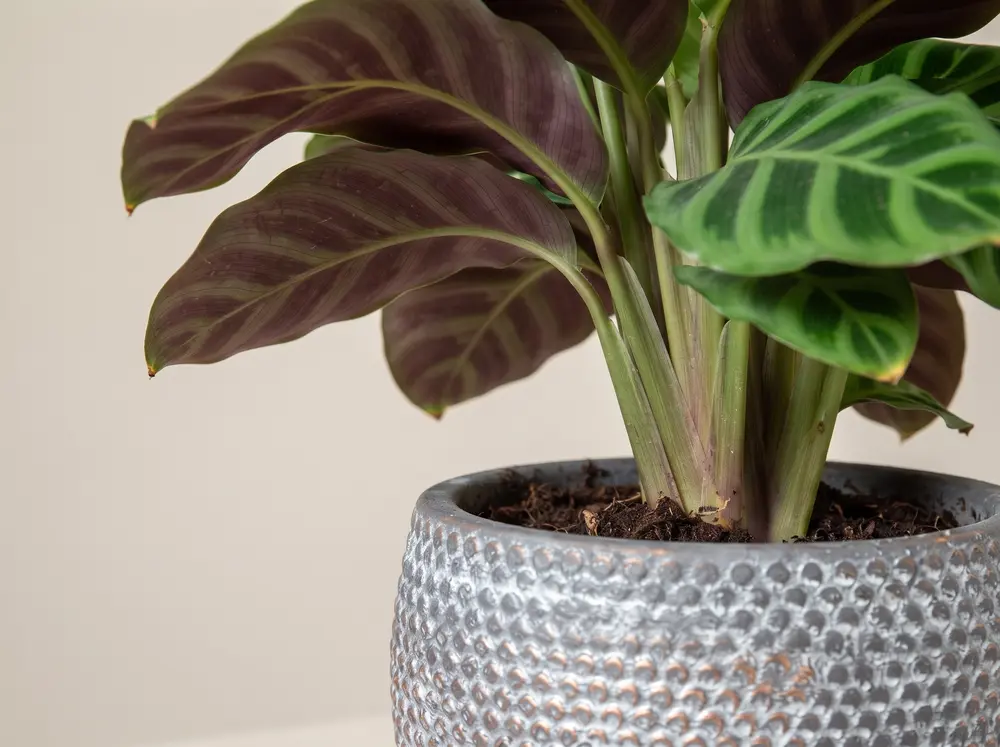
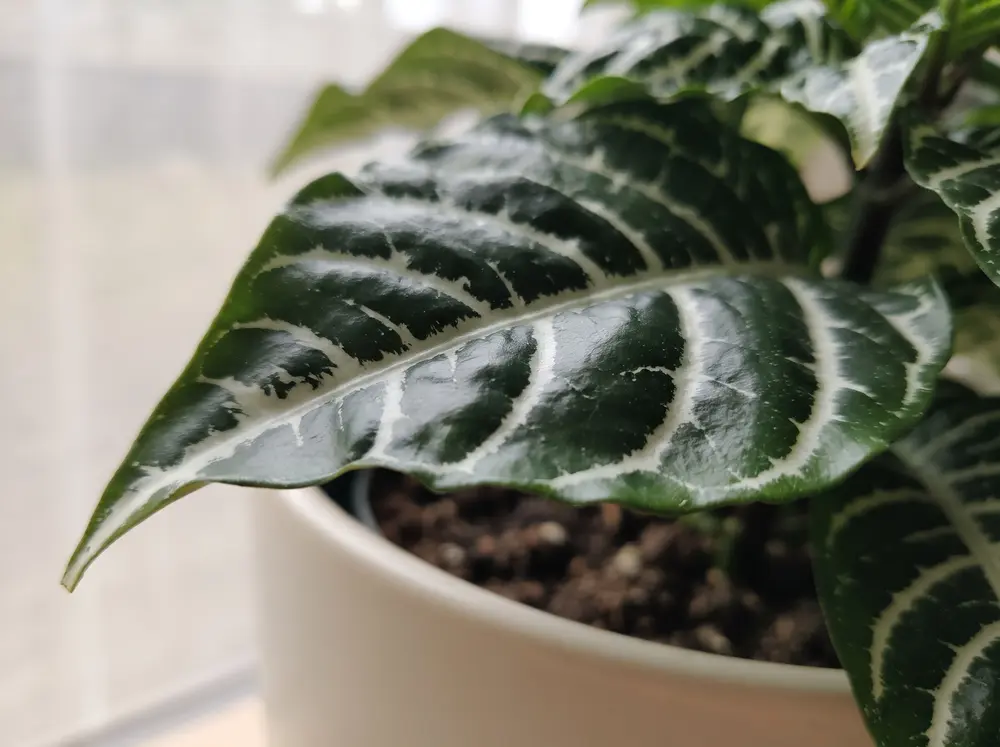
Calathea zebrina, better known as the zebra plant, is one of the most striking foliage plants you can bring indoors. Its velvety leaves are painted with alternating bands of light and dark green, giving them a soft, almost fabric-like texture that changes depending on how the light hits them. Like other members of the Marantaceae family, it also performs the nightly “prayer” movement, lifting and folding its leaves after dark and lowering them again in the morning a small daily show that makes it feel more like a companion than a decoration.
It also has a reputation for being fussy. That reputation isn’t entirely undeserved, but it’s often misunderstood. Zebra plant isn’t difficult because it needs rare conditions it’s difficult because it dislikes inconsistency. Once you set up the right environment and stop constantly adjusting things, it becomes surprisingly manageable.
Quick profile :
- Common name : Zebra plant
- Botanical name : Calathea zebrina (also classified as Goeppertia zebrina)
- Family : Marantaceae
- Plant type : Evergreen tropical perennial
- Mature size : Roughly 2–3 ft. tall and wide indoors
- Light : Bright, indirect
- Soil : Moisture-retentive but well-draining
- Native area : Tropical South America (Brazil)
- Toxicity : Considered non-toxic to cats and dogs
Calathea Zebrina Care
In its native habitat, this plant grows on the shaded forest floor beneath a dense canopy. That single fact explains nearly all of its care requirements : filtered light, warm air, consistent moisture, and high humidity. The closer you can get to that, the better it looks.
Light
Zebra plant wants bright, indirect light meaning a well-lit room where direct sunbeams never actually land on the foliage.
Where to place it :
- A few feet back from an east-facing window is often perfect.
- North-facing windows work well too, especially in warmer months.
- If your only option is a south or west window, position the plant several feet away or diffuse the light with a sheer curtain.
What goes wrong with light :
- Too much direct sun fades the striping, bleaches the leaves, and can burn dry patches into the foliage. Once that damage appears, it doesn’t heal.
- Too little light causes slow or stalled growth, smaller new leaves, and washed-out coloring. In deep shade, the plant simply stops producing new growth.
A useful indicator : if the leaf pattern looks dull and contrast is fading, the plant usually needs more light but gently, and moved gradually over a week or two rather than all at once.
Soil
The goal is a mix that stays evenly moist without turning into mud. Zebra plant hates drying out completely, but it hates suffocated roots even more.
A reliable mix :
- 2 parts quality peat- or coco-coir-based potting mix
- 1 part perlite or pumice for aeration
- 1 part fine orchid bark or coco chips for structure
This combination holds moisture in the fibers while still allowing air pockets around the roots. Avoid heavy garden soil and avoid dense, cheap potting mixes that compact into a solid block after a few waterings that’s a common hidden cause of decline.
Water
Watering is where most zebra plants are lost, usually in one of two directions.
The target : keep the soil lightly and evenly moist. Not wet, not dried out.
How to check properly :
- Push a finger about an inch or two into the mix. If it’s just beginning to feel dry at that depth, it’s time to water.
- Don’t wait until the pot is light and the soil has pulled away from the edges by then, the plant is already stressed.
How to water well :
- Water thoroughly until it flows from the drainage holes, which also flushes accumulated salts.
- Let it drain completely and never leave the pot standing in a saucer of water.
Water quality matters here. Calatheas are noticeably sensitive to fluoride, chlorine, and mineral salts. If you consistently get crispy brown edges despite good humidity and watering, your water is a likely culprit. Filtered water, distilled water, or collected rainwater usually produces visibly better leaves within a few months.
Seasonal adjustment: in winter, when light is weaker and growth slows, the soil dries more slowly. Water less often but still don’t let it fully dry out.
Temperature and Humidity
This is the make-or-break factor for zebra plant.
Temperature : Keep it between roughly 65°F and 80°F. Avoid anything below 60°F, and protect it from cold drafts, chilly window glass in winter, and blasts from heating or air conditioning vents. Sudden temperature swings cause leaf damage faster than almost anything else.
Humidity : Aim for 55–60% or higher. Below about 40%, you’ll start seeing crisping edges and curled leaves no matter how carefully you water.
What actually raises humidity :
- A humidifier is by far the most effective solution and the one worth investing in.
- Grouping plants together creates a genuinely more humid pocket of air.
- A closed-ish space like a bathroom with good light, or a plant cabinet, works very well.
What doesn’t really work :
- Misting It raises humidity for a few minutes at most, and leaving water sitting on velvety leaves can encourage spotting.
- Pebble trays provide only a marginal effect in dry rooms better than nothing, but not a substitute for a humidifier.
Fertilizer
Zebra plant is a light feeder and is easily burned by excess fertilizer, which shows up as brown, scorched leaf margins.
A safe approach :
- Feed monthly during spring and summer with a balanced liquid houseplant fertilizer diluted to quarter or half strength.
- Always water first, then fertilize never apply to dry soil.
- Skip feeding entirely in fall and winter unless the plant is under grow lights and actively pushing new leaves.
If your plant looks stalled, check light, humidity, and root health before reaching for fertilizer. Nutrition is rarely the actual limiting factor with this species.
Propagating Calathea Zebrina
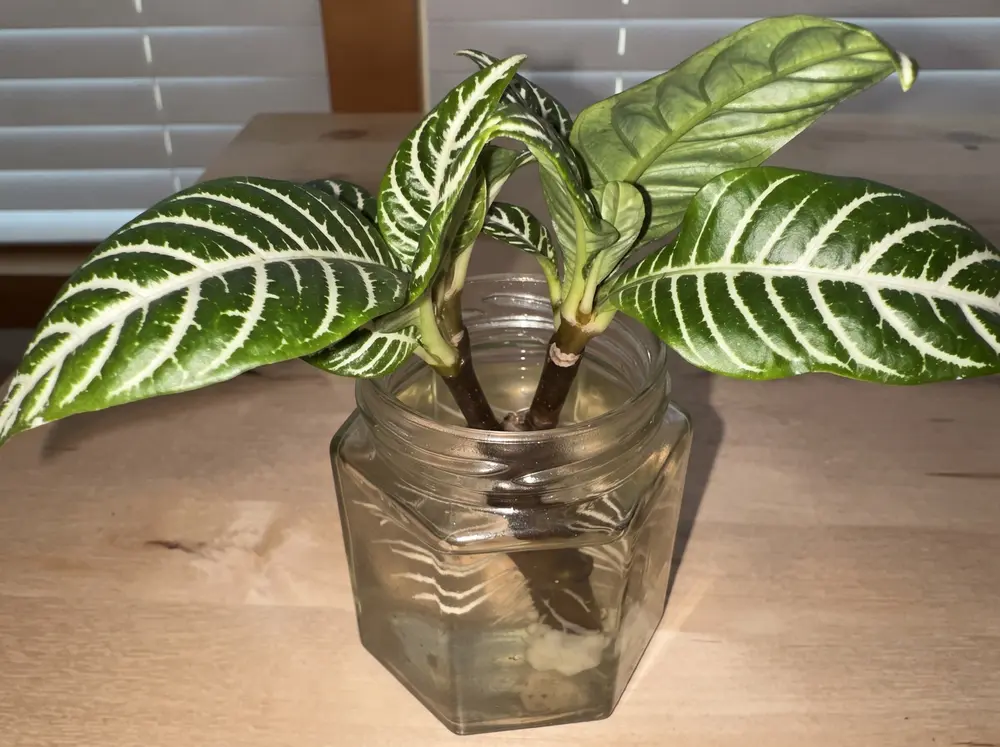
Division is the only practical method for home growers. Zebra plant grows from an underground rhizome and produces new leaf clusters at the base those clusters are what you separate.
Best timing : Late spring through early summer, when the plant is actively growing and will recover fastest.
Steps :
- Water the plant a day before Hydrated roots handle disturbance far better than dry, brittle ones.
- Slide the plant out of its pot and gently loosen the root ball with your fingers so you can see where separate clumps emerge.
- Identify natural divisions Each section should have its own healthy roots and at least two or three established leaves. Weak, rootless pieces rarely survive.
- Separate gently Tease clumps apart by hand when possible. Use a clean, sharp blade only where rhizomes are genuinely fused.
- Pot each division into fresh mix at the same depth it was growing before, in a pot sized snugly to its roots.
- Water in and provide a recovery period Place divisions in warm, bright indirect light with elevated humidity. A loose clear bag or propagation box for the first one to two weeks dramatically improves success rates just open it daily for airflow.
Expect a sulking period. Divisions often droop for a week or two before adjusting. New growth is your confirmation that the division took.
Zebra plant grows slowly and generally needs repotting only every two to three years, or when the mix has degraded.
Signs it’s time :
- Roots circling the inside of the pot or emerging from drainage holes
- Water rushing straight through with little absorption
- Soil that stays wet for far too long because it has broken down and compacted
- Growth that has stalled despite good light and consistent care
Choosing a pot :
- Always use a pot with drainage holes.
- Go up only 1–2 inches in diameter. Oversized pots hold excess wet soil the roots can’t use, which is a direct path to rot.
- Plastic or glazed ceramic suits this plant better than terracotta, which wicks moisture away faster than a calathea prefers.
How to repot :
Ease the plant out, gently remove some of the loose old mix without aggressively stripping the roots, and settle it into fresh mix at the same soil level as before. Don’t compress the soil hard firm it lightly and let watering settle the rest. Water thoroughly afterward and hold off on fertilizer for about a month.
Common Problems With Calathea Zebrina
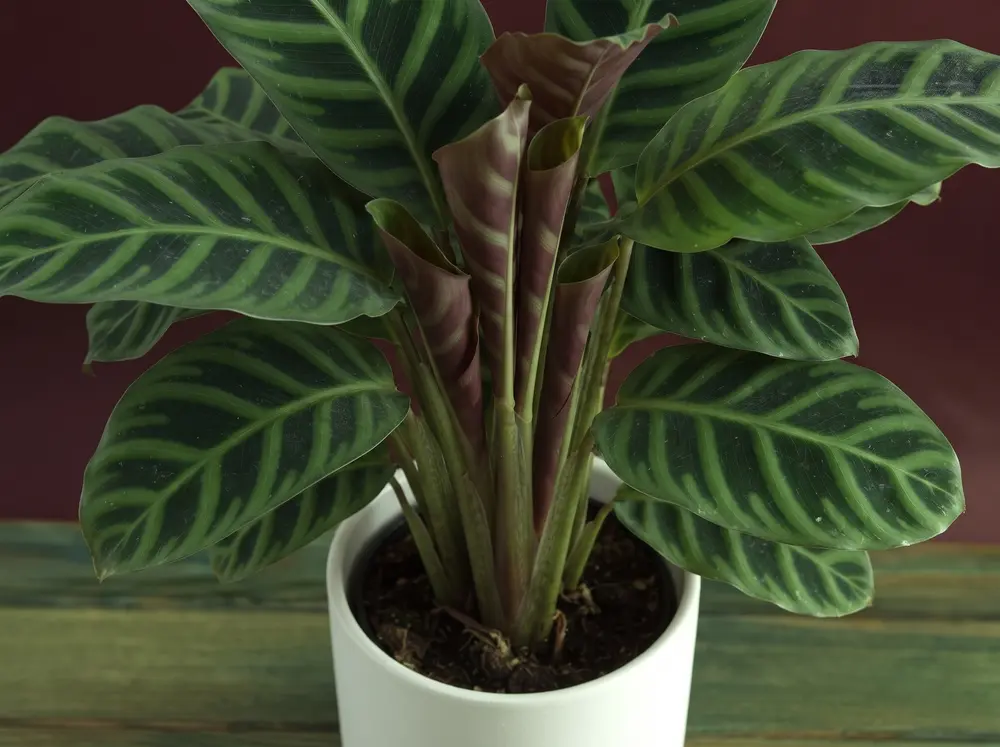
Zebra plant communicates clearly. Learning to read its leaves saves a lot of guesswork.
Brown, crispy leaf edges
The single most common complaint. Usually caused by :
- Humidity that’s too low
- Inconsistent watering, especially letting the pot dry out fully
- Mineral or fluoride buildup from tap water
- Excess fertilizer
What to do : Raise humidity first that solves the majority of cases. Then switch to filtered or distilled water and flush the pot thoroughly to remove accumulated salts. You can trim brown edges with clean scissors, following the natural leaf shape, but understand that trimming is cosmetic. The cause has to be fixed or new leaves will crisp too.
Curling leaves
Curling is the plant’s way of reducing water loss. It signals thirst, low humidity, or heat stress sometimes all three.
Check the soil at depth. If it’s dry, water thoroughly and the leaves should relax within a day. If the soil is damp and leaves are still curling, look for a nearby heat vent, a dry draft, or root problems.
Drooping stems and soft, mushy bases
This points to overwatering and possible root rot. Act quickly.
Unpot the plant and inspect the roots. Healthy roots are firm and pale; rotted roots are dark, soft, and may smell sour. Trim away all damaged tissue with sterilized snips, then repot into fresh, airier mix in a pot matched to the remaining root mass. Water sparingly until you see recovery.
Yellowing leaves
Occasional yellowing of the oldest, lowest leaves is normal aging. Widespread yellowing usually means the soil is staying too wet or drainage is poor.
Faded striping and dull color
Almost always a light issue. Move the plant to a brighter spot with indirect light, increasing exposure gradually over a week or two to avoid shock.
Spider mites
Dry indoor air makes zebra plants a favorite target. Watch for fine stippling, dull leaves, and delicate webbing where leaves meet stems. Isolate the plant immediately, rinse the foliage thoroughly (including undersides), and treat with insecticidal soap or horticultural oil weekly for at least three rounds one treatment never clears them, since eggs hatch later. Raising humidity also makes the environment far less hospitable to mites.
Frequently Asked Questions
How fast does Calathea zebrina grow ?
Slowly and steadily. In good conditions it produces a handful of new leaves each growing season and typically needs repotting only every two to three years. If it’s producing nothing at all, light is usually the limiting factor.
Should I mist my zebra plant daily ?
No. Misting raises humidity only briefly and can leave water sitting on the velvety leaf surface, which encourages spotting. A humidifier, plant grouping, or a naturally humid room delivers far better results.
Is Calathea zebrina hard to grow ?
It’s demanding rather than difficult. It needs warmth, humidity, filtered light, and consistent moisture but once those conditions are stable, it’s not a plant that requires constant fussing. Most failures come from repeatedly changing its environment.
Is zebra plant safe around pets ?
Calathea zebrina is generally listed as non-toxic to cats and dogs, which makes it a good choice for pet households. Still, discourage chewing any plant material can upset an animal’s stomach.
Why do the leaves move at night ?
It’s called nyctinasty. Specialized cells at the base of each leaf stem shift water pressure in response to light changes, raising the leaves in the evening and lowering them in the morning. Healthy movement is actually a good sign a plant that stops moving is often stressed.