10 Tall Low-Light Houseplants That Actually Work Indoors (Plus How to Keep Them Growing, Not Just Surviving)
By David Sullivan | Published on June 14, 2026
Key Takeaways
- “Low light” does not mean “no light” If you can’t comfortably read during the day without turning on a lamp, plan on using a grow light for best results.
- In lower light, tall plants use water slowly so the biggest mistake is watering on a schedule.
- Choose plants that keep their shape in shade (Dracaena, palms, ZZ, snake plant), and expect slower growth than you’d see in brighter rooms.
In This Article
What “Low Light” Really Means Indoors
A room can feel bright to your eyes and still be low-light for plants.
Use this fast test at the spot where the plant will live :
- Bright indirect light : you get a clear shadow with soft edges.
- Low light : the shadow is faint and blurry.
- Very low light : you barely see a shadow at all.
Important : Tall “low-light” plants will look best if they’re still within a reasonable distance of a window (or supported by a grow light). Low light is “less” not “none”
The 3 Rules for Success With Tall Plants in Dim Rooms
1) Water less often than you think
Low light = slower photosynthesis = slower water use. Let the soil dry more between waterings, especially for drought-tolerant plants like ZZ and snake plant.
2) Rotate your plant weekly
Tall plants lean toward windows. A quarter-turn every week keeps growth more even and prevents the “one-sided tree” look.
3) Match the pot + soil to the light
In low light, a dense mix stays wet too long. Use a well-draining potting mix, a pot with drainage holes, and avoid oversizing the container (oversized pots are a common root-rot trigger).
10 Tall Low-Light Houseplants (That Still Look Great)
1) Corn Plant (Dracaena fragrans)
Why it works : Upright canes, tough leaves, and good tolerance for medium-to-lower indoor light.
- Indoor height : often 4–6 ft (can be taller with time)
- Light : low to bright indirect (grows faster in brighter light)
- Water : let the top few inches dry; don’t keep constantly damp
- Good for : corners, offices, bedrooms
- Pet note : toxic if chewed (cats/dogs)
2) Dragon Tree (Dracaena marginata / similar Dracaena types)
Why it works : Keeps a clean silhouette and handles missed waterings better than many “tree” houseplants.
- Indoor height : commonly 3–6 ft
- Light : low to bright indirect
- Water : allow partial dry-down; reduce watering in winter
- Tip : if lower leaves drop steadily, reassess watering (often too wet)
- Pet note : toxic to pets
3) Kentia Palm (Howea forsteriana)
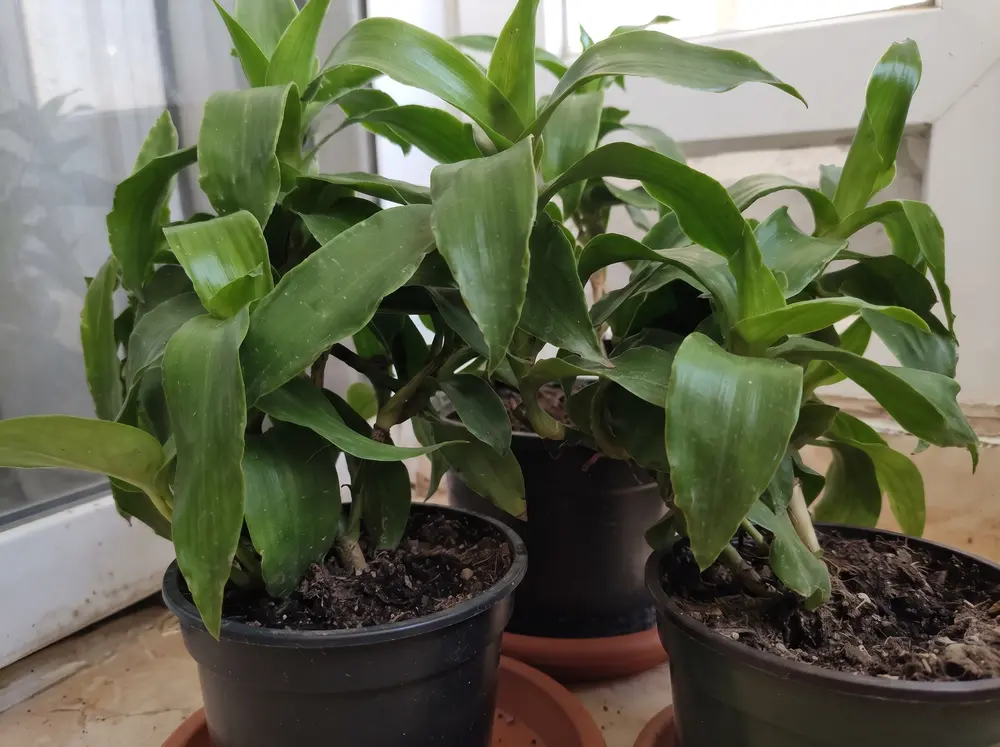
Why it works: One of the best palms for indoor life more shade-tolerant and elegant than many other palm options.
- Indoor height : 6–10 ft (slow-growing)
- Light : medium to low; avoid harsh direct sun
- Water : when top 2 inches dry; don’t let it sit wet
- Bonus : generally considered pet-friendlier than many common houseplants
4) Parlor Palm (Chamaedorea elegans)
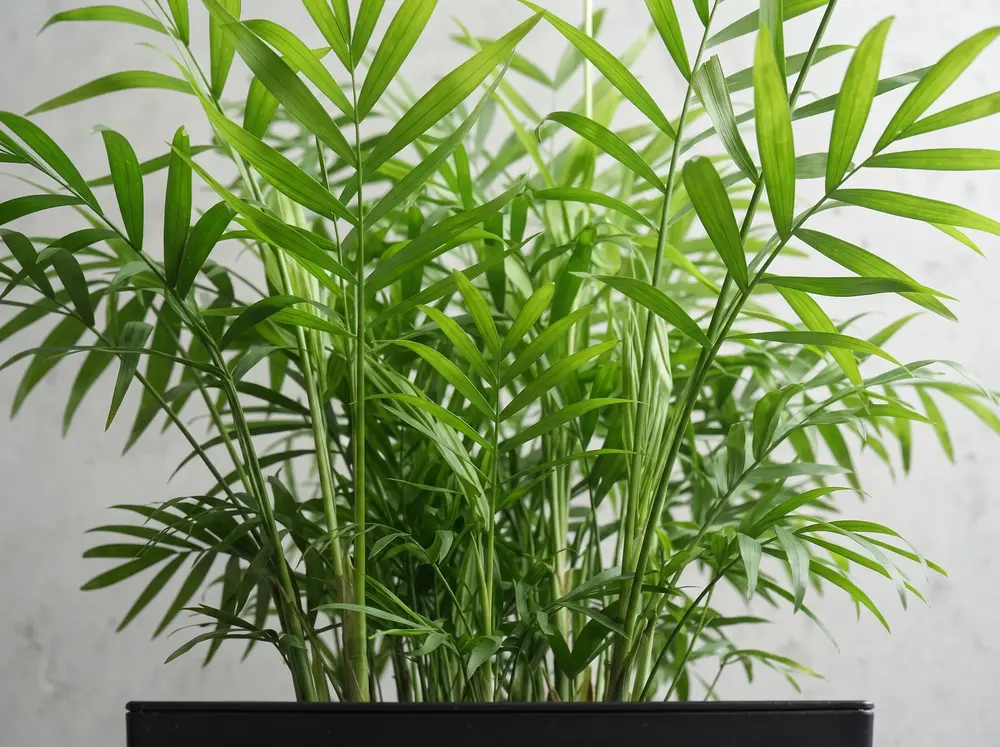
Why it works : Classic low-light palm with a softer, fuller look great “instant jungle” texture.
- Indoor height : typically 2–6 ft (slow)
- Light : low to medium (tolerates shade well)
- Water : lightly moist but not soggy; let the surface dry slightly
- Tip : brown tips often point to dry air, salts, or inconsistent watering
5) Lady Palm (Rhapis excelsa)
Why it works : A truly strong low-light pick that still looks premium and architectural.
- Indoor height : often 4–8 ft
- Light : low to medium; bright indirect is ideal
- Water : when the top 2 inches dry
- Tip : expensive upfront, but long-lived and forgiving
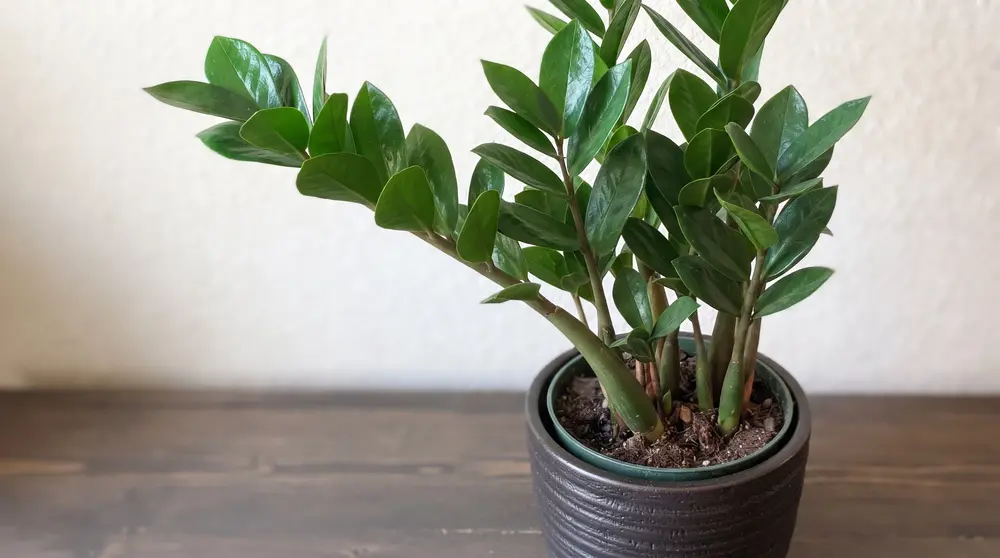
6) ZZ Plant (Zamioculcas zamiifolia)
Why it works : Probably the best “I might forget you exist” plant that still looks polished.
- Indoor height : commonly 2–4 ft (slow)
- Light : low to bright indirect
- Water : let soil dry out most of the way before watering again
- Tip : dull leaves are usually dust wipe with a damp cloth
- Pet note : toxic if chewed (pets/people)
7) Snake Plant (Dracaena trifasciata / Sansevieria)
Why it works : Upright, sculptural, and extremely tolerant of low light just don’t overwater.
- Indoor height : typically 2–4+ ft depending on variety
- Light : low to bright indirect (tolerates some sun if acclimated)
- Water : only when soil is fully dry
- Pet note : toxic to pets
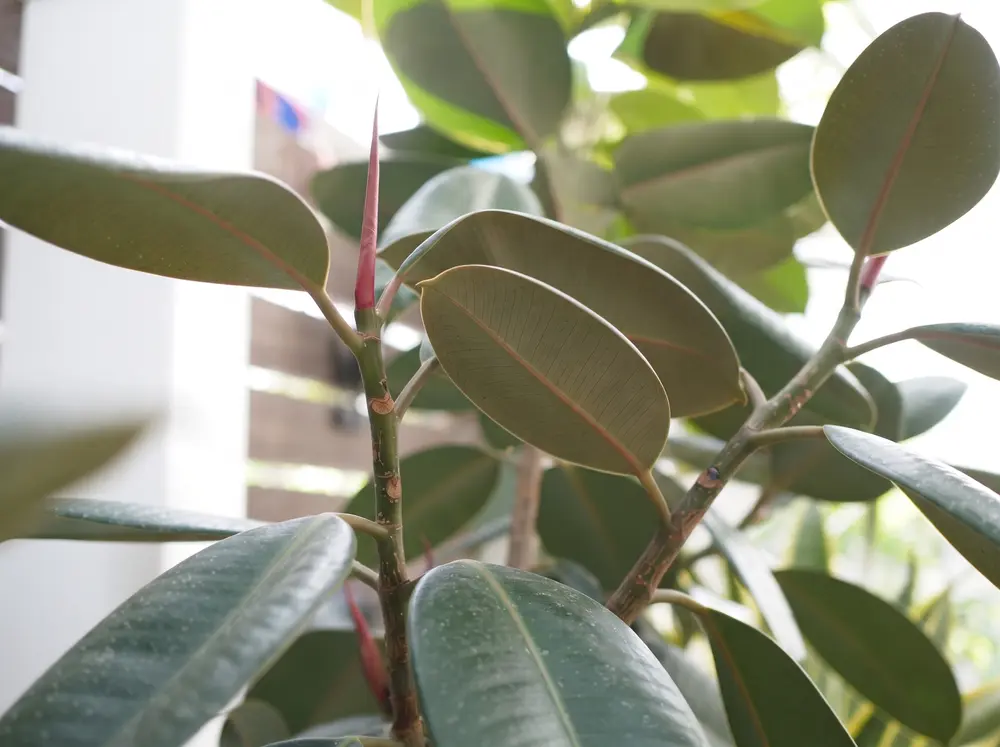
8) Rubber Plant (Ficus elastica)
Why it works : Big-leaf drama in a tree form tolerates lower light better than many ficus, but needs some brightness to stay dense.
- Indoor height : 4–8 ft indoors (with pruning)
- Light : medium to bright indirect; will tolerate lower light with slower growth
- Water : when top 2 inches dry
- Tip : rotate often; prune to encourage branching
- Pet note : toxic to pets
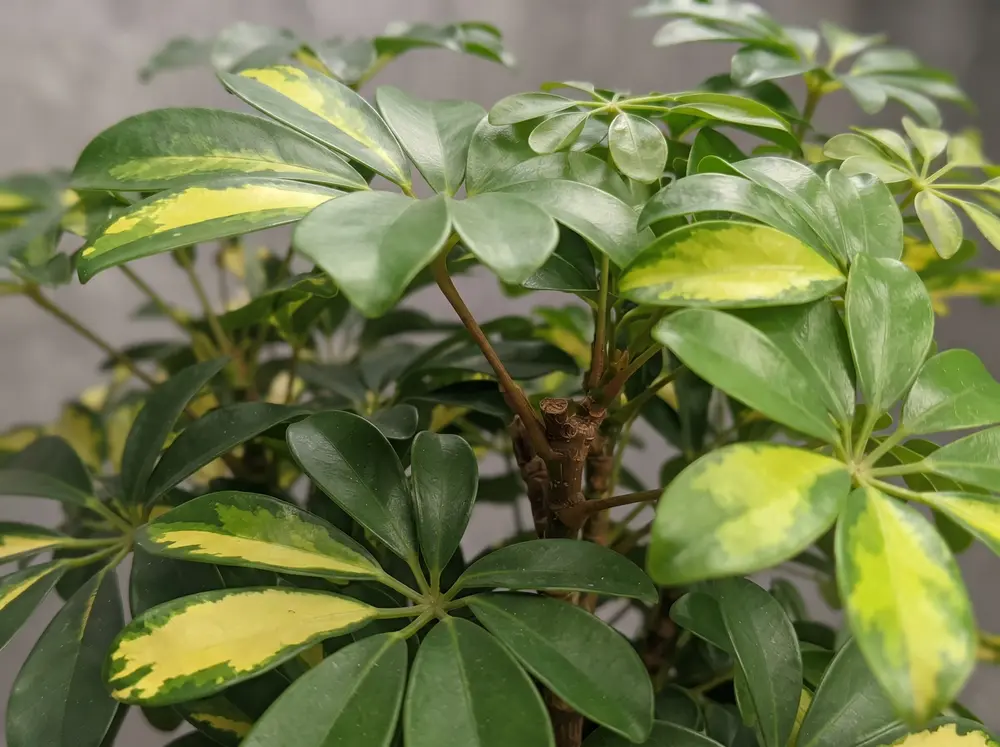
9) Umbrella Tree (Schefflera arboricola)
Why it works : Fast-growing in good conditions and can become a real indoor “tree” In low light it survives, but needs management to avoid legginess.
- Indoor height : 5–10 ft with time
- Light : medium to bright indirect; tolerates low light but stretches
- Water : allow partial dry-down; avoid waterlogged soil
- Tip : pinch/prune to keep it bushy
- Pet note : toxic to pets
10) Pothos Trained Up a Pole (Epipremnum aureum)
Why it works : If you want “tall” without buying a tree, train pothos upward it tolerates low light and still looks lush.
- Indoor height : 6–10+ ft when trained
- Light : low to bright indirect
- Water : when top 2 inches dry
- How to make it look tall : use a moss pole or coir pole; secure vines with soft ties
- Pet note : toxic to pets
Quick Troubleshooting (Tall Low-Light Plants)
- Plant is leaning : rotate weekly; move slightly closer to the window; consider a grow light in winter.
- Long, sparse growth (“leggy”) : not enough light prune back and increase light gradually.
- Yellow leaves + wet soil : classic overwatering/low-light combo let soil dry more and verify drainage.
- Brown tips (especially palms/dracaena) : salts or inconsistent watering flush the pot occasionally, water more evenly, and keep away from heating vents.
FAQs
Can these plants live in a room with no windows ?
Not long-term without help. If there’s no natural light, use a grow light on a timer (even a simple setup can make a big difference).
Which is the single best tall plant for low light ?
For “set it and forget it”: ZZ plant or snake plant. For a true tall statement: kentia palm or dracaena.
Why do low-light plants grow so slowly ?
Less light means less energy for the plant. Slow growth is normal focus on steady health, not speed.