Best Indoor Plants for Bathrooms : Low-Maintenance & Humidity-Loving
By David Sullivan | Published on June 26, 2026
Key Takeaways
- The best bathroom plants enjoy humidity, but they still need two non-negotiables : some light and pots that drain
- Bathrooms create “humidity spikes” (steam after showers), so choose plants that like moisture without needing soggy soil and run the exhaust fan for airflow.
- If your bathroom has no window, pick true low-light tolerant plants or add a small grow light; otherwise growth will be slow no matter what you buy.
In This Article
Bathrooms can feel sterile hard surfaces, white tile, bright fixtures so adding a plant instantly makes the room feel warmer and more lived-in. The catch is that bathrooms are a weird environment for houseplants : humidity rises and falls quickly, temperatures swing, and light is often limited. The good news is there are plenty of plants that don’t just “tolerate” bathrooms… they genuinely like them.
Below are moisture-loving bathroom plants that do well in typical bathroom conditions, plus practical placement tips so they stay healthy instead of turning into a moldy science experiment.
How to Choose Bathroom Plants (Light + Humidity + Airflow)
Before you shop, take 60 seconds to assess your space :
- If you can comfortably read without turning on a light during the day, you likely have enough light for many bathroom plants.
- If you always need the light on, treat it like a low-light room and choose plants accordingly or plan for a grow light.
Humidity is the obvious advantage of bathrooms, but airflow is the part people miss. Constantly damp leaves with no air movement can invite leaf spotting and mildew, even on “humidity lovers” If you shower daily, run the exhaust fan for a bit afterward or crack the door your plants will thank you.
Also : use containers with drainage holes whenever possible. Humidity is great; waterlogged soil is not.
The Best Houseplants for Bathrooms (They Handle Steam and Lower Light)
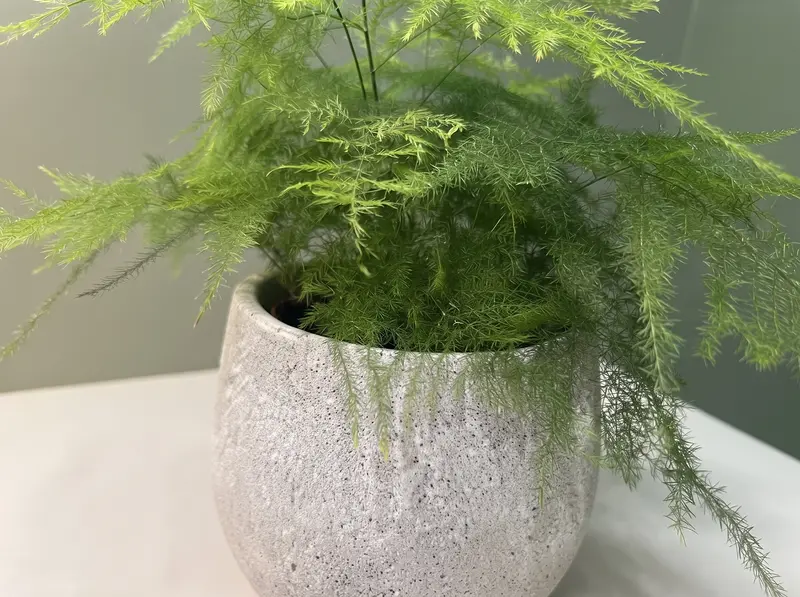
Asparagus fern
This plant looks soft and feathery, and it appreciates bathroom humidity. It can work beautifully on a shelf near a window where it gets bright, indirect light. A heads-up: despite the delicate look, it can have prickly stems, and it’s not a good choice for homes with curious pets or kids that like to grab foliage.
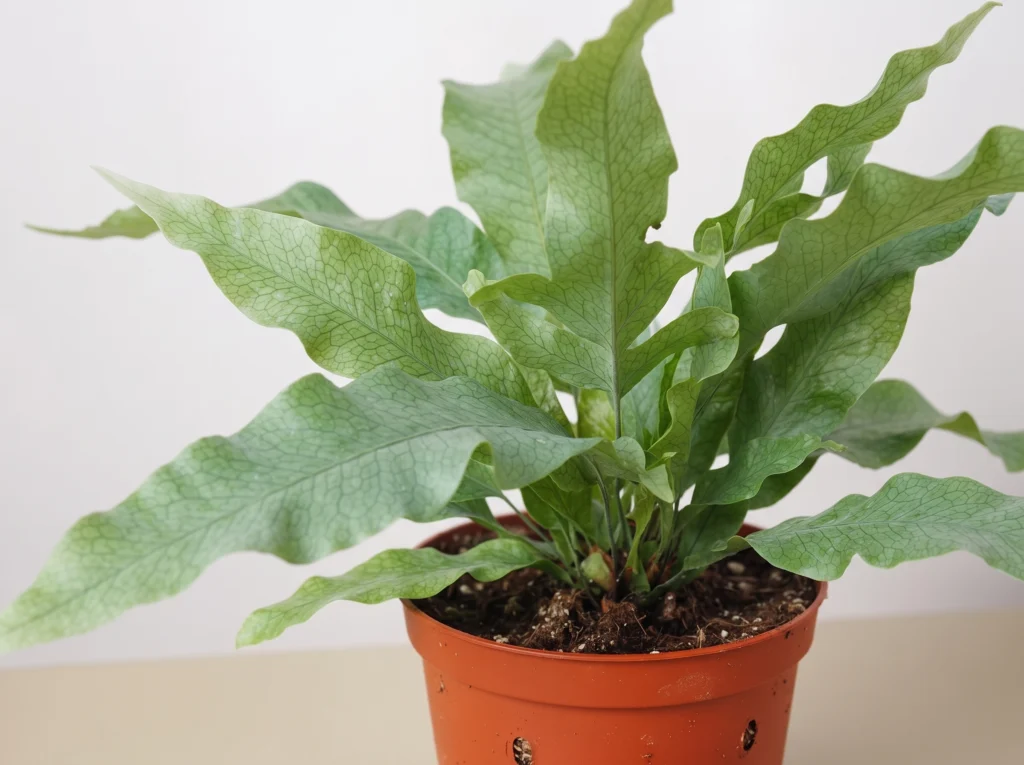
Boston fern
Boston fern is a classic bathroom plant for a reason humidity helps keep its fronds full instead of crispy. Give it medium to bright indirect light, keep the soil lightly moist, and avoid placing it directly in the path of a heating vent or strong AC draft. If it drops leaves or browns fast, it usually needs either more consistent moisture or more humidity.
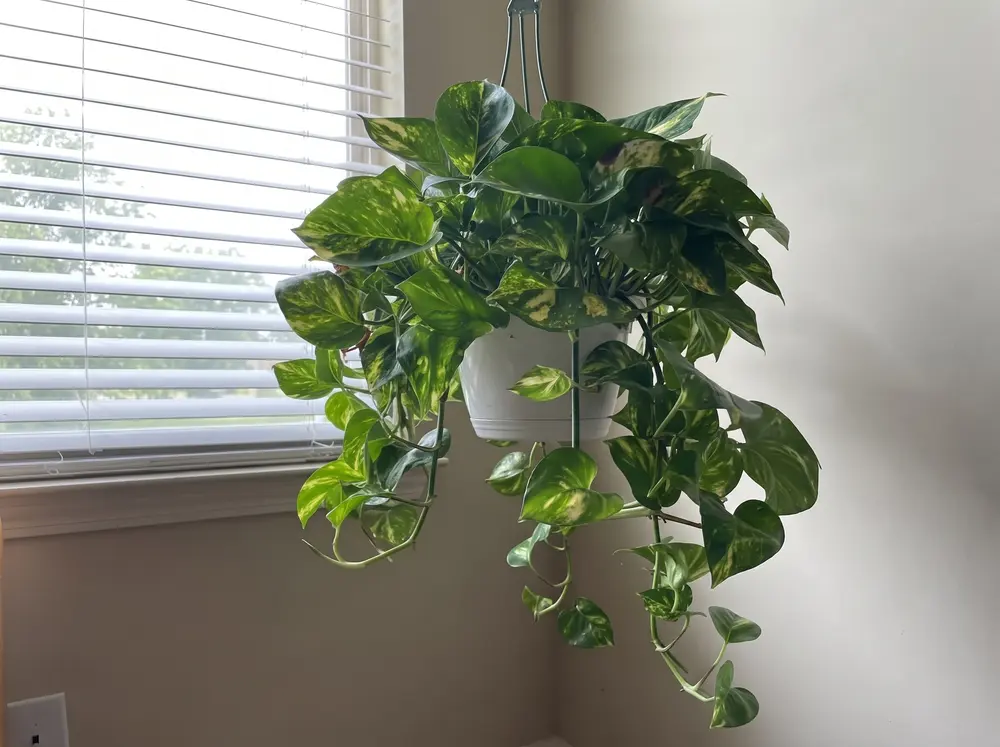
Pothos
Pothos is one of the most forgiving plants you can put in a bathroom, especially if light is limited. It trails nicely from shelves, tolerates missed waterings, and handles humidity well. Let the top couple inches of soil dry before watering again. If you want it fuller (not just long vines), trim it back occasionally.
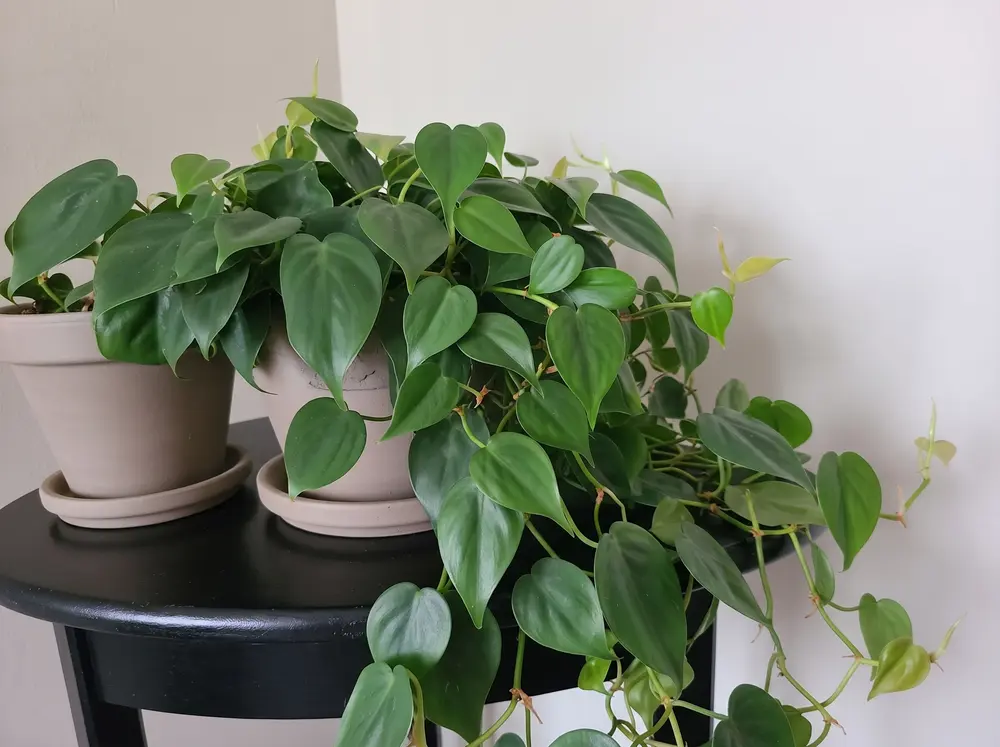
Heartleaf philodendron
Similar to pothos but with a softer, heart-shaped leaf look, philodendron is another bathroom-friendly trailing plant. It likes consistent warmth and medium to bright indirect light, but it can tolerate lower light. If it starts growing “all stem, few leaves” it’s asking for more light.
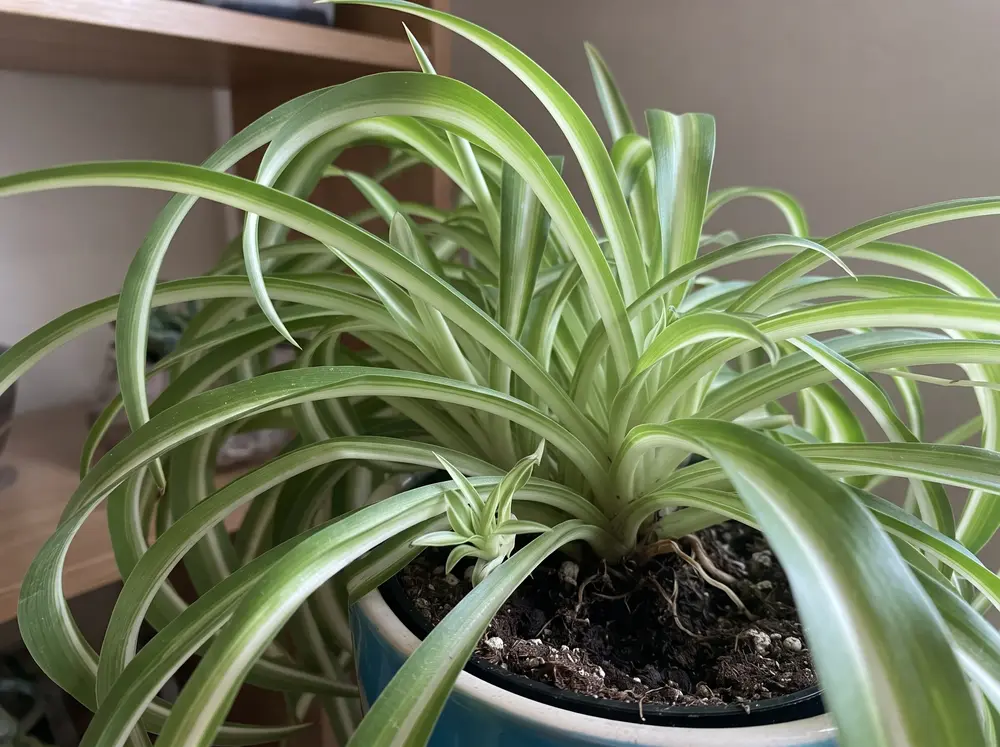
Spider plant
Spider plants do well in bathrooms with decent indirect light, and they’re great for hanging because they produce “baby” plantlets that trail down. They like evenly moist soil but don’t want to sit soggy. If tips brown, it’s often mineral buildup or inconsistent watering flushing the pot occasionally can help.
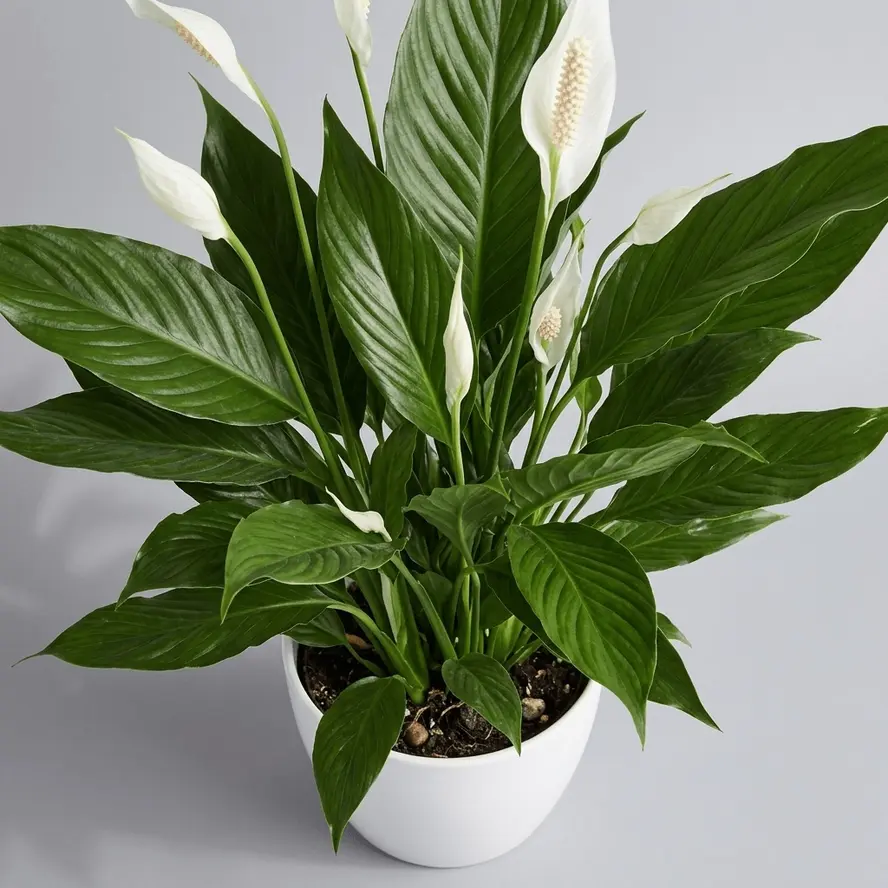
Peace lily
Peace lilies appreciate humidity and can handle lower light better than many flowering houseplants. They’re also excellent at telling you when they’re thirsty: they droop noticeably, then rebound after watering. Keep the soil lightly moist and avoid leaving it bone dry for long stretches. If you want blooms, give it brighter indirect light.
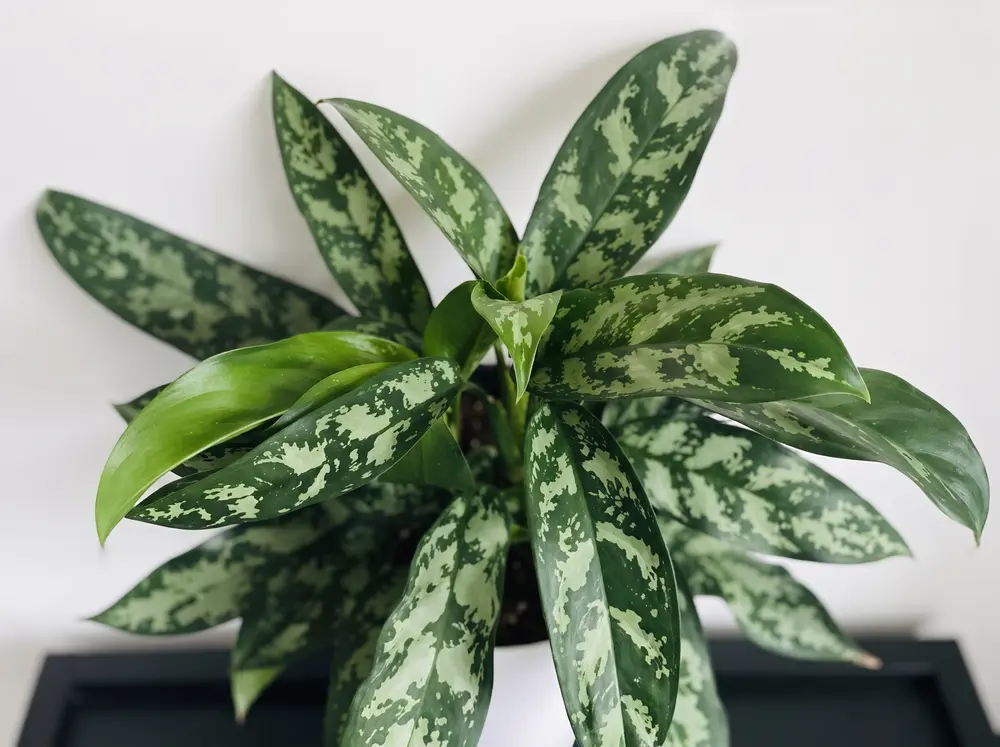
Chinese evergreen (Aglaonema)
If your bathroom is on the darker side, Chinese evergreen is one of the most reliable options. It tolerates low to medium light, doesn’t demand constant watering, and looks “decorator neat” in a pot. Humidity is a bonus, but it doesn’t require a rainforest to stay happy.
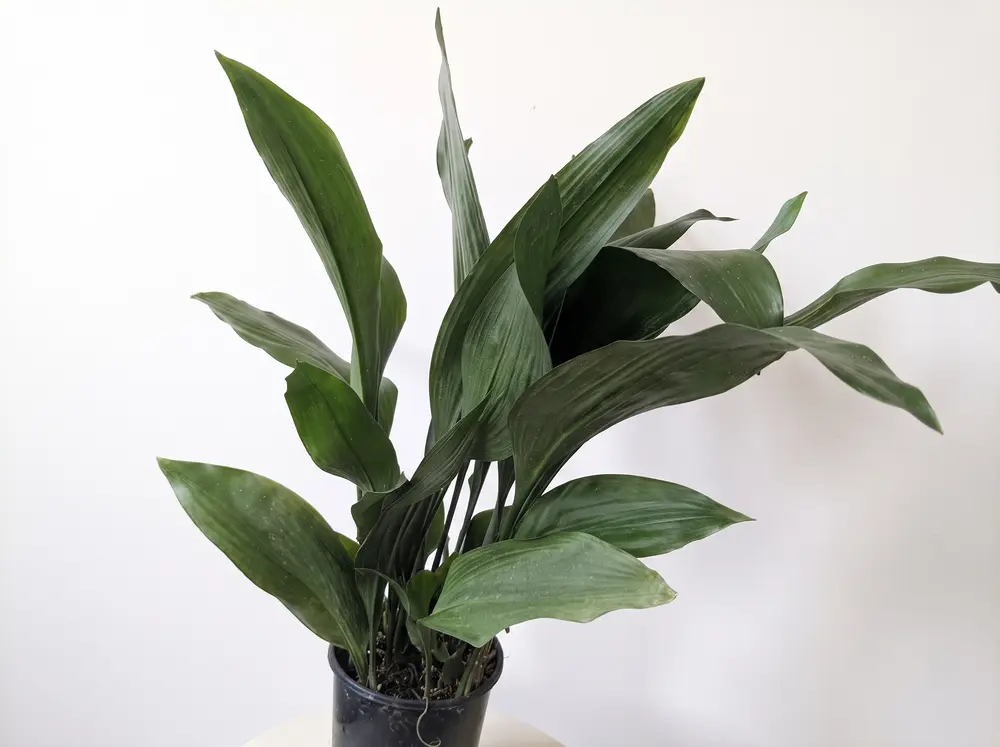
Cast-iron plant
For guest bathrooms that aren’t used often or bathrooms with very low light cast-iron plant is one of the toughest, most patient choices. It’s slow-growing, sturdy, and not easily stressed by imperfect care. Water when the pot has dried partly, and don’t overdo it.
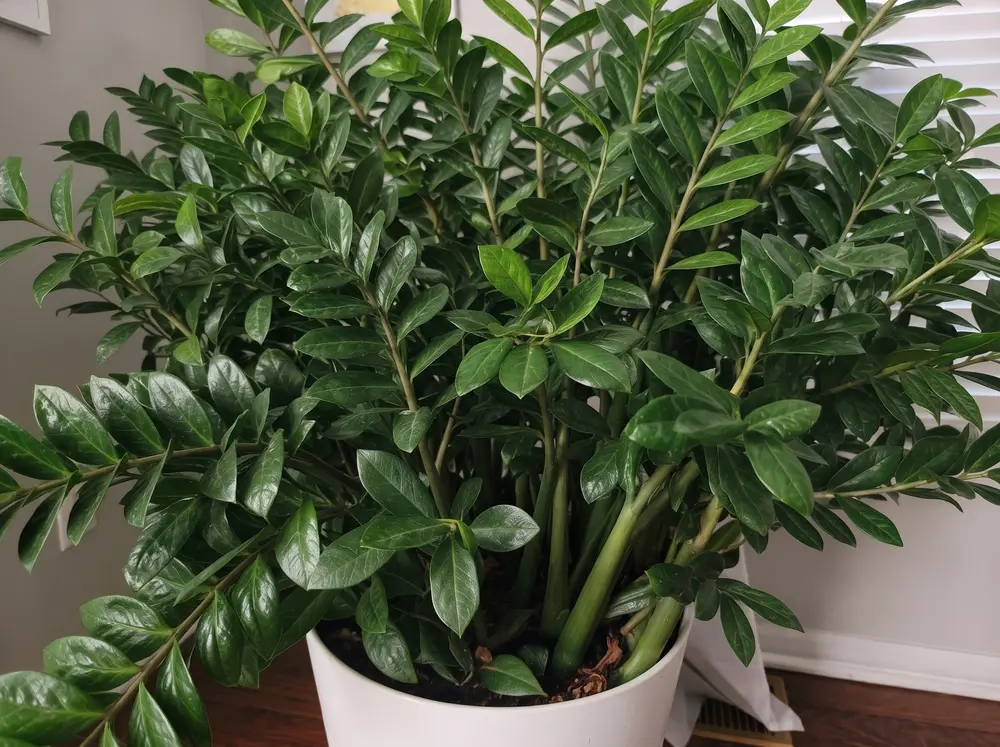
ZZ plant
ZZ plant is ideal if you want something that survives low light and forgetful watering. It doesn’t need humidity, but it won’t complain about it either. In a bathroom with little light, it will grow slowly, which is often exactly what you want in a small space.
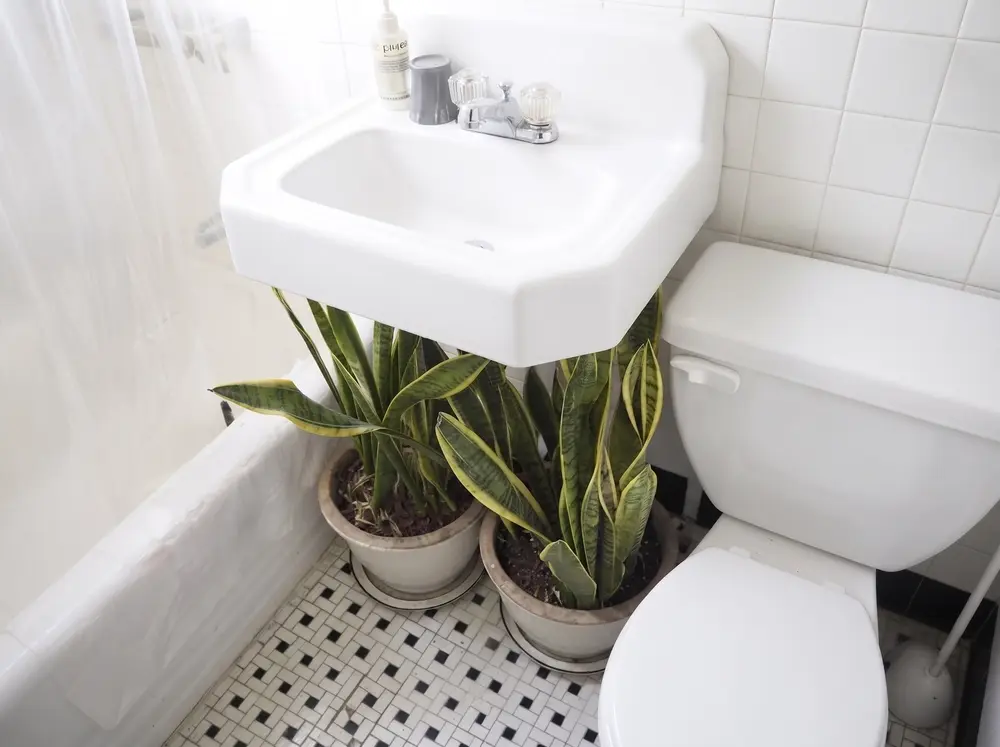
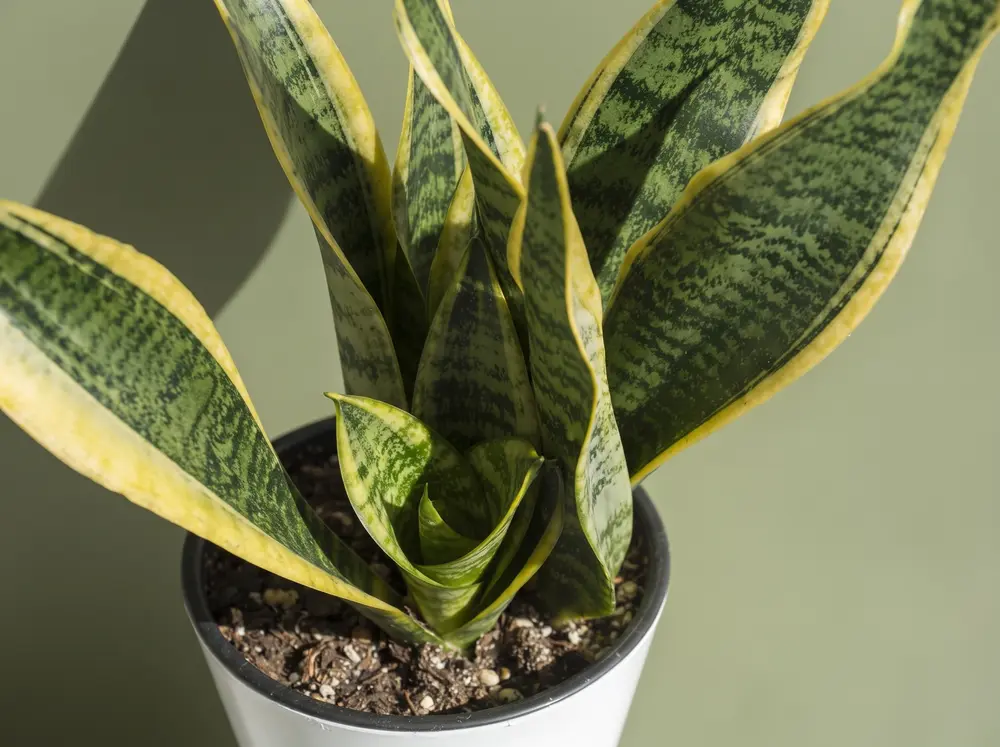
Snake plant
Snake plants are excellent for bathrooms because they’re upright (small footprint) and low-maintenance. They tolerate lower light, but like most plants, they look best with brighter indirect light. The key is watering: let the soil dry fully before watering again.
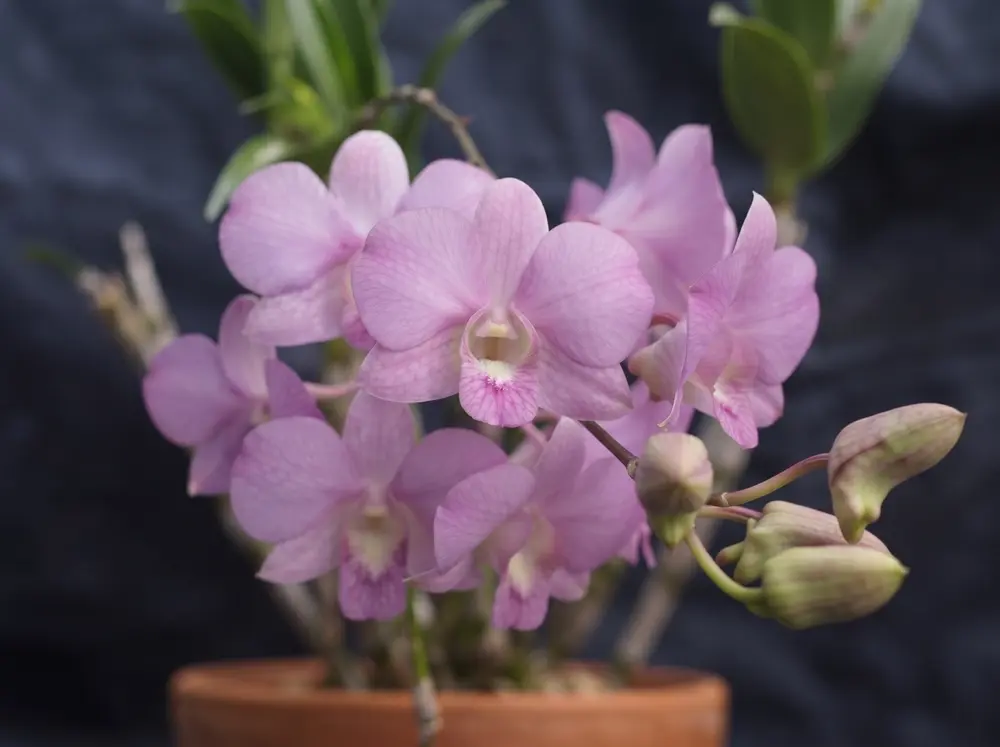
Orchids (especially moth orchids)
Bathrooms can be fantastic for orchids if there’s a window or bright indirect light. Many orchids appreciate the humidity, but they also need air around their roots. Use an orchid bark mix, water only when the medium is nearly dry, and avoid letting water sit in the crown of the plant.
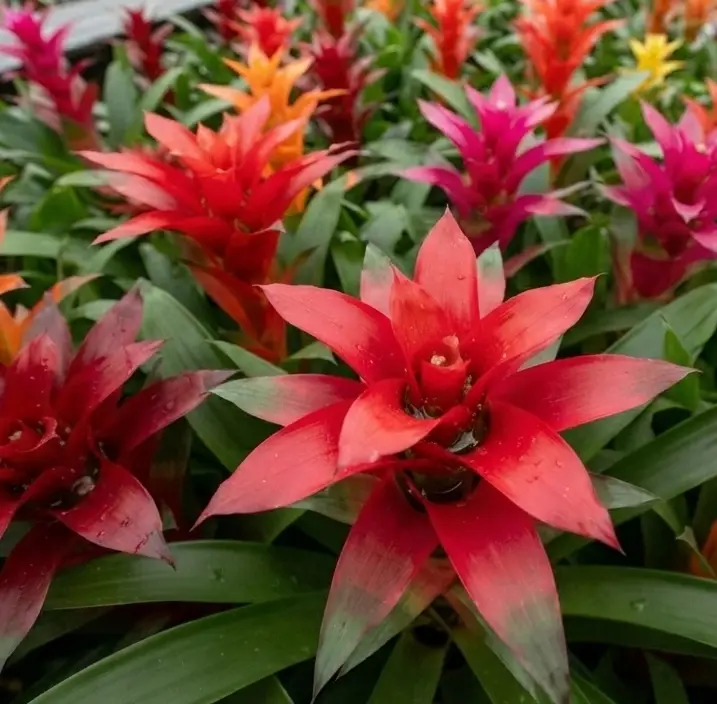
Bromeliads
Bromeliads bring color and structure and often do well in humid rooms. Many types prefer bright, indirect light and good airflow. If you keep one, learn whether your specific bromeliad likes water in its central “cup” or prefers drier conditions care can vary by type.
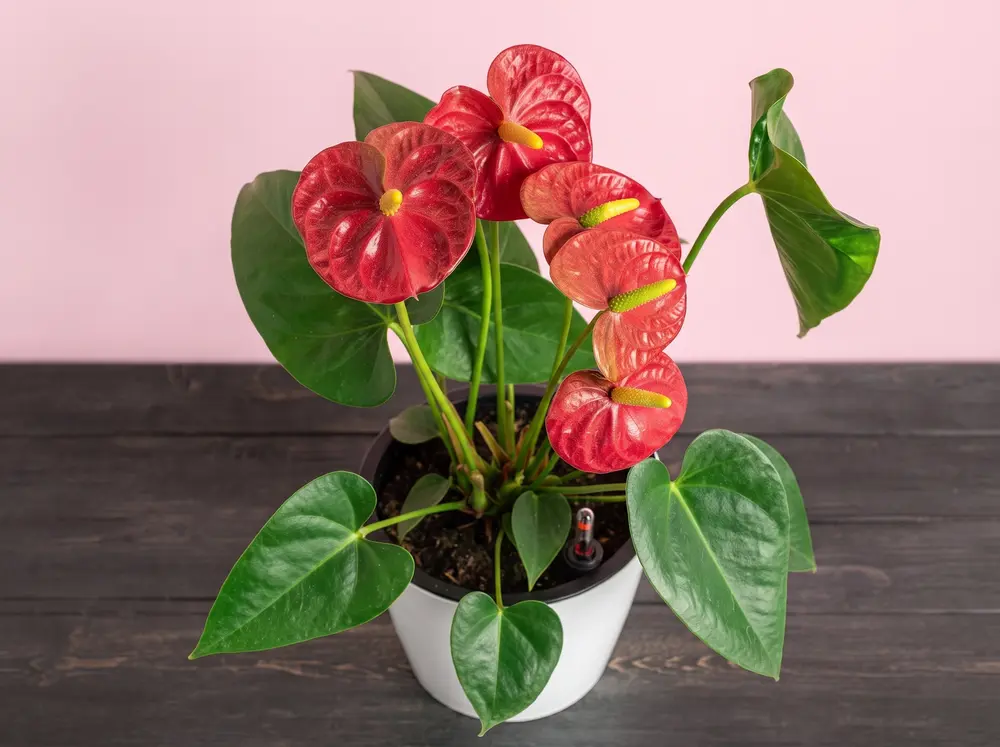
Anthurium
Anthuriums love humidity and look polished year-round with glossy leaves and long-lasting blooms. They do need brighter indirect light than many people expect, so they’re best in bathrooms with a window. Keep soil lightly moist but never waterlogged.
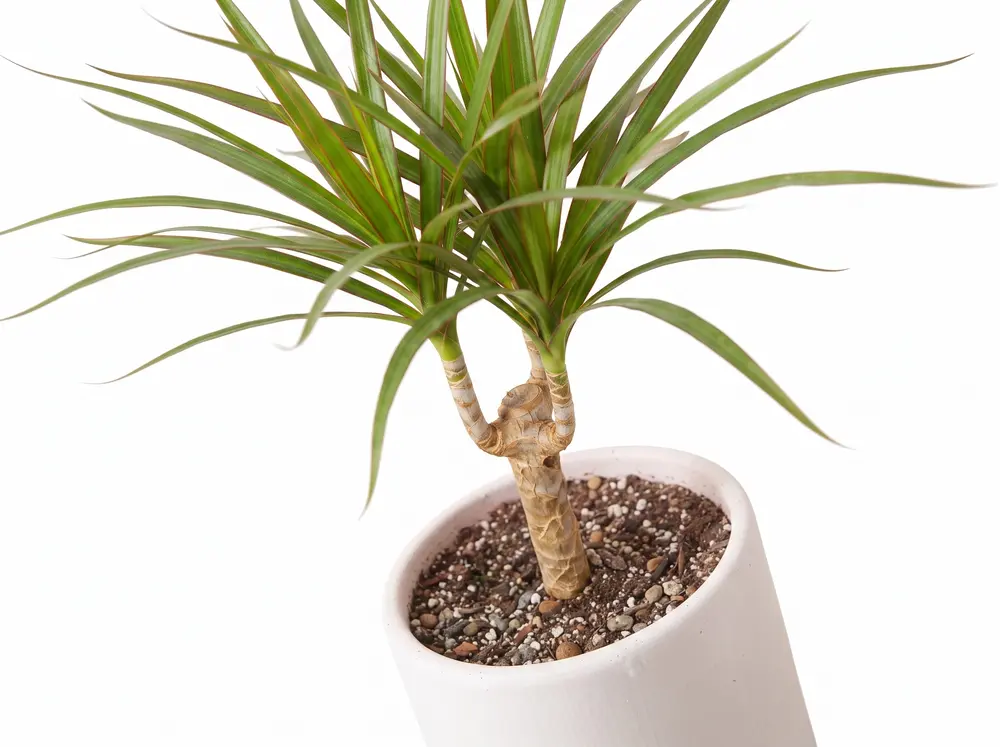
Dracaena (dragon tree types)
Dracaenas handle the warm, indoor conditions of bathrooms well, especially with medium indirect light. They don’t need constant moisture, so they’re good if you want a plant that’s not dramatic about watering. Keep away from strong drafts and don’t let the pot stay wet for days.
Where to Put Them (Shower vs Shelf vs Vanity)
Bathrooms usually have three plant zones :
- Near a window (bright indirect light) : best for orchids, anthurium, bromeliads, bird’s nest fern, and fuller ferns.
- Shelves and hooks (medium light, humidity boost) : pothos, philodendron, spider plant these look great trailing down.
- Back corners / windowless bathrooms (low light) : ZZ plant, snake plant, cast-iron plant, Chinese evergreen. If the bathroom truly has no natural light, consider a small grow light on a timer so plants don’t slowly decline.
If you place plants in or near the shower, choose ones that can handle splashes and steam but don’t assume “more water is better” Most houseplants still want their soil to drain and breathe.
Common Bathroom Plant Problems (and Quick Fixes)
- Moldy soil surface : usually the mix is staying too wet and airflow is low. Water less often, increase ventilation, and consider refreshing the top inch of soil.
- Crispy brown tips (especially ferns/spider plant) : inconsistent watering, mineral buildup, or a plant too close to a vent. Keep moisture steadier and flush the pot occasionally.
- Yellow leaves + soggy soil : classic overwatering. Let it dry more between waterings and confirm the pot drains.
- Leggy vines : not enough light. Move closer to the window or add a grow light.
FAQ
What plant absorbs moisture in a bathroom ?
Many plants enjoy bathroom humidity and can benefit from it, especially ferns, peace lilies, pothos, orchids, spider plants, and some dracaenas. The main advantage is that humidity helps prevent crispy edges and supports healthier growth not that the plant “dehumidifies” the room like a machine.
Should I put my bathroom plants in the shower ?
Only if the plant can handle splashes and the light is adequate. Steam is helpful, but constant soaking isn’t. Keep pots draining well and don’t let water sit in saucers.
Are there plants that can survive in a bathroom without windows ?
Yes, but growth will be slow. Good options include ZZ plant, snake plant, cast-iron plant, and Chinese evergreen. For the best long-term results, use a small grow light on a timer.